Co-Dependent Individuals: Neuroscience and Psychology

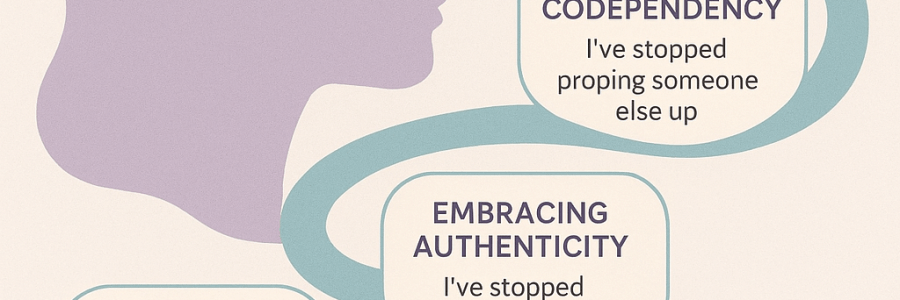
Co-dependency refers to a pattern where an individual consistently prioritizes others’ needs over their own, often to the point of emotional, psychological, or even physical detriment. It’s commonly observed in relationships with emotionally unavailable, abusive, or high-conflict partners. 1. Brain Mechanisms in Co-Dependency A. Reward System Dysregulation Helping or “fixing” others releases dopamine, reinforcing self-sacrificing patterns.… Read More Co-Dependent Individuals: Neuroscience and Psychology
Social Circle Curator: Keep, Cultivate, or Remove

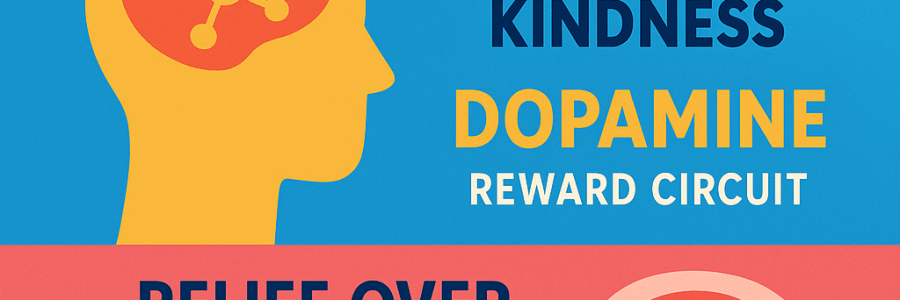
Category Description Neuroscience / Psychology Impact Action Keep People who consistently demonstrate kindness, respect, reliability, and emotional intelligence. Activates reward pathways (dopamine), oxytocin bonding, reduces cortisol (stress), reinforces healthy attachment circuits. Maintain regular interaction, express gratitude, and strengthen mutual support. Cultivate Individuals who are promising but inconsistent or developing in maturity, empathy, or trustworthiness. Potentially… Read More Social Circle Curator: Keep, Cultivate, or Remove

Why Healthy Relationships Matter

Surrounding yourself with healthy, supportive, and inspiring people is one of the most powerful ways to protect your emotional well-being, reinforce positive habits, and create resilience against toxic or dark-trait individuals. Here’s a breakdown of why and how to do it effectively: 1. Why Healthy Relationships Matter Neuroscience Perspective Mirror neurons: When you’re around people who are… Read More Why Healthy Relationships Matter

Neuroscience-Informed Trauma Bond Resistance: Overview

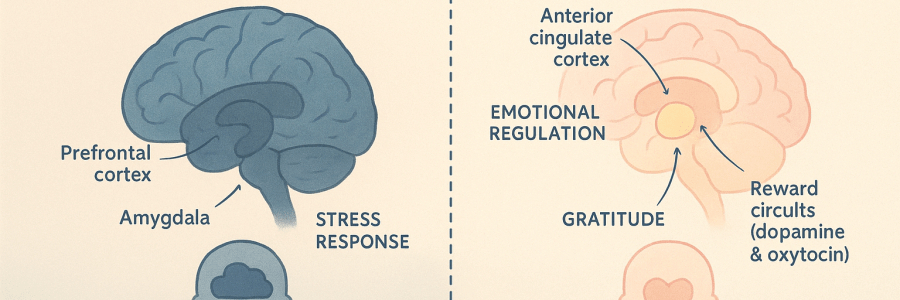
Key Concepts / Mechanisms Practical Implications Neurobiology of Trauma Bonds Explains how the brain forms strong attachments even in harmful relationships. – Dopamine system (nucleus accumbens): reward spikes during intermittent affection.– Oxytocin system: strengthens bonding, trust, and attachment.– Amygdala & HPA axis:hyperarousal, fear, and stress responses.– Prefrontal cortex suppression:rational decision-making is reduced during emotional manipulation. – Recognize neurochemical dependence.– Understand physiological… Read More Neuroscience-Informed Trauma Bond Resistance: Overview

Neuroscience-Informed Guide to Trauma-Bond Resistance

1. Understanding the Neurobiology of Trauma Bonds Trauma bonds form when intermittent reinforcement (alternating kindness and abuse) hijacks the brain’s reward and stress systems: Dopamine system (nucleus accumbens): activates during rewarding interactions; intermittent rewards spike craving for the relationship. Oxytocin system: promotes bonding and trust; even abusive partners trigger attachment circuits. Amygdala and hypothalamic-pituitary-adrenal (HPA) axis: high… Read More Neuroscience-Informed Guide to Trauma-Bond Resistance

Spotting and Exiting High-Risk Relationships

START│▼Step 1: Initial Observation Notice unusual charm, flattery, or love-bombing? Frequent contradictions in stories or promises?│├─ YES → Step 2└─ NO → Continue cautious observation Step 2: Red Flag Assessment Attempts to isolate you from friends/family? Chronic manipulation or gaslighting? Consistent disregard for boundaries?│├─ YES → Step 3└─ NO → Monitor behavior; maintain boundaries Step… Read More Spotting and Exiting High-Risk Relationships

Behavioral Indicators

Avoiding or protecting yourself from individuals with dark-triad traits (Machiavellianism, psychopathy, narcissism) or related traits like sadism involves a combination of psychological awareness, boundary-setting, and behavioral strategies. Here’s a thorough, neuroscience-informed guide: 1. Recognize Early Red Flags Behavioral Indicators Excessive charm or flattery early on (love-bombing) Rapid declarations of affection or intense bonding Frequent lying or stories that… Read More Behavioral Indicators

Forensic Psychological Explanation: Interaction Between Dark-Trait Individuals and Empathetic Persons

1. Introduction This report summarizes the interaction patterns between individuals exhibiting dark personality traits (Sadism, Machiavellianism, Psychopathy, Narcissism) and highly empathetic or conscientious partners. The purpose is to explain the mechanisms of attraction, behavioral influence, and potential emotional harm in a way suitable for legal review, psychological evaluation, or expert testimony. 2. Core Concepts Concept… Read More Forensic Psychological Explanation: Interaction Between Dark-Trait Individuals and Empathetic Persons

Why Dark-Trait Individuals Seek Out Empathic, Strong, Caring People

This is the other half of the equation, and it’s backed by research. 1. They Target Those Who Are Empathically Generous From a Machiavellian/sadistic/psychopathic perspective, the ideal partner is someone who: forgives easily explains instead of confronts takes responsibility for others’ emotions doubts themselves before others wants to fix, not abandon responds to guilt/shame This makes… Read More Why Dark-Trait Individuals Seek Out Empathic, Strong, Caring People

Why Empathetic, Kind, High-Integrity People Are Attracted to These Types

This is not a flaw.It’s predictable based on psychological and neurological dynamics. 1. Complementary Wiring (Neuroscience) Dark-trait individuals tend to have: Low emotional empathy (reduced anterior insula activation) Low guilt/fear signals (blunted amygdala) High reward when dominating (nucleus accumbens activation) Empathetic individuals tend to have: High emotional empathy (strong insula activation) High sensitivity to others’ suffering Strong reward response to bonding and fixing (oxytocin… Read More Why Empathetic, Kind, High-Integrity People Are Attracted to These Types