Why Highly Trusting People Are the Way They Are — Neuroscience Perspective

1. Your Brain Is Wired for Warmth, Not Suspicion Many trusting individuals have stronger activity in neural systems associated with: ⭐ Ventromedial Prefrontal Cortex (vmPFC) Responsible for: empathy moral reasoning perceiving others as “basically good” giving the benefit of the doubt This creates a natural optimistic bias, making you more likely to assume honesty, kindness, and… Read More Why Highly Trusting People Are the Way They Are — Neuroscience Perspective

Comparison Chart: Healthy Partner vs. The Man Who Never Learned

Category Healthy Partner The Man Who Never Learned Self-Awareness Reflective, open to feedback, adjusts behaviour when shown impact. Believes he is “always right,” immune to evidence, feedback bounces off like rain on a waxed car. Listening Skills Actively listens, asks questions, remembers what matters. Does not listen, does not observe, does not ask, does not… Read More Comparison Chart: Healthy Partner vs. The Man Who Never Learned

The Neuroscience of Delusion

It’s honestly hilarious when someone lives so deep inside their own fantasy bubble that they genuinely believe you’ll never leave them…unless, of course, “you have someone else.” That’s not logic — that’s projection.They judge you entirely by their own standards. After all, this is the same brain that once berated the ex-wife for “going off with someone else,”while also announcing: “I have… Read More The Neuroscience of Delusion

Living My Best Life — With a Special Person in the Background

After leaving chaos, drama, and the emotional equivalent of a full-time unpaid counselling job, something unexpected happened: I started living my best life. Not the Instagram version with green juices and yoga on cliffs —the REAL version: laughing freely, sleeping deeply, choosing my own dinner, walking around the house without worrying about someone’s mood swings.… Read More Living My Best Life — With a Special Person in the Background

I Left My Abusive Husband Over a Year Ago — And Honestly, I’ve Never Had This Much Fun in Decades

Leaving an abusive man is a bit like taking off a pair of shoes that never fit:you don’t realise how much they were cutting off your circulation until your toes start dancing again. For years, I lived in a world where joy was rationed, laughter was suspicious, and fun was only allowed if it made… Read More I Left My Abusive Husband Over a Year Ago — And Honestly, I’ve Never Had This Much Fun in Decades

Chronic Denial

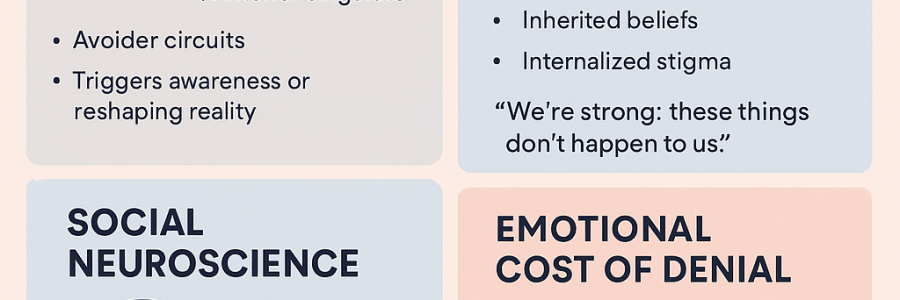
Here is a clear, neuroscience‑grounded explanation of what happens in the brain when someone lives in constant denial, grandiosity, entitlement, and reality‑distortion, especially with beliefs like: “They will never leave me.” “Everyone loves me.” “I can do no wrong.” “I am always right.” “Don’t tell me anything I don’t want to hear.” This pattern has predictable neural and psychological… Read More Chronic Denial

Catastrophic Thoughts and the Brain

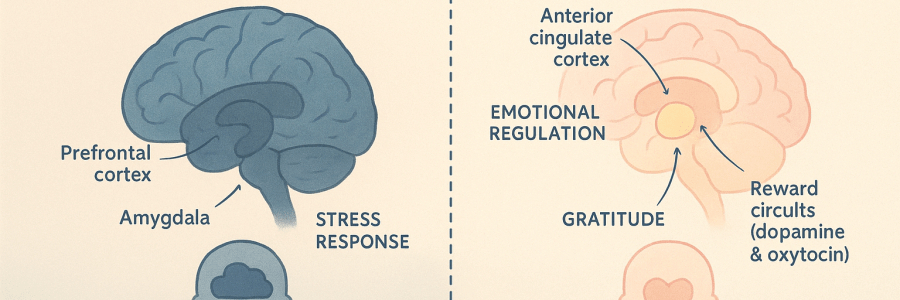
Catastrophic thoughts are repetitive, exaggerated, or fear-driven thoughts about worst-case scenarios. While they don’t cause physical disease, they reorganize neural circuits over time, shaping emotional responses, behavior, and perception. 1. Brain Regions Involved Brain Region Role in Catastrophic Thinking Effects Amygdala Threat detection and fear response Hyperactivation leads to anxiety, hypervigilance, exaggerated fear Hippocampus Memory formation and context… Read More Catastrophic Thoughts and the Brain