Neurodivergence 

Here’s a clear, structured breakdown of neurodivergence, especially in the context of trauma, abuse, and systems of harassment or coercion: 1. Definition Neurodivergence is a term that describes variations in the human brain and nervous system that affect: How a person thinks How a person processes information How a person experiences emotion, sensory input, and social interactions Common examples include:… Read More Neurodivergence 

Common misconception

Common misconception that women gaining independence “causes” more men to be gay. Sexual orientation isn’t determined by social dynamics or women’s autonomy. But let’s break it down with nuance and some neuroscience / sociological perspective: 1. Sexual Orientation Is Biological & Complex Research shows that sexual orientation is influenced by genetics, prenatal environment, hormone exposure, and brain structure.… Read More Common misconception

The Tipping Point for Gray Divorce: A Neuroscience Perspective

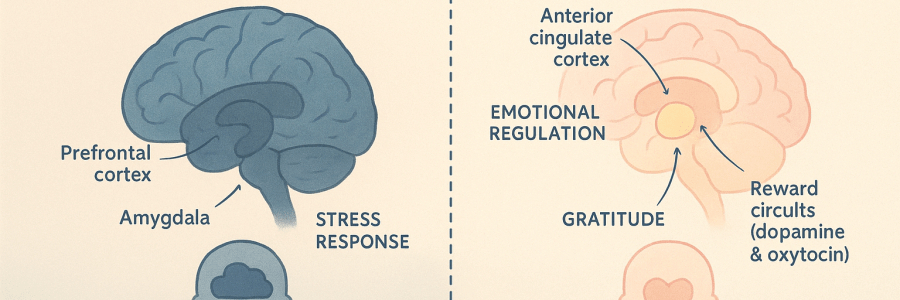
Gray divorce doesn’t happen overnight. It’s the result of decades of subtle nervous system stress, combined with newfound autonomy and awareness. Neuroscience helps explain why midlife often becomes the tipping point. 1. Chronic Limbic Stress Reaches Capacity Years of criticism, neglect, or emotional unavailability activate the amygdala, the brain’s threat detector. Constant stress keeps cortisol elevated, creating hypervigilance,… Read More The Tipping Point for Gray Divorce: A Neuroscience Perspective

Gray Divorce: Why Women Are Walking Away After Decades

Divorce rates are decreasing for younger couples. Overall, fewer people are divorcing. Yet there is one group bucking the trend: people over 50, married 20–30+ years — often called “gray divorce.” And here’s the pattern: Women are filing. After decades of marriage, after raising children and building a family, women are choosing to leave. Why Now? Neuroscience Explains… Read More Gray Divorce: Why Women Are Walking Away After Decades

The Nervous System Was Never Broken — It Was Overridden

And once you stop overriding yourself, the truth no longer needs a spokesperson. It simply appears. The Nervous System Was Never Broken — It Was Overridden Abuse does not succeed because the survivor is weak, naïve, or damaged. It succeeds because the nervous system is systematically overridden. From a neuroscience perspective, this is not a failure… Read More The Nervous System Was Never Broken — It Was Overridden