Normal Anger vs Abusive Behavior
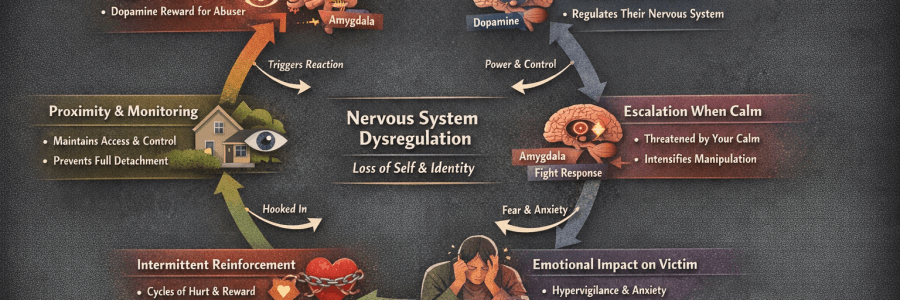
Aspect Normal Anger Abusive Behavior (Physical / Psychological) Trigger Situational frustration, specific problem Attempts to control, intimidate, or dominate others Expression Shouting, tense, short-term upset, cools down Yelling, insults, threats, manipulation, or physical harm Duration Temporary, resolves after conflict Persistent, ongoing, patterns of abuse Impact on Others May annoy or upset others, but respects boundaries… Read More Normal Anger vs Abusive Behavior

Normal vs Dark Triad Behavior Warning Signs

Behavior / Trait Normal / Healthy Dark Triad / Warning Signs Self-interest Healthy ambition, takes care of own needs without harming others Extreme selfishness, disregards others’ needs, exploitative Empathy Can understand and respond to others’ feelings Lack of empathy, dismissive of others’ emotions, manipulative Anger / Aggression Occasional frustration, resolves conflicts constructively Frequent hostility, abusive,… Read More Normal vs Dark Triad Behavior Warning Signs

Dark Behavior Brain

Antisocial, greedy, abusive, violent, mean, negative, controlling behaviors—are often signs of deeper psychological and neurological patterns, not just “bad behavior.” Let’s break it down clearly: 1️⃣ Possible Personality Patterns Disregard for others’ rights, manipulative, aggressive, sometimes criminal behavior. Often linked to impulsivity, lack of empathy, and disregard for rules. Extreme self-centeredness, controlling behavior, seeking power or attention.… Read More Dark Behavior Brain

Lazy vs Brain Adaptation vs Disorder

Lazy vs Brain Adaptation vs Disorder Cheat Sheet Trait / Behavior Likely Cause Notes Scruffy appearance / poor hygiene Brain adaptation / learned habits Often linked to low motivation from early trauma, depression, or neglect. Not just laziness. Lack of ambition / no goals Brain adaptation / environment Prefrontal cortex underdevelopment or learned helplessness can… Read More Lazy vs Brain Adaptation vs Disorder

Epigenetics: How Life Can Change the Brain and Behavior

What is Epigenetics? Your genes give the blueprint for how your body and brain work. Epigenetics is about how your environment and experiences can turn genes on or off without changing the DNA itself. Think of it like software controlling hardware: the DNA is the hardware, and epigenetics is the software telling it what to do. How Stress and Trauma Affect… Read More Epigenetics: How Life Can Change the Brain and Behavior

Why Some People Are Scruffy, Mean, and Selfish—Inside and Out

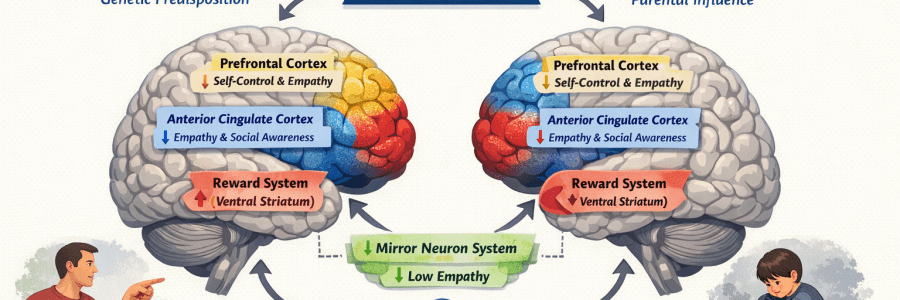
Some people seem sloppy, unambitious, greedy, and even abusive, both in how they look and how they act. Here’s why, from a brain and psychology perspective: 1️⃣ The Brain’s Role Prefrontal Cortex: Controls planning, self-control, and motivation. Weak activity → trouble taking care of themselves or having goals. Anterior Cingulate Cortex: Helps us feel empathy and notice when… Read More Why Some People Are Scruffy, Mean, and Selfish—Inside and Out

Brain Structure & Neurobiology

Prefrontal Cortex (PFC) Controls planning, impulse regulation, goal-setting, and self-discipline. Underactivity or delayed development can lead to poor self-care, lack of ambition, and impulsive behaviors, like greed or selfishness. Anterior Cingulate Cortex (ACC) Involved in empathy, error detection, and social awareness. Weak or underactive ACC may result in low empathy, poor moral judgment, and abusive or mean behavior. Amygdala… Read More Brain Structure & Neurobiology

 Social Learning & Mirror Neurons

The neuroscience of learned greed, manipulation, and dishonesty—basically, how teaching someone to take advantage of others can create a cycle where those behaviors get reflected back to you. Let’s break this down carefully: 1. Social Learning & Mirror Neurons Mirror neurons fire when we observe others’ actions and intentions. When someone models greed or dishonesty, others—especially children or mentees—can internalize… Read More  Social Learning & Mirror Neurons

Genetic and Heritable Factors

he neuroscience behind why a “Me, Me, Me” personality—self-centeredness or narcissistic traits—can appear to “run in the family.” Let’s break it down carefully: 1. Genetic and Heritable Factors Research shows traits like narcissism, self-centeredness, and certain personality disorders have a moderate heritable component. Twin and family studies suggest 30–50% of variance in narcissistic traits may be genetic. This doesn’t mean children will automatically… Read More Genetic and Heritable Factors

Me Me Me

“ME ME ME” mindset isn’t just annoying; it’s a full-blown neurological pattern. 🧠 Here’s what’s happening under the hood: Self-centered attention loop – Their brain is stuck in a feedback loop where everything is filtered through “How does this affect me?”. External stimuli, like your feelings or needs, barely register. Empathy circuits offline – The anterior insula and medial prefrontal cortex,… Read More Me Me Me