Feeling Like Me Again — Big Plans for This Year 🌟

After years of trauma, recovery isn’t just about surviving — it’s about thriving. And this year, I’m ready to live fully, joyfully, and abuse-free. Here’s what I’m looking forward to: 🧠 More study in neuroscience & neuroplasticity — because understanding the brain helps me rewrite my own story.🏡 Final move — creating a safe, empowering home.💬 Learning Spanish — expanding my world and connections.🤿 Scuba… Read More Feeling Like Me Again — Big Plans for This Year 🌟

From Trauma to Triumph: My Health Check Story 🌟

Three years ago, my health looked very different. Stress, trauma, and the aftermath of an abusive relationship left my body and mind on high alert. Fast forward to today… and the story is completely different. ✅ All tests, scans, and X-rays? Perfect. My nervous system? Calmer than ever. My mental health? Supported, resilient, and growing. What changed? A… Read More From Trauma to Triumph: My Health Check Story 🌟

“No One Can Minimise Your Danger” 🔹

When it comes to domestic abuse, family denial or minimisation cannot override the facts. ✅ Police & Guardia Civil use structured risk assessments — like Spain’s VioGén system — to classify threats from Low → Extreme.✅ Courts rely on evidence, past incidents, and professional evaluations, not subjective opinions.✅ Protective orders, GPS monitoring, and emergency protocols remain in place regardless of anyone trying to downplay… Read More “No One Can Minimise Your Danger” 🔹

Why Police, Guardia Civil, and Courts Override Minimisation

1. Objective Professional Assessment Police and Guardia Civil follow structured risk assessment tools (e.g., VioGén in Spain) rather than subjective opinions. Risk is quantified based on behavior, past incidents, lethality markers, and patterns, not family perception. Minimisation by family members cannot change the recorded evidence: reports, injuries, restraining orders, or threat history. 2. Evidence-Based Documentation All incidents are formally logged in police databases and… Read More Why Police, Guardia Civil, and Courts Override Minimisation

Court Decision-Making Framework: Domestic Abuse

Objective: Ensure that judicial decisions reflect the true risk to survivors, integrate trauma-informed evidence, and prevent escalation or homicide. 1️⃣ Intake & Case Assessment Data Sources: Police reports VioGén risk assessment (Spain) Medical & forensic reports Social services records Victim statements Prior restraining orders Judicial Tasks: Verify incident chronology Identify repeat or escalating behaviour Flag high-risk indicators 2️⃣ Risk Categorisation Risk… Read More Court Decision-Making Framework: Domestic Abuse

✅ Who CAN Access VioGén?

In Spain, authorised professionals can check a central national system to see the assessed level of violence and abuse risk. Spain is the European gold standard for domestic abuse monitoring. Here is a clear, accurate explanation of how it works and who can access it: 🇪🇸 Spain – Who Can Access Domestic Abuse Risk Data (VioGén System) Spain operates a national domestic… Read More ✅ Who CAN Access VioGén?

Monitoring Systems & Databases for Domestic Abusers in Europe

What Exists — What Works — What’s Missing 1. Is There an EU-Wide Domestic Abuser Database? Short answer: NO. There is no single EU-wide public or police-accessible registry of domestic abuse perpetrators. However, the EU mandates data collection, risk assessment, and protection order tracking through: European Institute for Gender Equality (EIGE) EU Victims’ Rights Directive EU Directive 2024/1385… Read More Monitoring Systems & Databases for Domestic Abusers in Europe

Domestic Homicide Prevention Strategy

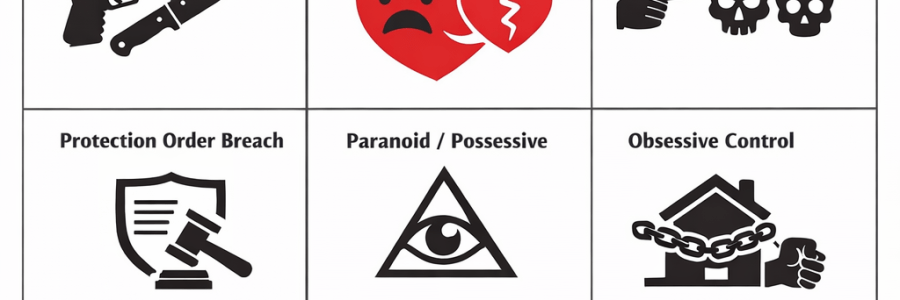
A Trauma-Informed, Public Health & Justice Framework Executive Summary Domestic homicide is predictable, preventable, and systemic. Research consistently demonstrates that domestic homicide is not a sudden act of violence, but the final stage of an escalating pattern of coercive control, psychological abuse, fear-based domination, and trauma entrapment. This strategy proposes a multi-layered prevention model combining: Early detection Neuroscience-based risk profiling… Read More Domestic Homicide Prevention Strategy

Human Rights Legal Analysis

Domestic Abuse as a Violation of Fundamental Human Rights Executive Summary Domestic abuse constitutes a grave and systematic violation of fundamental human rights. Beyond isolated criminal acts, domestic abuse represents a sustained deprivation of safety, dignity, autonomy, bodily integrity, psychological security, and equality before the law. Despite international human rights obligations, many legal systems fail to adequately prevent,… Read More Human Rights Legal Analysis

Legal Reform Recommendations

A Trauma-Informed Framework for Justice in Domestic Abuse Cases Executive Summary Domestic abuse is not a series of isolated incidents — it is a sustained pattern of coercive control and psychological domination that produces long-term neurological, emotional, and socioeconomic harm. Current legal systems largely fail to recognise the cumulative nature of this trauma, leading to: Undercharging Inadequate sentencing Survivor retraumatisation Increased… Read More Legal Reform Recommendations