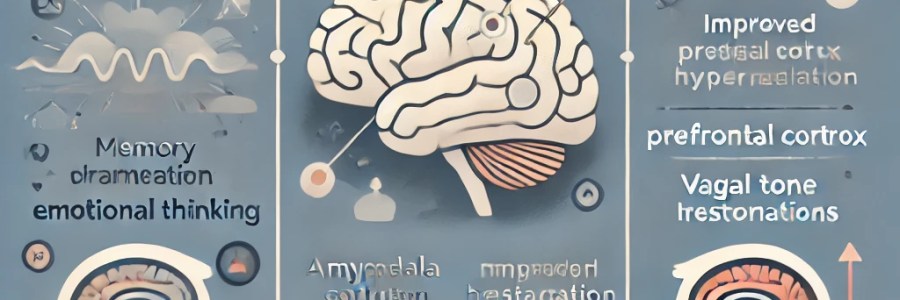
Neuropharmacology: How Drugs Affect the Brain
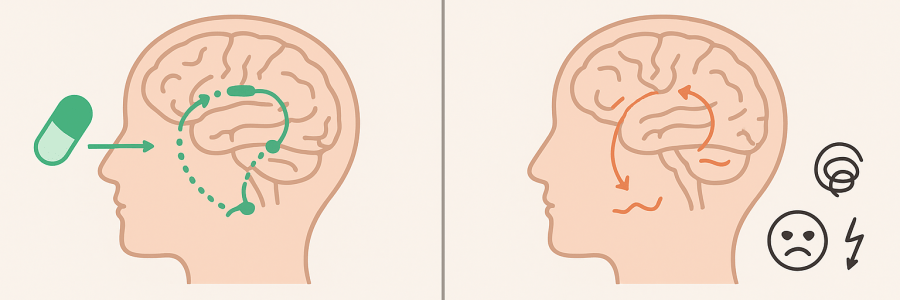
Neuropharmacology is the study of how drugs and chemicals influence the brain and nervous system, altering mood, perception, cognition, and behavior. It sits at the intersection of neuroscience, medicine, and psychology, revealing how substances interact with neurons and circuits. 🧠 How Neuropharmacology Works Neuropharmacology examines how drugs influence neurotransmitters — the brain’s chemical messengers. Dopamine: affects reward, motivation, and pleasure.… Read More Neuropharmacology: How Drugs Affect the Brain
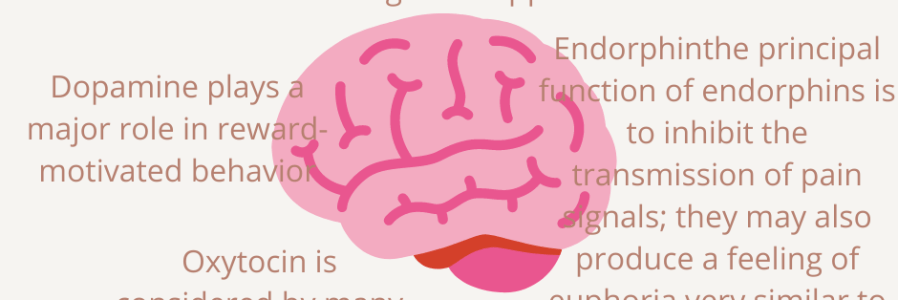
Decision Neuroscience: How the Brain Makes Choices and Evaluates Risk

Decision neuroscience is the study of how the brain processes information to make choices, evaluates risks and rewards, and ultimately guides behavior. It combines psychology, cognitive neuroscience, and economics to understand why we choose what we choose. 🧠 How the Brain Decides The prefrontal cortex helps weigh options, predict outcomes, and plan ahead. The striatum and nucleus accumbens process rewards and motivate action.… Read More Decision Neuroscience: How the Brain Makes Choices and Evaluates Risk

Why Socialising Can Help You Live Longer — The Neuroscience & Health Link

Humans evolved as social creatures — and modern science now shows that our brains, bodies, and immune systems are deeply wired to benefit from connection. It’s not just “nice to have.” It’s biologically meaningful.  🧠 1. Social Connection Reduces Biological Stress When you interact with others in positive ways — friends, family, community — your brain releases chemicals… Read More Why Socialising Can Help You Live Longer — The Neuroscience & Health Link

The Neuroscience of Lucid Dreaming — What Science Has Found

Lucid dreaming is a state in which you know you’re dreaming while you’re still in the dream, and sometimes you can even control what happens. It’s not just a quirky sleep trick — it reveals fascinating insights into consciousness and how the brain works during sleep.  🧠 What makes it different from regular dreaming? Lucid dreams occur during REM sleep, the… Read More The Neuroscience of Lucid Dreaming — What Science Has Found

When They Try to Destroy You… From 18 Months Away: A Survivor’s Guide to Laughing in the Face of Distance Drama

Let’s be real. You left the building 18 months ago. You packed your bag, you waved goodbye, you moved on. And yet… somehow, some very determined human being decided that your life is still their personal playground. Cue the distant chaos. Threats. Gossip. Family drama. Lawyer letters. Court summons that seem to appear like magic. The occasional… Read More When They Try to Destroy You… From 18 Months Away: A Survivor’s Guide to Laughing in the Face of Distance Drama

Quite Frankly I don t give a damn!

34 years of threats.34 years of control.34 years of courtrooms, lawyers, and family stalkers. And here I am…laughing. Do your worst.Go ahead. Float your little boat. Tick your little boxes.I’ve got better things to do. Like living my best life.Eating dessert first.Laughing too loud.Enjoying every minute of my freedom. 34 years in the making…and honestly?… Read More Quite Frankly I don t give a damn!

Why do some people enjoy cruelty, abuse, control, or manipulation?

Not everyone who harms others enjoys it—but when they do, there are specific brain and psychological mechanisms involved. 1. Reward system activation (they feel good doing it) Cruel or controlling behaviour can activate the brain’s reward circuitry, especially pathways involving dopamine. Dominating someone can create a sense of power and stimulation Getting a reaction (fear, distress, submission)… Read More Why do some people enjoy cruelty, abuse, control, or manipulation?

Weaponized vulnerability — what it actually means

Weaponized vulnerability is when someone uses emotional openness as a strategy, not as genuine connection. It looks like honesty on the surface—but underneath, it’s about influence, control, or securing attachment, not mutual trust. How it shows up in real life Instead of vulnerability being a bridge between two people, it becomes a tool. You’ll often… Read More Weaponized vulnerability — what it actually means

Can someone with Antisocial Personality Disorder fall in love?

Yes—but not in the way most people mean when they talk about love. And that distinction matters. Let’s be honest about what’s really happening Someone with ASPD can form attachments. They can feel desire, interest, even a version of “love.” But it is often driven by self-interest, not emotional depth. What they call love is… Read More Can someone with Antisocial Personality Disorder fall in love?