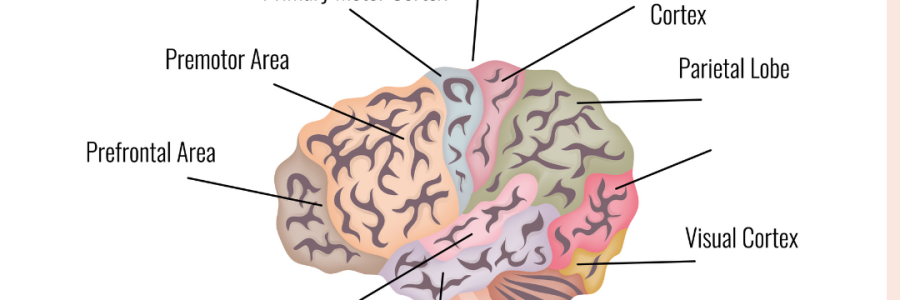
Neuroscience and Mental Health

Neuroscience, the study of the brain and nervous system, contributes significantly to our understanding of mental health and plays a crucial role in advancing our knowledge of mental disorders. Here’s how neuroscience helps in the field of mental health: Understanding brain mechanisms: Neuroscience provides insights into the neurobiological processes underlying mental health conditions. By studying… Read More Neuroscience and Mental Health

The Latest Developments in Neuroscience

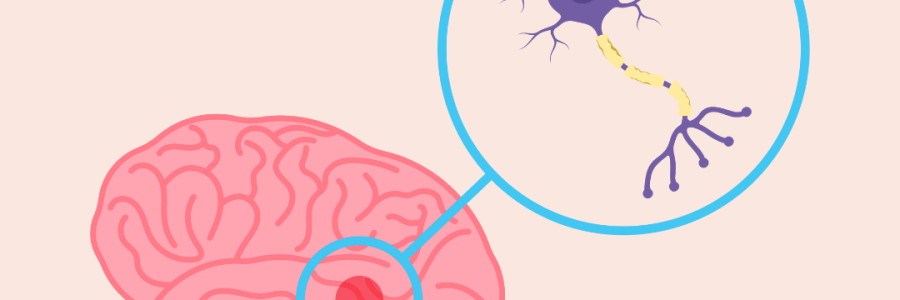
Brain-computer interfaces (BCIs): There has been significant progress in developing BCIs, which enable communication and control of external devices directly through the brain. Researchers have achieved impressive results in using BCIs to help individuals with paralysis regain movement and communicate, opening new possibilities for enhancing the lives of people with disabilities. Connectomics: The field of… Read More The Latest Developments in Neuroscience

Amygdala

The amygdala is a small almond-shaped structure located deep within the brain’s temporal lobe, specifically in the medial temporal lobe. It is considered a key component of the limbic system, which is involved in regulating emotions, memory, and certain aspects of behavior. The amygdala plays a central role in the processing and regulation of emotions,… Read More Amygdala

Basal Ganglia

The basal ganglia is a group of structures located deep within the brain, near the base of the forebrain. It is primarily involved in the coordination of voluntary movements, as well as various aspects of motor control, cognition, and emotion. The basal ganglia consists of several key components, including: Striatum: The striatum is the largest… Read More Basal Ganglia

Serotonin reuptake inhibitors (SSRIs)

Selective serotonin reuptake inhibitors (SSRIs) are a class of medications commonly used to treat various mental health conditions, including depression, anxiety disorders, and certain other psychiatric disorders. They work by increasing the levels of serotonin, a neurotransmitter, in the brain. Serotonin is involved in regulating mood, emotions, and several other physiological functions. It is believed… Read More Serotonin reuptake inhibitors (SSRIs)

Serotonin

Serotonin is a neurotransmitter—a chemical messenger that transmits signals between nerve cells—in the brain and other parts of the body. It plays a crucial role in regulating various physiological functions, including mood, emotions, sleep, appetite, and cognitive processes. In the brain, serotonin helps to regulate mood and emotional well-being. It is often referred to as… Read More Serotonin

Dopamine

Dopamine is another neurotransmitter in the brain that plays a crucial role in several important functions. It is involved in the brain’s reward and pleasure pathways, as well as in regulating movement, motivation, mood, attention, and cognitive processes. Dopamine is produced in several regions of the brain, including the substantia nigra and the ventral tegmental… Read More Dopamine

Cortisol

Cortisol is a steroid hormone that belongs to the glucocorticoid class of hormones. It is produced by the adrenal glands, which are located on top of the kidneys. Cortisol plays a vital role in the body’s stress response and helps regulate a wide range of physiological processes. Here are some key functions and effects of… Read More Cortisol

PSSD from psychiatric medication

Post-SSRI Sexual Dysfunction (PSSD) is a term used to describe a condition where individuals experience persistent sexual side effects after discontinuing the use of selective serotonin reuptake inhibitors (SSRIs) or other psychiatric medications that affect serotonin levels. SSRIs are commonly prescribed for the treatment of various mental health conditions such as depression, anxiety, and obsessive-compulsive… Read More PSSD from psychiatric medication

Brain Regions

The amygdala and insula are two important brain regions involved in processing emotions and facial expressions. The amygdala plays a crucial role in the processing of emotions, particularly fear and threat-related stimuli. It helps in evaluating the emotional significance of various sensory inputs, including facial expressions, and can trigger appropriate emotional responses. The insula, on… Read More Brain Regions