Personal Responsibility

Personal Responsibility: Every individual has agency and autonomy when it comes to their behavior and decision-making. While external factors such as medication may influence one’s mental state, ultimately, individuals are accountable for how they choose to act upon their thoughts and emotions. Blaming medication for illegal or immoral behavior undermines the concept of personal responsibility and diminishes the importance of individual agency.… Read More Personal Responsibility
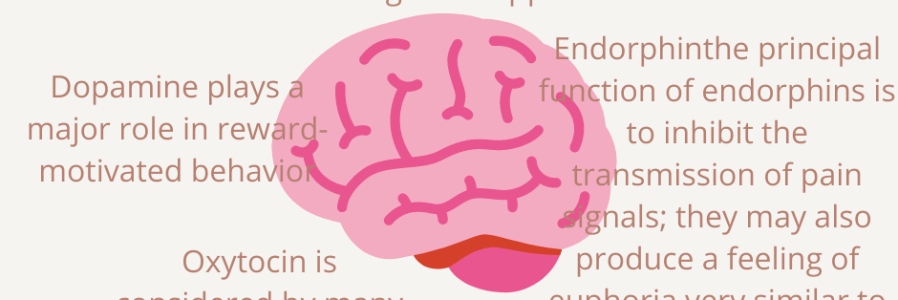

Brain Chemistry

Substance Abuse Disorders: Individuals who struggle with substance abuse disorders, such as addiction to drugs or alcohol, often experience profound changes in behavior and cognition. Chronic substance abuse can alter brain chemistry and impair executive functions, including those related to impulse control, decision-making, and empathy. As a result, individuals may engage in morally questionable behaviors without fully considering the consequences to others.… Read More Brain Chemistry

The Absence of Conscience

The Absence of Conscience: For some individuals, the absence of guilt and conscience can manifest as a disregard for the well-being of others. This may lead to behaviors characterized by selfishness, manipulation, or exploitation, as they prioritize their own interests without regard for the consequences to others. Without a moral compass to guide their actions, they may engage in harmful behaviors without experiencing the associated emotional repercussions.… Read More The Absence of Conscience

“Facing the Repercussions: Understanding Karma When Wronging Others”

The Ripple Effect of Actions: Every action has a ripple effect that extends beyond the immediate moment. When someone wrongs another person, whether through deceit, betrayal, or harm, they set into motion a chain of events that can reverberate back to them. This could manifest as loss of trust, damaged relationships, or unforeseen consequences that disrupt their life.… Read More “Facing the Repercussions: Understanding Karma When Wronging Others”

“Keeping Your Enemies Close: The Art of Strategic Engagement”

Understanding Motivations: The first step in keeping your enemies close is to understand their motivations and intentions. What drives their actions? What are their goals and objectives? By gaining insight into their mindset and agenda, you can anticipate their moves and formulate effective counter-strategies.… Read More “Keeping Your Enemies Close: The Art of Strategic Engagement”

Befriended by the Unknown

History of Dishonesty or Misconduct: Dishonesty and misconduct in a person’s past are significant warning signs that should not be overlooked. This could encompass a range of behaviors, including lying, cheating, manipulation, or unethical conduct in personal, professional, or academic settings. Pay attention to inconsistencies in stories or discrepancies between a person’s words and actions. Be wary of individuals who seem overly eager to win your trust or who engage in manipulative tactics to garner sympathy or support.… Read More Befriended by the Unknown

The Importance of Due Diligence and Background Checks

Understanding the Risks: Moving to a new country often involves interacting with unfamiliar cultures, legal systems, and social norms. While many individuals you encounter may be genuine and trustworthy, there is always a risk of encountering those with malicious intentions. Conducting background checks can help uncover any red flags or past issues that may indicate potential risks to your safety or well-being.… Read More The Importance of Due Diligence and Background Checks

Misplaced Trust

Track Record and Reputation: A person’s track record and reputation can provide valuable insights into their trustworthiness. Seek feedback from mutual acquaintances, colleagues, or online reviews to gauge their character and reliability. While everyone makes mistakes, a consistent pattern of negative feedback or warning signs should not be ignored.… Read More Misplaced Trust