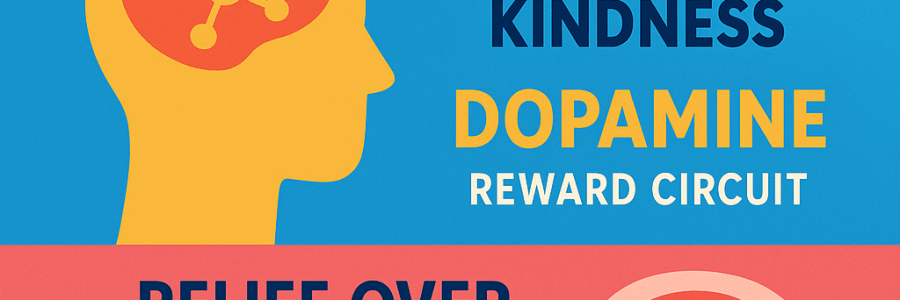
Abuse as a Deliberate Behavioral Pattern: A Neuroscience and Psychology Perspective
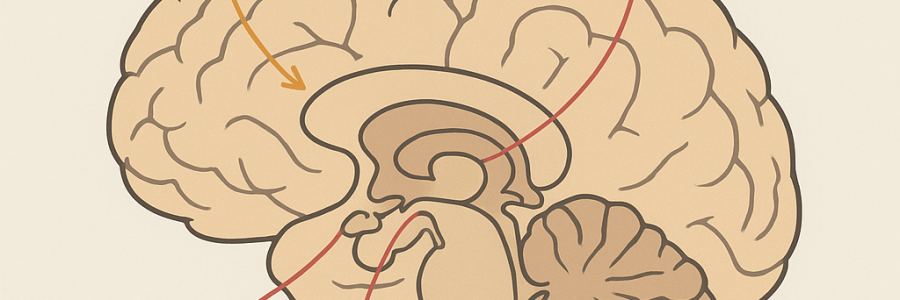
Introduction Abuse is often misunderstood in popular discourse as the result of stress, mental illness, or poor emotional regulation. Neuroscience and psychology research increasingly clarify that abuse is a conscious, deliberate behavior aimed at power and control rather than an accident or symptom. Understanding the underlying mechanisms helps survivors, professionals, and the legal system recognize patterns, predict… Read More Abuse as a Deliberate Behavioral Pattern: A Neuroscience and Psychology Perspective
Fantasy vs Reality Checklist

Step 1: Identify the Fantasy Ask yourself if you’re romanticizing or amplifying any of these:  Thinking they are “perfect” or only have good qualities.  Believing this time will be different without evidence.  Imagining scenarios that never happened or ignoring past harm.  Assigning motives or intentions that are positive without proof.  Feeling “destined” or “fated” for… Read More Fantasy vs Reality Checklist

Working With Attraction While Healing

1. Acknowledge the Chemistry Recognize that feeling drawn to someone is normal brain chemistry (dopamine, oxytocin, and serotonin spikes). Feeling desire or attachment does not mean weakness — it’s your nervous system responding to novelty, bonding cues, or emotional reward. Key practice: name the physiological response: “My body is experiencing dopamine and oxytocin surges; this is normal.” 2. Name What… Read More Working With Attraction While Healing

Self-Assessment Questions: Am I Co-Dependent?

Here’s a self-reflection guide with questions to help you assess whether you might exhibit co-dependent patterns. These are grounded in psychology and behavioral science. Answer honestly, in a non-judgmental way — this is for self-awareness, not diagnosis. Self-Assessment Questions: Am I Co-Dependent? 1. Relationship Dynamics Do I feel responsible for other people’s feelings, problems, or happiness? Do I… Read More Self-Assessment Questions: Am I Co-Dependent?

Co-Dependent Individuals: Neuroscience and Psychology

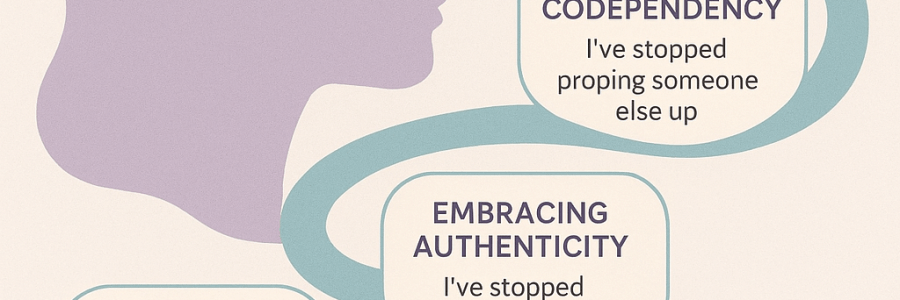
Co-dependency refers to a pattern where an individual consistently prioritizes others’ needs over their own, often to the point of emotional, psychological, or even physical detriment. It’s commonly observed in relationships with emotionally unavailable, abusive, or high-conflict partners. 1. Brain Mechanisms in Co-Dependency A. Reward System Dysregulation Helping or “fixing” others releases dopamine, reinforcing self-sacrificing patterns.… Read More Co-Dependent Individuals: Neuroscience and Psychology

Social Circle Curator: Keep, Cultivate, or Remove

Category Description Neuroscience / Psychology Impact Action Keep People who consistently demonstrate kindness, respect, reliability, and emotional intelligence. Activates reward pathways (dopamine), oxytocin bonding, reduces cortisol (stress), reinforces healthy attachment circuits. Maintain regular interaction, express gratitude, and strengthen mutual support. Cultivate Individuals who are promising but inconsistent or developing in maturity, empathy, or trustworthiness. Potentially… Read More Social Circle Curator: Keep, Cultivate, or Remove

Why Healthy Relationships Matter

Surrounding yourself with healthy, supportive, and inspiring people is one of the most powerful ways to protect your emotional well-being, reinforce positive habits, and create resilience against toxic or dark-trait individuals. Here’s a breakdown of why and how to do it effectively: 1. Why Healthy Relationships Matter Neuroscience Perspective Mirror neurons: When you’re around people who are… Read More Why Healthy Relationships Matter

Neuroscience-Informed Trauma Bond Resistance: Overview

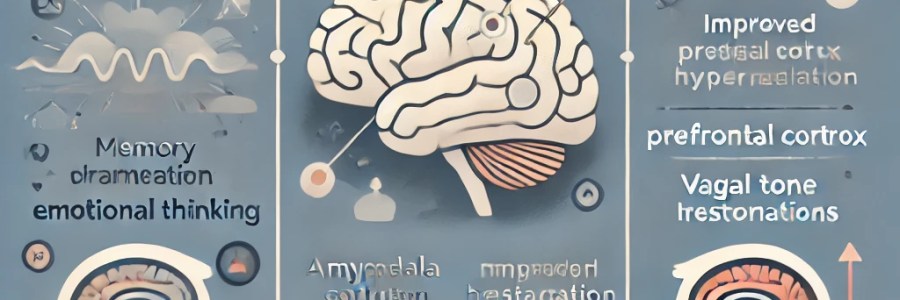
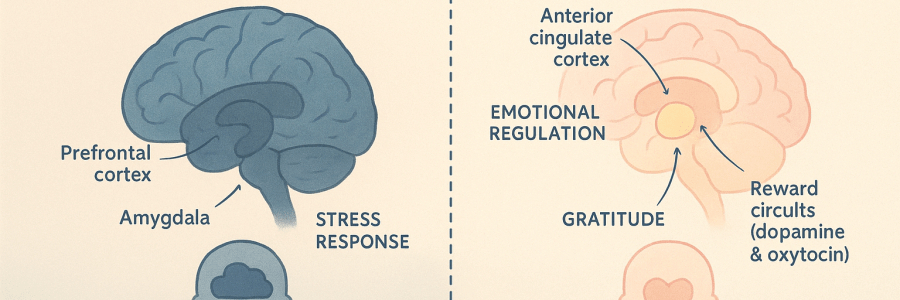
Key Concepts / Mechanisms Practical Implications Neurobiology of Trauma Bonds Explains how the brain forms strong attachments even in harmful relationships. – Dopamine system (nucleus accumbens): reward spikes during intermittent affection.– Oxytocin system: strengthens bonding, trust, and attachment.– Amygdala & HPA axis:hyperarousal, fear, and stress responses.– Prefrontal cortex suppression:rational decision-making is reduced during emotional manipulation. – Recognize neurochemical dependence.– Understand physiological… Read More Neuroscience-Informed Trauma Bond Resistance: Overview

Neuroscience-Informed Guide to Trauma-Bond Resistance

1. Understanding the Neurobiology of Trauma Bonds Trauma bonds form when intermittent reinforcement (alternating kindness and abuse) hijacks the brain’s reward and stress systems: Dopamine system (nucleus accumbens): activates during rewarding interactions; intermittent rewards spike craving for the relationship. Oxytocin system: promotes bonding and trust; even abusive partners trigger attachment circuits. Amygdala and hypothalamic-pituitary-adrenal (HPA) axis: high… Read More Neuroscience-Informed Guide to Trauma-Bond Resistance

Spotting and Exiting High-Risk Relationships

START│▼Step 1: Initial Observation Notice unusual charm, flattery, or love-bombing? Frequent contradictions in stories or promises?│├─ YES → Step 2└─ NO → Continue cautious observation Step 2: Red Flag Assessment Attempts to isolate you from friends/family? Chronic manipulation or gaslighting? Consistent disregard for boundaries?│├─ YES → Step 3└─ NO → Monitor behavior; maintain boundaries Step… Read More Spotting and Exiting High-Risk Relationships