Coercive Legal Tactics: Neuroscience & Psychology

I initiated divorce proceedings over a year ago 17th October 2024 The ex-partner’s lawyer proposes an unfair settlement (65/35 split on property, he keeps the dog and I have to pay for MY car). They threaten total loss of property if you don’t agree. They demand withdrawal of complaints, drop the criminal charges and the restraining order. These actions constitute coercive… Read More Coercive Legal Tactics: Neuroscience & Psychology

Why Some People Won’t Commit Until You Are Fully Divorced

1. The Brain Wants “Clean Attachments” — Not Overlapping Ones Many people’s nervous systems cannot tolerate emotional overlap.For them, attachment circuits (oxytocin + dopamine) only activate fully when the situation feels: safe clean settled uncontested If you’re still married, their brain reads it as: “Not finished yet = Not safe yet.” Even if emotionally everything is finished.… Read More Why Some People Won’t Commit Until You Are Fully Divorced

NEUROSCIENCE OF “CONNECTION WITHOUT PROGRESSION”

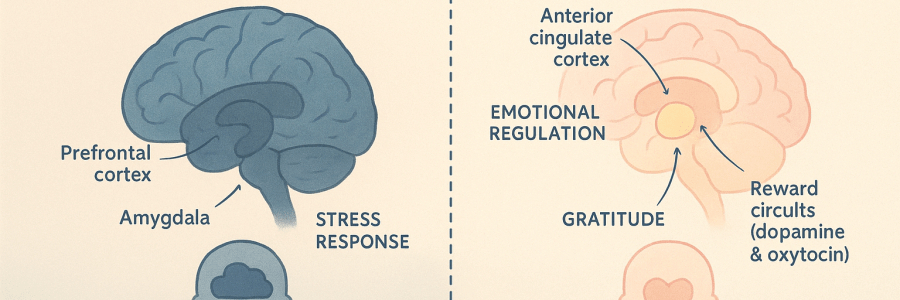
1. The Dopamine–Oxytocin Trick: Emotional Bonding Without Action When someone checks in, calls, sends photos, or maintains friendly emotional contact, your brain releases: dopamine (reward) oxytocin (bonding, trust) This creates a strong felt connection — even if nothing concrete happens. From their side, those same interactions give them enough emotional stimulation that their brain also feels: connected safe validated… Read More NEUROSCIENCE OF “CONNECTION WITHOUT PROGRESSION”

Neuroscience Comparison Chart

Trusting Brain vs Manipulative Brain Neural Feature Trusting Brain Manipulative Brain (Dark-Triad Traits) Empathy Circuits (Anterior Insula, ACC) Highly active — can feel others’ emotions easily. Underactive — low resonance with others’ feelings; emotional detachment. Oxytocin Sensitivity Strong — bonding happens quickly; warmth feels natural. Low or strategically used — may mimic bonding to gain… Read More Neuroscience Comparison Chart

Why Highly Trusting People Are the Way They Are — Neuroscience Perspective

1. Your Brain Is Wired for Warmth, Not Suspicion Many trusting individuals have stronger activity in neural systems associated with: ⭐ Ventromedial Prefrontal Cortex (vmPFC) Responsible for: empathy moral reasoning perceiving others as “basically good” giving the benefit of the doubt This creates a natural optimistic bias, making you more likely to assume honesty, kindness, and… Read More Why Highly Trusting People Are the Way They Are — Neuroscience Perspective

Comparison Chart: Healthy Partner vs. The Man Who Never Learned

Category Healthy Partner The Man Who Never Learned Self-Awareness Reflective, open to feedback, adjusts behaviour when shown impact. Believes he is “always right,” immune to evidence, feedback bounces off like rain on a waxed car. Listening Skills Actively listens, asks questions, remembers what matters. Does not listen, does not observe, does not ask, does not… Read More Comparison Chart: Healthy Partner vs. The Man Who Never Learned

The Neuroscience of Delusion

It’s honestly hilarious when someone lives so deep inside their own fantasy bubble that they genuinely believe you’ll never leave them…unless, of course, “you have someone else.” That’s not logic — that’s projection.They judge you entirely by their own standards. After all, this is the same brain that once berated the ex-wife for “going off with someone else,”while also announcing: “I have… Read More The Neuroscience of Delusion