The Neuroscience of What Makes a Man Capable of Deep Love

1. A Regulated Nervous System = Emotional Availability At the core of deep love is nervous system regulation. Men capable of deep love have: Balanced autonomic nervous systems Low chronic cortisol (stress hormone) Stable vagal tone (emotional regulation capacity) This allows: Presence Patience Emotional tolerance Conflict regulation Without nervous system regulation, men default to: shutdown avoidance anger… Read More The Neuroscience of What Makes a Man Capable of Deep Love

Why Laughter Can Suddenly Feel Uncontrollable

This isn’t random. It’s nervous system discharge. For years, your body held: fear tension suppression vigilance emotional restraint When safety returns, the nervous system releases that stored energy. Laughter is one of the fastest discharge pathways. That’s why: it can come in bursts it can feel almost hysterical it can arise in unexpected moments Neurologically: The vagus nerve activates… Read More Why Laughter Can Suddenly Feel Uncontrollable

Why You Feel More in 12 Months Than in 32 Years After Leaving an Abuser

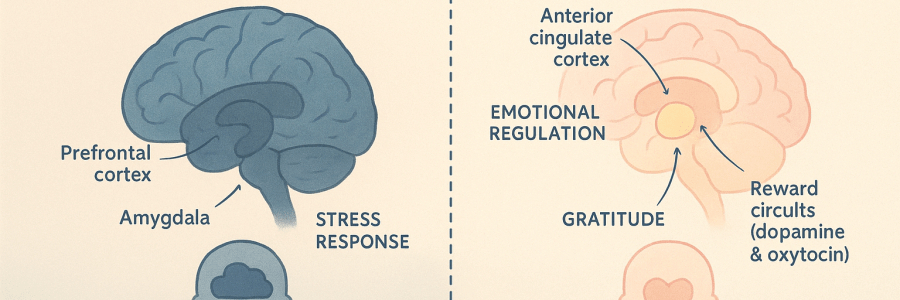
1. Your Nervous System Is Coming Back Online In long-term abuse, your nervous system lives in survival mode. Instead of: feel → process → release Your brain switches to: detect danger → suppress emotion → endure → survive This is driven by: Chronic cortisol elevation (stress hormone) Hyperactivation of the amygdala (threat detection center) Suppression of the prefrontal cortex (reflection, emotional processing)… Read More Why You Feel More in 12 Months Than in 32 Years After Leaving an Abuser

Why Liars Fear Truth-Tellers

(Psychology + Neuroscience + Power Dynamics) At the core, truth-tellers threaten the psychological survival system of liars. Not their reputation.Not their image.Their identity. 1. Truth Exposes the False Self Many chronic liars do not simply lie about events —they live inside a constructed identity. They carefully build: Image Persona Story Narrative Victim role Success role Moral role… Read More Why Liars Fear Truth-Tellers

What’s Really Going On (Psychology + Neuroscience)

When someone lies, is confronted, and then: Accuses you of lying Threatens you if you repeat the truth Tries to reverse the narrative This is called: 🔴 DARVO DenyAttackReverse Victim and Offender It’s a classic defense pattern used when a person cannot tolerate accountability. The Psychology Behind It 1. Ego Protection & Shame Avoidance When a person lies, their brain experiences: Threat… Read More What’s Really Going On (Psychology + Neuroscience)

How to Spot Emotional Immaturity Within Minutes

The Fastest Psychological & Neurological Signals Emotional immaturity shows up immediately in how someone regulates emotion, handles attention, and relates to power. You don’t need time.You need attunement. 1. They Talk More Than They Listen (Low Emotional Attunement) Interrupt frequently Redirect conversation back to themselves Overshare early Monologue Don’t ask curious questions 🧠 Neuroscience:This shows poor prefrontal regulation and low empathy… Read More How to Spot Emotional Immaturity Within Minutes

Why Post-Trauma Women Attract Emotionally Immature Men

The Neuroscience & Psychology Behind This Pattern After trauma — especially relational trauma — a woman’s nervous system becomes highly sensitised to emotional cues. This creates both profound emotional intelligence and temporary vulnerability. And emotionally immature men are drawn to that combination. 1. Trauma Creates Emotional Depth — Which Immature Men Seek Post-trauma women often develop: High empathy Emotional attunement… Read More Why Post-Trauma Women Attract Emotionally Immature Men

Where Women Go After Traumatic Divorce

And What They Are Truly Looking For in a Partner After a traumatic divorce — especially one involving emotional abuse, control, betrayal, or prolonged stress — a woman’s entire nervous system reorganises. She is no longer seeking excitement. She is seeking safety, peace, and restoration of self. 1. Where Women Go First: Inward Before turning outward, most… Read More Where Women Go After Traumatic Divorce