Monitoring Systems & Databases for Domestic Abusers in Europe

What Exists — What Works — What’s Missing 1. Is There an EU-Wide Domestic Abuser Database? Short answer: NO. There is no single EU-wide public or police-accessible registry of domestic abuse perpetrators. However, the EU mandates data collection, risk assessment, and protection order tracking through: European Institute for Gender Equality (EIGE) EU Victims’ Rights Directive EU Directive 2024/1385… Read More Monitoring Systems & Databases for Domestic Abusers in Europe

Domestic Homicide Prevention Strategy

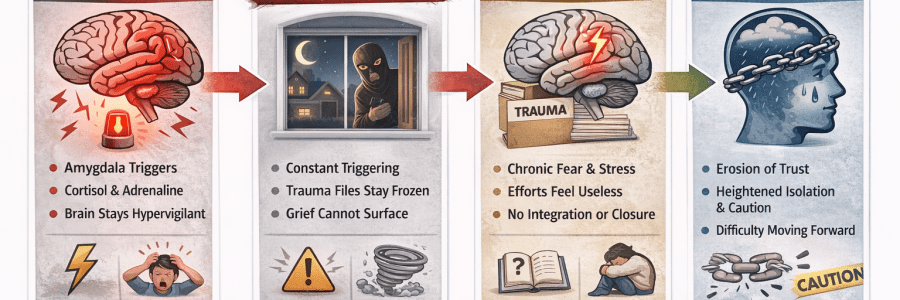
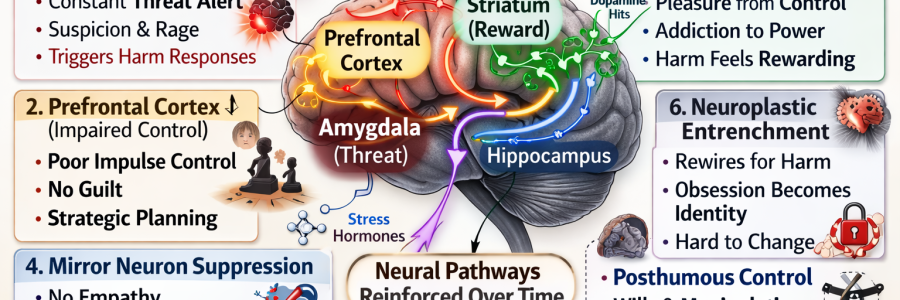
A Trauma-Informed, Public Health & Justice Framework Executive Summary Domestic homicide is predictable, preventable, and systemic. Research consistently demonstrates that domestic homicide is not a sudden act of violence, but the final stage of an escalating pattern of coercive control, psychological abuse, fear-based domination, and trauma entrapment. This strategy proposes a multi-layered prevention model combining: Early detection Neuroscience-based risk profiling… Read More Domestic Homicide Prevention Strategy

Human Rights Legal Analysis

Domestic Abuse as a Violation of Fundamental Human Rights Executive Summary Domestic abuse constitutes a grave and systematic violation of fundamental human rights. Beyond isolated criminal acts, domestic abuse represents a sustained deprivation of safety, dignity, autonomy, bodily integrity, psychological security, and equality before the law. Despite international human rights obligations, many legal systems fail to adequately prevent,… Read More Human Rights Legal Analysis

Legal Reform Recommendations

A Trauma-Informed Framework for Justice in Domestic Abuse Cases Executive Summary Domestic abuse is not a series of isolated incidents — it is a sustained pattern of coercive control and psychological domination that produces long-term neurological, emotional, and socioeconomic harm. Current legal systems largely fail to recognise the cumulative nature of this trauma, leading to: Undercharging Inadequate sentencing Survivor retraumatisation Increased… Read More Legal Reform Recommendations

“Let the Punishment Fit the Crime” — When Justice Fails Survivors of Domestic Abuse

“Let the punishment fit the crime.”— Gilbert & Sullivan, The Mikado A famous line. A clever lyric. A timeless moral principle. And yet, in cases of domestic abuse, this principle too often collapses. When the Law Falls Short In many justice systems, domestic abuse is still: Minimised Undercharged Under-sentenced Or psychologically misunderstood Survivors frequently face: Burdens of proof… Read More “Let the Punishment Fit the Crime” — When Justice Fails Survivors of Domestic Abuse

Trauma-Informed Risk Assessment Framework

This framework helps evaluate risk levels in relationships or environments where abuse and compulsive/ritualistic behaviours intersect. 1️⃣ Assess the Type and Severity of Abuse Abuse Type Key Indicators Risk Implication Physical Hitting, choking, pushing, slapping Immediate risk of injury or escalation Emotional / Mental Gaslighting, verbal threats, humiliation High risk of psychological trauma, anxiety, PTSD Financial Controlling… Read More Trauma-Informed Risk Assessment Framework

Combined Abuse + Compulsive Behaviour Risk Matrix

Type of Abuse Compulsive / Trauma-Driven Behaviour Risk Mechanism Risk Level Physical Abuse Repetitive rituals (checking, tapping) Unpredictable escalation of violence 🔴 Extreme Physical Abuse Hypervigilance Misinterpretation of neutral events → sudden aggression 🔴 Extreme Mental / Emotional Abuse Paranoid ideation Continuous psychological pressure, fear induction, gaslighting 🔴 Severe Mental / Emotional Abuse Symbolic or… Read More Combined Abuse + Compulsive Behaviour Risk Matrix

Why Risk Levels Increase with Combined Behaviours

1. Amplified Control Dynamics Abuse alone often aims to dominate or intimidate. Rituals and compulsive behaviours are mechanisms for self-soothing and controlling the environment. When combined, the abuser’s need to control others merges with their internal anxiety, making their behaviour more rigid, unpredictable, and coercive. Example: Someone locks doors repeatedly (safety ritual) and punishes a partner for “interfering” — combining… Read More Why Risk Levels Increase with Combined Behaviours