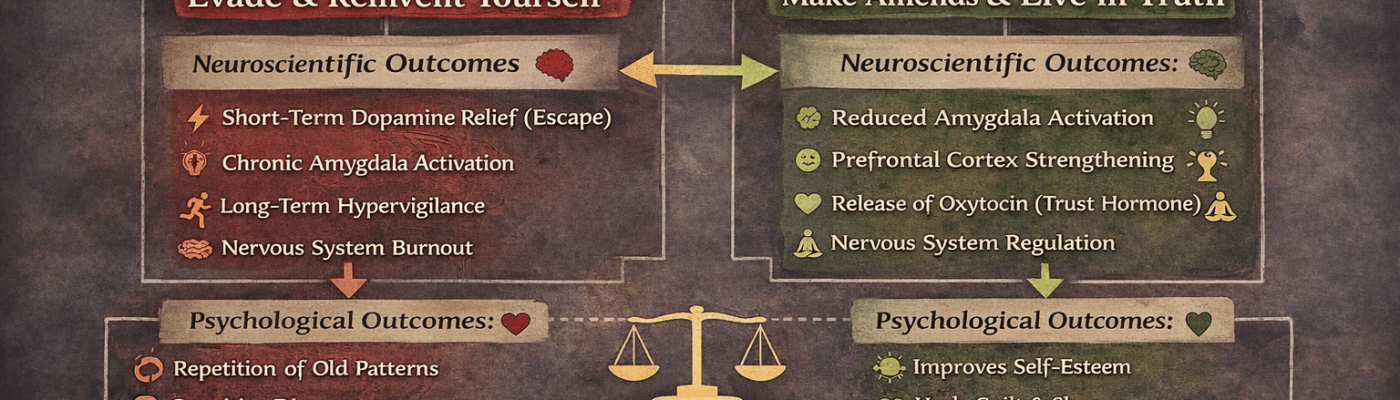
Pursuing revenge can have serious negative effects on both mental and physical health, potentially contributing to illness and even shortening lifespan.
How Revenge Affects Health
- Chronic Stress: Holding onto anger and thoughts of revenge triggers prolonged activation of the body’s stress response, releasing hormones like cortisol. Chronic stress damages the immune system, increases inflammation, and raises the risk of heart disease, hypertension, and other illnesses.
- Mental Health Impact: Revenge-focused thinking is linked to anxiety, depression, and rumination. These conditions weaken overall well-being and can lead to harmful behaviors such as substance abuse or social isolation.
- Sleep Disruption: Persistent anger and stress interfere with sleep quality, which is essential for physical repair and cognitive function.
- Cardiovascular Risk: Studies show that people who harbor grudges or seek revenge have higher rates of heart attacks and strokes due to elevated stress and blood pressure.
- Potential for Fatal Outcomes: While revenge itself does not directly cause death, the cumulative effects of chronic stress and poor mental health increase the risk of fatal diseases. Additionally, revenge can provoke dangerous conflicts that may lead to physical harm or fatal violence.
Summary
The path of revenge can seriously harm your body and mind by sustaining stress and negative emotions that undermine health. Over time, this can contribute to illness and increase the risk of premature death, making revenge a dangerous cycle to engage in.

