Self Erasure

At some point, many people notice a quiet shift in their relationships. Conversations stop being mutual. Listening fades. What replaces it is agenda—people focused less on connection and more on what they can extract from a situation. This is how many relationships become transactional. Some people are interested only in favors, free help, emotional labor,… Read More Self Erasure
How Secure People Thrive with Secure Partners

Secure attachment is one of the strongest predictors of healthy, lasting relationships. When a securely attached person pairs with another secure partner, the result is synergy, growth, and fulfillment. 1. Mutual Trust and Safety Both partners expect honesty and reciprocity. They give each other the benefit of the doubt without anxiety. Their nervous systems feel safe, allowing intimacy without… Read More How Secure People Thrive with Secure Partners

How Secure People Get Trapped with Insecure or Abusive Partners

Most people assume that secure attachment protects someone from ending up in an unhealthy relationship. And in many cases, it does. But the truth is more complex: Secure people are sometimes MORE vulnerable to getting trapped —precisely because of their strengths. A securely attached person expects honesty, repair, and emotional reciprocity.When they meet someone who is… Read More How Secure People Get Trapped with Insecure or Abusive Partners

Secure Attachment: Benefits vs. Vulnerabilities

💚 The Benefits (These Are Very Strong) Secure attachment creates one of the most resilient emotional foundations a person can have. 1. Higher trust and healthy bonding Securely attached people: expect relationships to feel safe approach others with goodwill assume their needs will be met find it easy to get close This makes relationships smoother,… Read More Secure Attachment: Benefits vs. Vulnerabilities

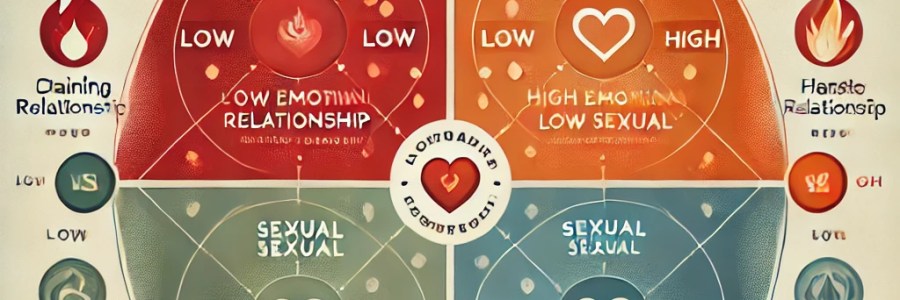
Sexual Compatibility vs. Emotional Compatibility Matrix

Axes Horizontal (X-axis): Emotional CompatibilityLow → High Vertical (Y-axis): Sexual CompatibilityLow → High 📊 The 4 Quadrants 🟥 Quadrant 1 — LOW Emotional / LOW Sexual Compatibility “The Draining Relationship” Characteristics Constant misunderstandings Lack of trust or safety Sex feels disconnected, mechanical, or avoided Arguments, coldness, irritation Feeling alone in the relationship Psychology Nervous system remains in defense… Read More Sexual Compatibility vs. Emotional Compatibility Matrix

Why People Don’t Believe Victims of Hidden Abuse

1. Cognitive Dissonance Psychology: Difficulty reconciling the image of a “good, polite, competent person” with allegations of abuse. Neurology: Prefrontal cortex resists integrating conflicting information → bias toward familiar, socially safe narratives. Social: People prefer simple stories; abuse behind closed doors challenges social assumptions. 2. Stereotypes of Abusers Psychology: Society expects abusers to be visibly angry, aggressive, or “monstrous.”… Read More Why People Don’t Believe Victims of Hidden Abuse

The Hidden Nature of Perpetrators

1. The “Mask of Normalcy” Many perpetrators present themselves as charming, competent, polite, or socially respectable. This public persona is carefully curated to avoid suspicion, maintain social standing, and manipulate perceptions. High social intelligence Good communication skills Reliability in work or community roles Superficial warmth and empathy This is sometimes called “the façade of normalcy”, which conceals abusive… Read More The Hidden Nature of Perpetrators

Psychological Profile of This Behaviour (Property Damage After Disputes)

This pattern of behaviour — demanding entitlement to an asset and then the asset being vandalised soon after — aligns with psychological traits commonly observed in coercive control, retaliatory aggression, and entitlement-based conflict. Individuals who engage in this pattern typically show high sensitivity to perceived loss, rejection, or humiliation, which triggers a disproportionate emotional reaction. When they… Read More Psychological Profile of This Behaviour (Property Damage After Disputes)

Why Someone Demands “Half the Car” and Then the Car Gets Vandalised Twice

When an ex-partner insists they are entitled to “half the car,” and soon after the car is keyed, damaged, repaired, and then keyed again within days, that pattern is not a coincidence.In coercive or abusive dynamics, this behaviour is often a form of retaliation, property intimidation, and psychological punishment. Below is the breakdown. 1. Retaliation for Losing Control… Read More Why Someone Demands “Half the Car” and Then the Car Gets Vandalised Twice

Psychological and Emotional Perspective in the Context of Coercive Control and Domestic Abuse

When an abusive or controlling ex-partner files for divorce again — particularly long after you initiated proceedings — the behaviour often reflects patterns of coercive control, not genuine legal necessity. 1. Reasserting Dominance After Losing Control In coercive-control dynamics, the abuser’s identity relies heavily on their ability to dictate the emotional and practical landscape of the relationship.Your original… Read More Psychological and Emotional Perspective in the Context of Coercive Control and Domestic Abuse