Navigating Paranoia: Understanding, Causes, and Coping Strategies

Paranoia is a mental health condition characterized by an intense and irrational mistrust of others or a persistent belief that one is being targeted, watched, or harmed. In this article, we explore the definition of paranoia, its potential causes, and effective coping strategies for individuals experiencing paranoid thoughts. Defining Paranoia: Paranoia goes beyond normal feelings… Read More Navigating Paranoia: Understanding, Causes, and Coping Strategies
Individuals who lack integrity and emotion intelligence

In the tapestry of human connections, we encounter a diverse array of personalities, each contributing their unique perspective to the intricate dance of social interactions. However, it’s not uncommon to come across individuals who, unfortunately, lack both integrity and emotional intelligence. Understanding how to navigate relationships with such individuals is crucial for maintaining your own well-being and fostering positive connections. Let’s delve into the characteristics of those lacking in integrity and emotional intelligence, and explore strategies for managing these interactions.… Read More Individuals who lack integrity and emotion intelligence

How Interactions with Mental Health and Alcohol Issues Can Influence Stress and Anxiety

Empathetic individuals may deeply feel the struggles of those around them. While empathy is a positive trait, it can also lead to emotional distress if not managed properly. Experiencing distress due to the challenges faced by others may indirectly contribute to paranoid thoughts.… Read More How Interactions with Mental Health and Alcohol Issues Can Influence Stress and Anxiety

Understanding the Dominator

In social settings, we encounter individuals who consistently display dominant behavior in conversations, often interrupting, talking over others, or dismissing their contributions. Termed “Dominators,” these individuals assert control over discussions, prioritizing their voice while undermining or disregarding the input of others. Traits of the Dominator The Dominator exhibits a communication style characterized by assertiveness and… Read More Understanding the Dominator

Psychopaths and non-psychopathic people

Neuroscientists using MRI scans discovered that psychopathic people have a 10% larger striatum, a cluster of neurons in the subcortical basal ganglia of the forebrain, than regular people. This represents a clear biological distinction between psychopaths and non-psychopathic people. Neuroscientists from Nanyang Technological University (NTU Singapore), the University of Pennsylvania, and California State University have discovered a… Read More Psychopaths and non-psychopathic people

Executive functions

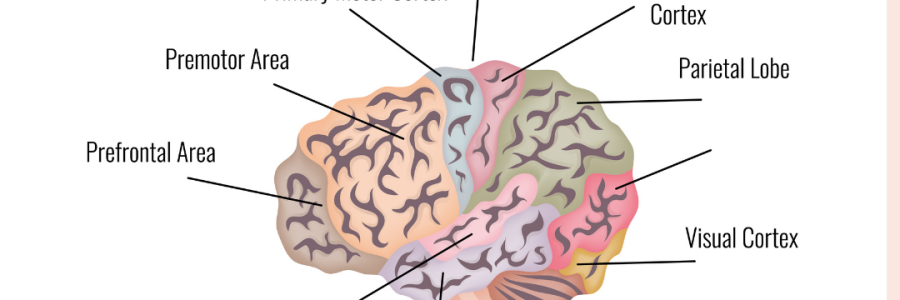
Executive functions is an umbrella term for a various cognitive processes and sub-processes.[7] The executive functions include: problem solving, planning, organizational skills, selective attention, inhibitory control and some aspects of short term memory.[8]} Visuospatial Neuropsychological tests of visuospatial function should cover the areas of visual perception, visual construction and visual integration.[9] Though not their only functions, these tasks are to… Read More Executive functions