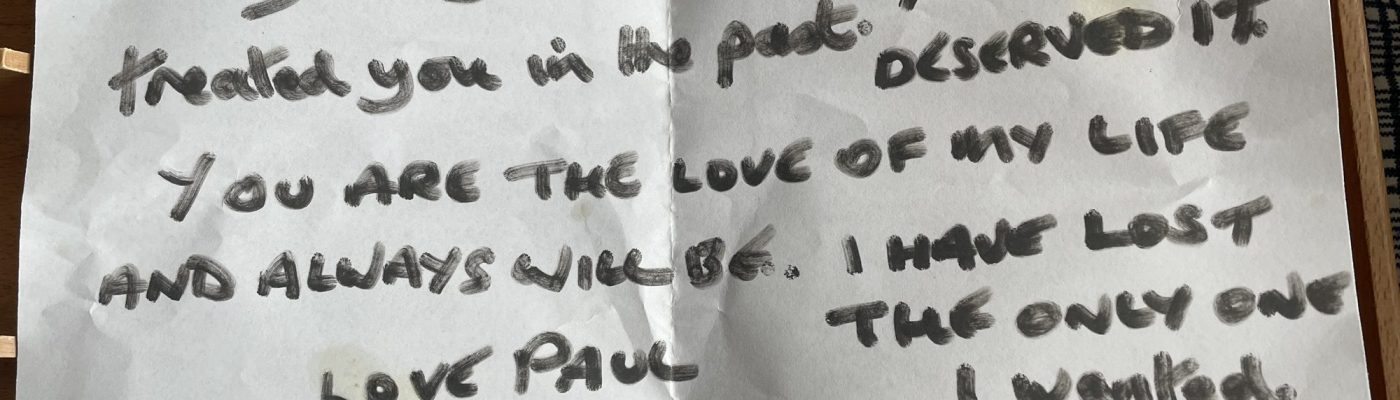
For years, survivors have carried an impossible burden.
“Why didn’t you know?”
“Why didn’t you leave?”
“Didn’t you see the signs?”
The truth is that many abusers do not introduce themselves as violent. They introduce themselves as charming, attentive, generous, funny, and devoted. The coercive control often begins quietly and escalates over time.
A publicly accessible register for those convicted of serious domestic violence shifts some of the responsibility away from potential victims and onto those who chose to abuse.
Knowledge is protection.
Information is power.
And secrecy has always been one of an abuser’s greatest allies.
Why This Matters
Domestic abuse is rarely a one-off event. Research consistently shows that many perpetrators engage in repeated patterns of coercive control, intimidation, emotional abuse, financial abuse, and physical violence across multiple relationships.
A register cannot prevent every case.
But it can give someone the opportunity to ask questions, recognise patterns, and make informed decisions before becoming trapped.
Red Flags Don’t Always Look Red
Sometimes they look like:
- “I just worry about you.”
- “I don’t like your friends.”
- “Why do you need your own money?”
- “Text me when you get there.”
- “You’re too sensitive.”
- “No one will love you like I do.”
Control often disguises itself as care until the control becomes impossible to ignore.
Breaking the Silence
For generations, survivors have whispered warnings to each other:
“Be careful.”
“I wish I’d known.”
“He’s done this before.”
Making serious convictions visible acknowledges something important: past behaviour can be relevant information when someone is making decisions about their safety.
A Shift in Responsibility
Perhaps the most significant change is cultural.
Instead of asking survivors,
“Why didn’t you see the warning signs?”
we can begin asking,
“Why was the history hidden?”
Safety should not depend on detective work, luck, or private whispers between former partners.
Everyone deserves the chance to make informed choices about who they invite into their lives.
👏 Every step that increases transparency, supports survivors, and recognises patterns of coercive and violent behaviour has the potential to save lives—and to remind those living in fear that their experiences are being taken seriously.
Abusers convicted of serious domestic violence will have their names included on a publicly available register for the first time, under a new law designed to allow those with concerns to check whether their partner has a violent past.


