The full psychological picture:

Here’s a clear, simple explanation of each of these tools — what they are, how they’re used, and what they actually assess: 1. HCR-20 (Historical, Clinical, Risk Management-20) This is a professional risk assessment tool used mainly by psychologists, psychiatrists, and forensic specialists to evaluate the likelihood of future violent behaviour. What it looks at: It is divided into… Read More The full psychological picture:

Early signs of a potentially abusive rebound pattern

🔹 1. Fast emotional intensity (“love bombing”) 👉 Rebound + intensity can be about hooking you before you see inconsistencies 🔹 2. Subtle control disguised as care 👉 Control often starts as “concern” 🔹 3. Inconsistent mood or behaviour 👉 Emotional instability is a major early red flag 🔹 4. History of blame and lack of… Read More Early signs of a potentially abusive rebound pattern

🔍 The early warning signs

1. The Manipulator Core trait: Control through emotion and psychology What they do: Typical phrases: 👉 Goal: keep you emotionally hooked and off-balance 🎭 2. The Joker / Charmer Core trait: Avoids depth through humour and charm What they do: Looks harmless, but: 👉 Not always malicious—but often emotionally unavailable 💔 3. The User Core trait: Self-serving What they do: Pattern: 👉… Read More 🔍 The early warning signs

🔍 Genuine Interest vs Manipulation

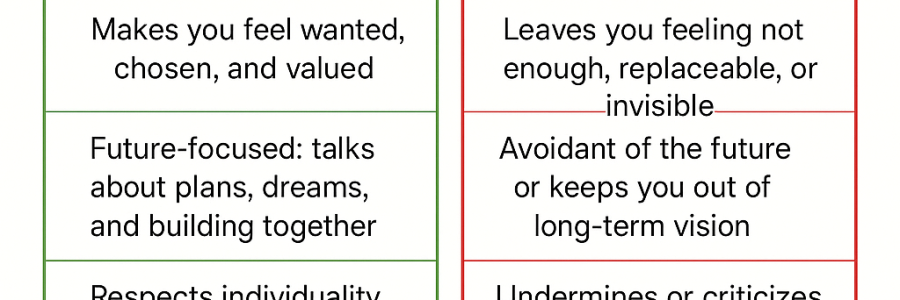
At the start, genuine interest and manipulation can feel almost identical. The difference only becomes clear when you look at patterns over time, not just how someone makes you feel in the moment. Let’s break it down in a very real, practical way: 🔍 Genuine Interest vs Manipulation ❤️ 1. Consistency vs Intensity Genuine interest: Manipulation: 👉 Key… Read More 🔍 Genuine Interest vs Manipulation

Why Some Abusive Personalities Deteriorate With Age

Research in Psychology and Neuroscience shows that some abusive or highly narcissistic personalities often become more rigid, angry, and unhappy as they grow older. This pattern is often associated with traits linked to Narcissistic Personality Disorder, though not every abusive person has the disorder. The reason has a lot to do with how their identity and emotional regulation are structured. Why Some… Read More Why Some Abusive Personalities Deteriorate With Age

Loss of Control Triggers a Psychological Crisis

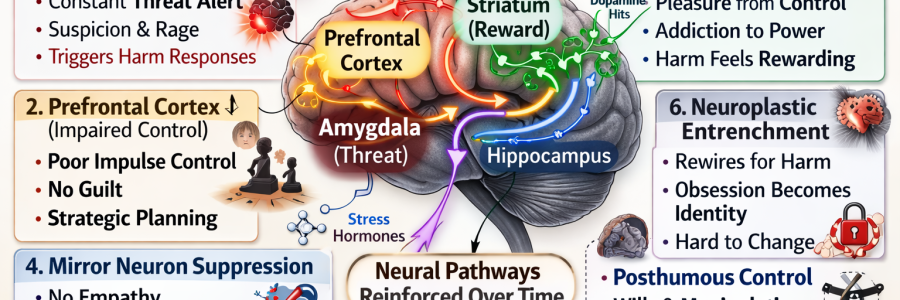
When an abusive or highly controlling long-term marriage ends, the psychological processes in the abusive partner’s brain can look very different from those in the person who experienced the abuse. Research in Psychology and Neuroscience shows several patterns that often occur. Not every abusive person reacts the same way, but there are some common dynamics. 1. Loss of Control Triggers… Read More Loss of Control Triggers a Psychological Crisis

Why You Should NOT Change Who You Are

One of the most common things people are told after experiencing manipulation, betrayal, or abuse is this: “Be more careful.”“Don’t trust people so easily.”“You’re too kind.” Over time, people begin to question their own nature. They start wondering if their warmth, empathy, openness, or optimism somehow made them vulnerable. But the truth is something very… Read More Why You Should NOT Change Who You Are

What Happens When a Narcissist Realizes They Have Lost You Forever

A clear, compassionate guide (psychology + neuroscience) for survivors and supporters When a person with strong narcissistic traits finally loses the control, attention, or relationship they depended on, their reactions are often intense, confusing, and sometimes dangerous. Understanding the typical psychological and neurological patterns can help survivors protect themselves, anticipate behaviors, and begin to heal.… Read More What Happens When a Narcissist Realizes They Have Lost You Forever

Narcissistic Collapse

What Happens Psychologically When a Controlling Personality Finally Loses Power In psychology, the term “narcissistic collapse” describes what can happen when someone with strong narcissistic or control-driven personality traits suddenly loses the power, admiration, or influence that supports their identity. For these individuals, their sense of self is often built around status, control, admiration, or dominance over others.… Read More Narcissistic Collapse