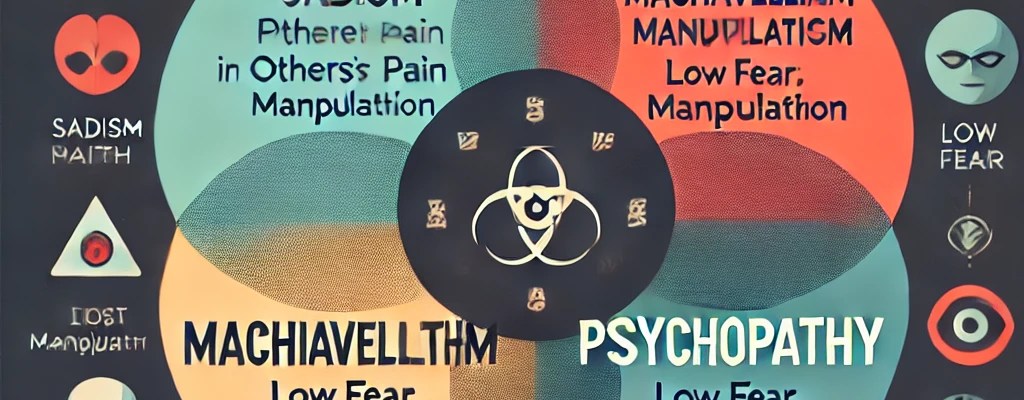
The Neuroscience and Psychology Behind Manipulation and Accountability
Lies. Tears. Claims of illness.
Cancer. Mental health struggles.
Every excuse under the sun.
These are often used to explain, justify, or deflect from behaviour that is physically, emotionally, and financially abusive.
Let’s get one thing absolutely clear:
Abuse is abuse.
It is not an illness.
It is not an excuse.
It is a pattern of behaviour—and it is a choice.
The Psychology of Excuses
From a psychological perspective, abusive individuals often rely on manipulation strategies to avoid accountability.
These can include:
- Playing the victim
- Using illness or hardship to gain sympathy
- Creating emotional confusion
- Shifting blame onto others
- Minimising or denying their actions
This is not random behaviour—it is a way of maintaining control.
When people around them accept these excuses, the behaviour is reinforced.
The Brain and Emotional Manipulation
Neuroscience helps explain why these tactics can be so effective.
The human brain is wired for empathy. When we see:
- Tears
- Distress
- Claims of suffering
…the brain activates emotional circuits, particularly in areas linked to empathy and caregiving.
This can override logical thinking.
In simple terms:
We feel first, and think later.
This is exactly what manipulation relies on.
Cognitive Dissonance and Denial
When someone harmful presents themselves as vulnerable or unwell, it creates internal conflict in the observer.
“How can someone who is suffering also be causing harm?”
This is cognitive dissonance.
To resolve that discomfort, people may:
- Believe the excuses
- Downplay the abuse
- Focus on the “good side”
- Question the victim instead
It feels easier to accept the story than to face the truth.
Abuse and Responsibility
It is important to separate two things:
👉 A person may have struggles
👉 A person may have illness
But neither removes responsibility for harmful behaviour.
Many people experience:
- Stress
- Trauma
- Illness
- Emotional pain
…and do not abuse others.
The Truth About Choice
Abuse is not a loss of control—it is often about control.
Patterns of behaviour show intention:
- Who they target
- When it happens
- How it escalates
- When it stops
This is not random. It is selective.
And that is why it cannot be explained away as illness alone.
Why the Cycle Continues
When excuses are accepted:
- Accountability disappears
- Behaviour escalates
- Victims are silenced
- The abuser is protected
And the cycle repeats.
Each excuse becomes permission.
Final Truth
Empathy is important.
Understanding is important.
But neither should be used to excuse harm.
Because at the end of the day:
Abuse is a behaviour.
And behaviour is a choice.
Not an illness.
Not an excuse.
A choice.
And until that is recognised, nothing changes.

