A Neuroscience Perspective on Blame, Denial, and Repeated Abuse
We live in a time where many women are still not believed—sometimes not even until it is too late.
And even then, the questions begin:
Why didn’t she leave earlier?
What did she do to push him that far?
This happens even when there is a clear pattern—when the same individual has harmed previous partners, ex-wives, or anyone who dared to say no.
So why does this continue?
The Pattern People Choose Not to See
When someone repeatedly harms others, the pattern is often visible.
But people do not always respond to patterns—they respond to perception.
If the person appears:
- Charming
- Successful
- Likeable
- Socially accepted
…then the brain struggles to reconcile that image with the reality of abusive behaviour.
So instead of changing the belief, many people dismiss the evidence.
The Brain and Victim-Blaming
From a neuroscience perspective, victim-blaming is often linked to the brain’s need to feel safe and in control.
If people accept that abuse can happen randomly or repeatedly without consequence, it creates discomfort and fear.
So the brain looks for ways to restore a sense of control:
- “She must have done something”
- “She could have left”
- “It wouldn’t happen to me”
This is known as the just-world bias—the belief that bad things only happen for a reason.
It protects the observer emotionally, but it harms the victim.
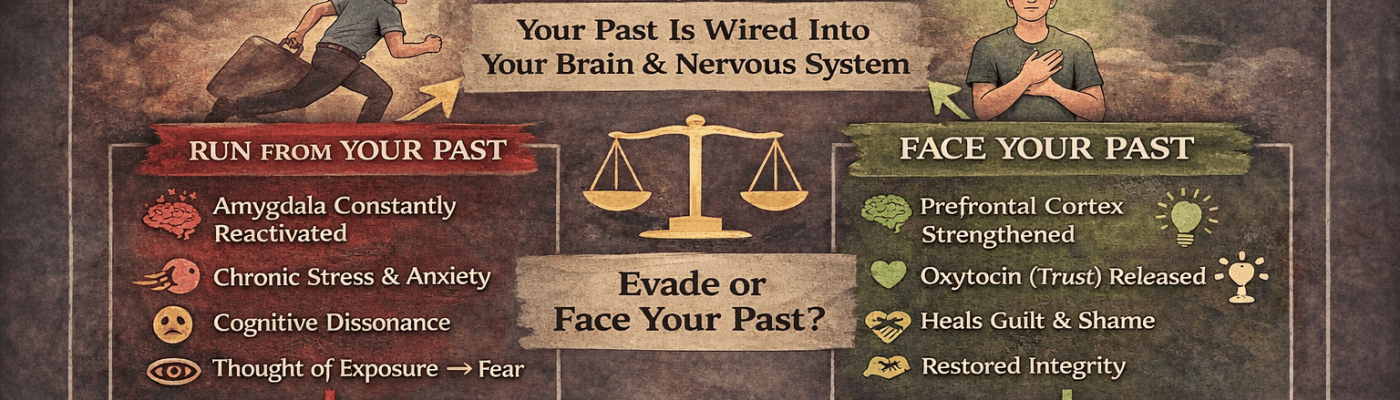
Cognitive Dissonance and Repeated Offenders
When there is a history—multiple partners, repeated behaviour—the conflict becomes even stronger.
People are faced with two opposing realities:
- “This person is good”
- “This person has caused harm multiple times”
Rather than accept the uncomfortable truth, the brain may:
- Ignore past behaviour
- Discredit those who speak out
- Focus only on the abuser’s “good side”
This is cognitive dissonance in action.
Why It Continues
When patterns are ignored:
- The behaviour is reinforced
- The abuser faces no real consequences
- New victims are created
And each time someone stays silent or questions the victim, the cycle is strengthened.
Abuse does not just continue because of the individual—it continues because the pattern is not acknowledged.
The Cost of Not Being Believed
Not being believed is one of the most damaging aspects of abuse.
It leads to:
- Isolation
- Self-doubt
- Delayed reporting
- Escalation of harm
And in the most serious cases, it can cost lives.
A Necessary Shift
Understanding the neuroscience behind denial and blame helps explain why this happens—but it does not justify it.
Awareness must come earlier.
Patterns must be recognised sooner.
And responsibility must shift away from the victim.
Because the real question is not:
Why didn’t she leave?
It is:
Why was the behaviour allowed to continue?
Final Thought
Ignoring patterns does not protect anyone.
Questioning victims does not reveal the truth.
And disbelief does not prevent harm—it enables it.
Because when repeated behaviour is dismissed, the message is clear:
Nothing will change.
Until people choose to see it.

