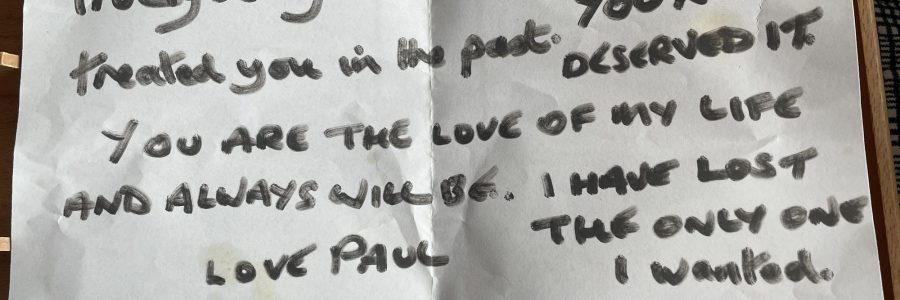
Emotional whiplash

When someone enters a new relationship before processing their previous one, and later crashes emotionally, the new partner often feels the impact deeply — and often very confusingly. Psychologically, they can become an unwitting recipient of unresolved grief. What happens to the new partner? At first, they may experience: Then suddenly… things shift. They may notice: This often feels… Read More Emotional whiplash

At first, a new relationship can feel like relief

When someone appears to move on quickly, enters a new relationship, and then crashes emotionally later, it often means the original grief was delayed, bypassed, or anaesthetised — not resolved. Psychologically, this is very common. 🧠 What happens in the beginning? At first, a new relationship can feel like relief. It provides: The brain experiences a temporary reward… Read More At first, a new relationship can feel like relief

🧠 Do men really move on faster?

It’s a common belief that “men move on faster than women” or that men often replace one relationship with another immediately (sometimes even overlapping) — but psychology and neuroscience suggest the answer is more nuanced. The short answer: it’s partly a myth, partly a difference in coping style. 🧠 Do men really move on faster? Not necessarily. Research often shows that:… Read More 🧠 Do men really move on faster?

On the Rebound: What Are the Signs? (Psychology & Neuroscience)

A rebound relationship is not automatically unhealthy. Sometimes people genuinely move on quickly. But sometimes a new relationship is being used — consciously or unconsciously — to avoid emotional pain rather than process it. Psychologically, the question is not:“How soon did they date?” It is:“What function is this new relationship serving?” 🧠 The neuroscience of rebound relationships After a… Read More On the Rebound: What Are the Signs? (Psychology & Neuroscience)

Abuse is not a “two versions of reality”

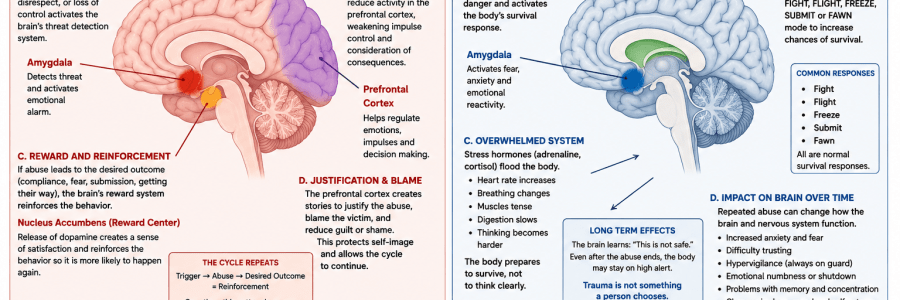
Abuse is not a “two versions of reality” situation in any meaningful moral sense.Whatever cognitive or emotional narratives people build afterwards, abuse is defined by behaviour and its impact, not by interpretation. ⚖️ The important distinction 1. Abuse is behaviour-based, not perception-based In psychology and law, abuse is identified through patterns of actions, such as: Those things… Read More Abuse is not a “two versions of reality”

Different Truths

This is one of the most interesting findings in psychology: two people can live through the same relationship and walk away with completely different “truths” about it. Not because one is necessarily lying—but because the brain doesn’t store relationships as facts. It stores them as interpreted emotional experiences. 🧠 Why two people build opposite narratives 1. Different… Read More Different Truths

Self-regulation after closeness

The distinction matters a lot because the behaviour can look identical on the surface, but the internal state and relationship outcome are very different. Here’s how psychology typically separates them: 1) Healthy “needing space” This is self-regulation after closeness, not rejection. Internal state Nervous system pattern Prefrontal CortexThe thinking brain stays online, so the person can still hold… Read More Self-regulation after closeness

 Post-intimacy nervous system shift

When someone withdraws after intense sex, psychology usually treats it less as “self-destruction” and more as a post-intimacy nervous system shift. It can look sudden, but there are several well-studied mechanisms behind it. 1. Nervous system “drop” after high arousal Sex—especially intense or emotionally charged sex—activates strong arousal systems in the brain (dopamine, adrenaline, oxytocin). After… Read More  Post-intimacy nervous system shift

Self-destruct button

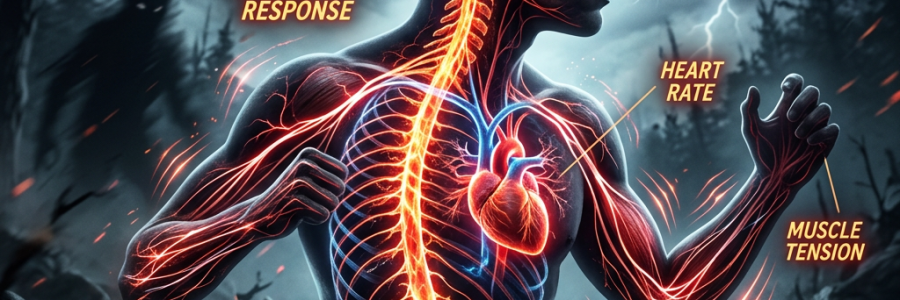
In relationships, the “self-destruct button” usually shows up as a very specific pattern: things are going well, then suddenly something inside flips and you either pull away, create conflict, or emotionally shut down. In neuroscience and psychology, this isn’t random—it’s a predictable stress response shaped by learning, attachment, and threat processing. What’s happening in the brain… Read More Self-destruct button

When People Sabotage Their Own Relationships: A Neuroscience and Psychology Perspective

One of the most painful things people experience is watching themselves — or someone they love — damage a relationship they deeply wanted. They may say: This is often called self-sabotage, but psychologically it is rarely about consciously wanting to destroy something. It is usually about protection. 🧠 The brain prefers familiar over healthy Your nervous system… Read More When People Sabotage Their Own Relationships: A Neuroscience and Psychology Perspective