When relationships are struggling, many people naturally turn to family or close friends for advice. Support from loved ones can be invaluable. It can provide perspective, comfort, and practical help during difficult times.
But not all advice is wise.
Sometimes, the loudest voices don’t calm the storm—they become part of it.
Instead of encouraging communication, accountability, or professional support, they offer emotionally charged advice:
“Teach them a lesson.”
“Make them suffer.”
“Take them for everything they’ve got.”
“You’ll find someone better.”
“Don’t let them get away with it.”
Although these comments may sound protective, they often reflect the adviser more than they reflect the relationship itself.
We Don’t Give Advice From a Vacuum
Psychology suggests that people often interpret situations through the lens of their own experiences.
Someone who has been betrayed may see betrayal everywhere.
Someone abandoned by a partner may expect every relationship to end the same way.
Someone who has never experienced a healthy relationship may genuinely struggle to recognise one.
This is sometimes described as projection—when people unconsciously attribute their own fears, unresolved emotions, or expectations to someone else’s situation.
Instead of asking, “What does this couple need?” they ask, without realising it,
“What would have made me feel better?”
Those are two very different questions.
Emotional Contagion
Emotions spread through families.
Research in psychology shows that moods, attitudes, and patterns of thinking can be contagious within close social groups.
If one family member is bitter, suspicious, or permanently angry about past events, those emotional patterns can influence others.
Before long, conversations become less about solving problems and more about recruiting allies.
The relationship is no longer just between two people.
It becomes an audience.
The Brain Under Stress Wants Certainty
Neuroscience tells us that when people are distressed, the brain often seeks quick answers.
The parts of the brain involved in threat detection become more active, while reflective decision-making can become less effective.
Simple, absolute advice can therefore feel comforting:
“Leave.”
“Never speak to them again.”
“Get revenge.”
“Teach them a lesson.”
These responses reduce uncertainty, even if they don’t reduce suffering.
Unfortunately, complex human relationships rarely improve through simple slogans.
Family Systems: Everyone Plays a Role
Family systems psychology views families as emotional systems rather than collections of individuals.
In some families, conflict isn’t resolved—it spreads.
One person’s anxiety becomes everyone’s anxiety.
One argument recruits multiple people.
One disagreement becomes a family campaign.
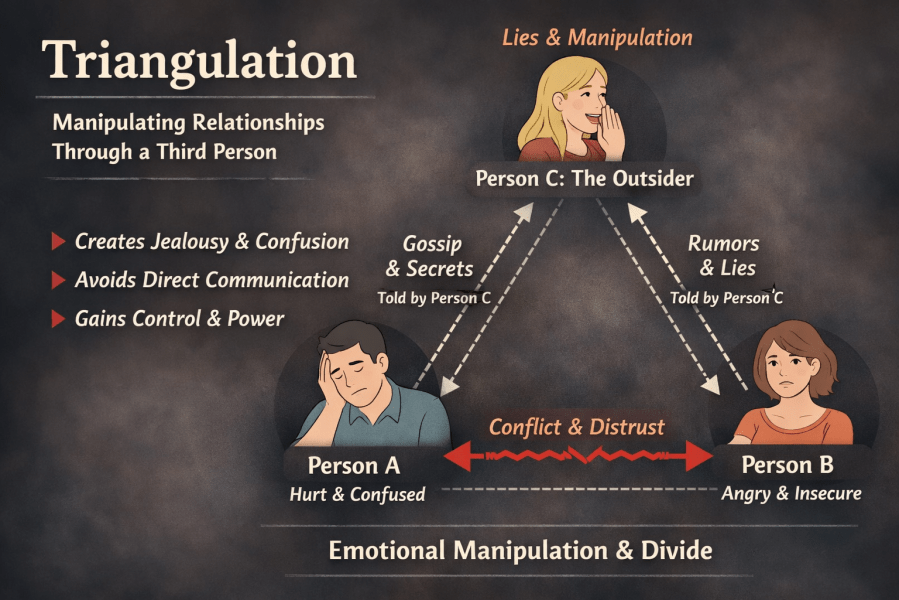
Instead of encouraging the couple to communicate directly, relatives begin interpreting messages, taking sides, collecting evidence, and reinforcing grievances.
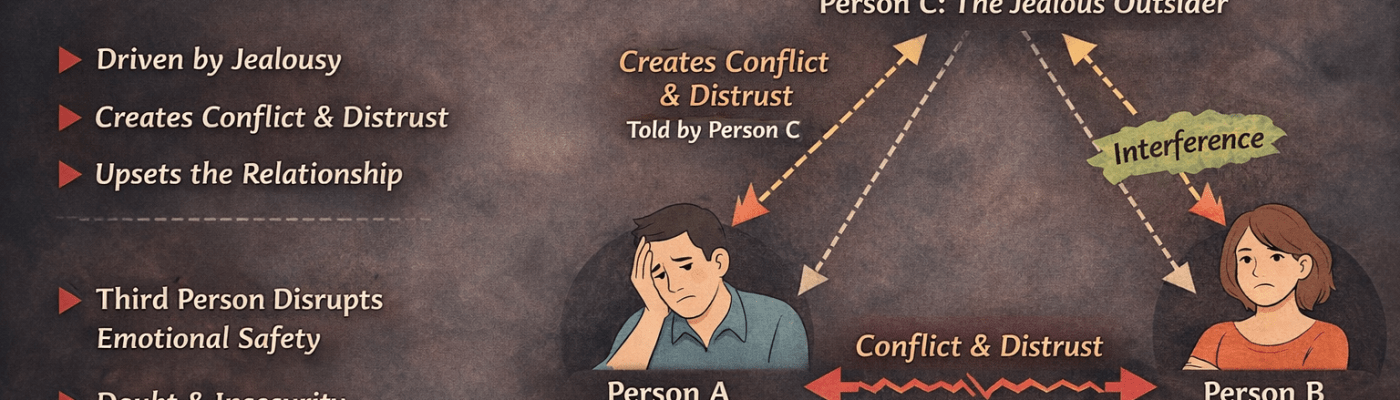
This process, often called triangulation, shifts the focus away from the relationship itself. Rather than helping two people work through.


“STOP WAITING — Do It NOW 🔥”
Stop chasing the “perfect moment” — it doesn’t exist. Everyone you look up to started scared, unsure, and broke. The only difference is they moved anyway. This is your sign to get up and do the damn thing. 💪 Tag someone who needs this today.
#Motivation #MotivationalSpeech #Mindset #SelfImprovement #Discipline #GrowthMindset #HustleHard #NoExcuses #DailyMotivation #SuccessMindset #MentalToughness #LevelUp #ShortsMotivation #Inspiration #TakeAction
LikeLike
I agree that action matters, but I’d add one important point: for people recovering from trauma, “doing it now” doesn’t always mean taking a giant leap. Sometimes the bravest thing is taking one small, safe step. Progress isn’t about perfection or speed—it’s about moving forward, however slowly. Every small step counts. 💜
LikeLike
Every post.. lots to learn.. thank you,💐
LikeLiked by 1 person
Thank you so much. 💜 That really means a lot to me. My hope is that every post helps someone understand a little more, heal a little more, or recognise that they’re not alone. Thank you for taking the time to read and for your kind words.
LikeLike