Cruelty often appears to be about power.

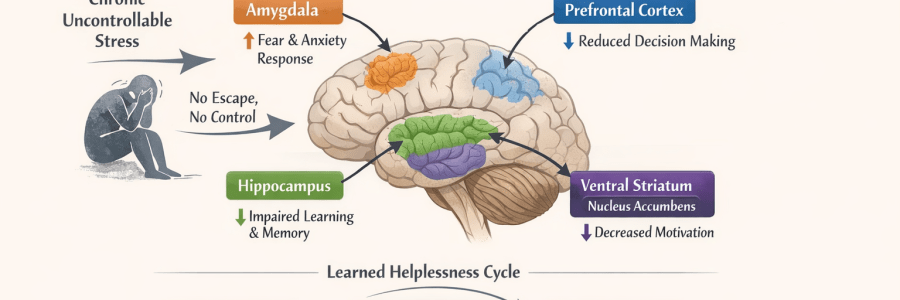
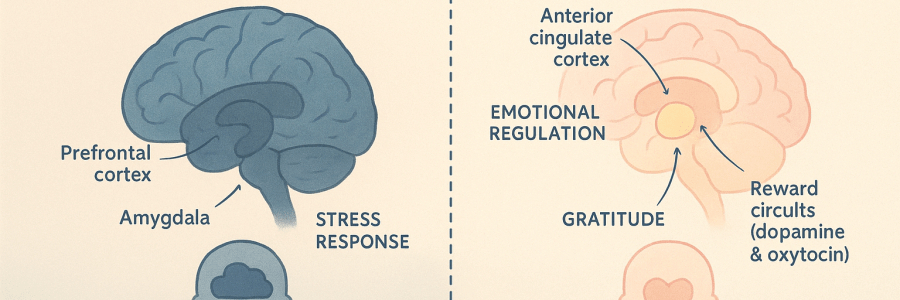
What looks like power in the momentcan quietly become limitation in the brain.Cruelty doesn’t just affect others —it reshapes the person who repeats it. Cruelty often appears to be about power.Control. Superiority.A momentary advantage over another person. But beneath that surface, neuroscience suggests something deeper is happening. The brain systems that allow us to feel… Read More Cruelty often appears to be about power.

Professional Evidence Table: Emotional & Psychological Abuse

Category of Evidence Description What It May Include Why It Matters Reliability Level Victim Contemporaneous Records Notes written close to the time of incidents Diaries, journals, dated logs, personal accounts, email-to-self records Captures immediate emotional impact and reduces hindsight distortion High Digital Communications Messages showing patterns of psychological control Texts, emails, voice notes, WhatsApp messages… Read More Professional Evidence Table: Emotional & Psychological Abuse

Why an abusive person can seem calm right after harming you

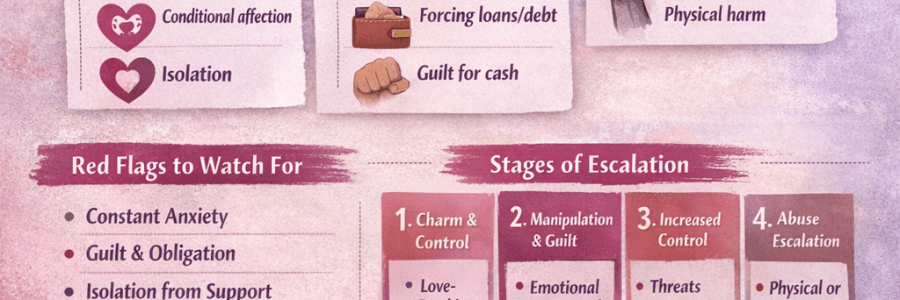
1. Their stress system just discharged Before the outburst, their brain is often in a high-alert state: When they lash out (verbally, emotionally, or physically), it can act like a release valve. So their body goes from:high stress → discharge → relief That relief can look like: 2. Your distress regulates their nervous system This is one of… Read More Why an abusive person can seem calm right after harming you

High-Risk vs Manageable Behaviour: What Professionals Look For

When psychologists or risk assessors use tools like the HCR-20 or PCL-R, they are not guessing — they are looking for specific patterns that predict escalation or persistence. 🚩 High-Risk Red Flags These are the behaviours that raise serious concern because they are linked to ongoing or escalating harm: 1. Persistence Over Time 👉 Indicates: deeply ingrained behaviour, not situational 2.… Read More High-Risk vs Manageable Behaviour: What Professionals Look For

How These Assessments Apply in Real Situations

When psychologists assess someone with patterns like: they’re not just looking at incidents — they’re looking at patterns across time, thinking style, and likelihood of change. 1. Using the HCR-20 in This Context A professional would map behaviour like this: Historical (H) They would look for: 👉 This builds a picture of whether the behaviour is situational or lifelong.… Read More How These Assessments Apply in Real Situations

The full psychological picture:

Here’s a clear, simple explanation of each of these tools — what they are, how they’re used, and what they actually assess: 1. HCR-20 (Historical, Clinical, Risk Management-20) This is a professional risk assessment tool used mainly by psychologists, psychiatrists, and forensic specialists to evaluate the likelihood of future violent behaviour. What it looks at: It is divided into… Read More The full psychological picture: