Neuroscience of Real Love

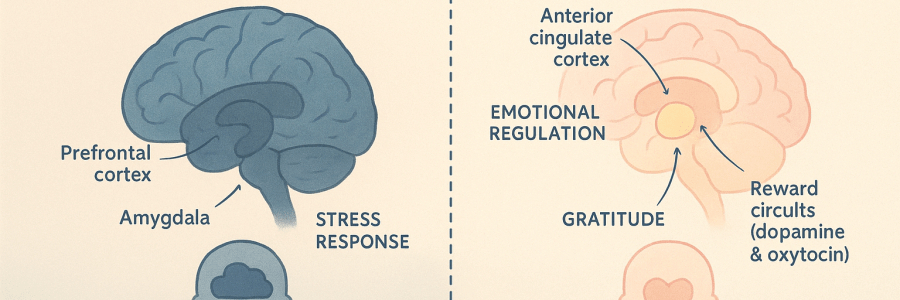
Real love is more than just butterflies or excitement—it’s a mix of neuroscience, psychology, and deep emotional patterns. Understanding it through both fields can help you distinguish authentic love from infatuation or temporary attachment. Here’s a detailed breakdown: 1. Neuroscience of Real Love Brain Regions Involved Neurochemical Signature 2. Psychological Features of Real Love Real love isn’t just… Read More Neuroscience of Real Love

Neuroscience of Feeling Unloved

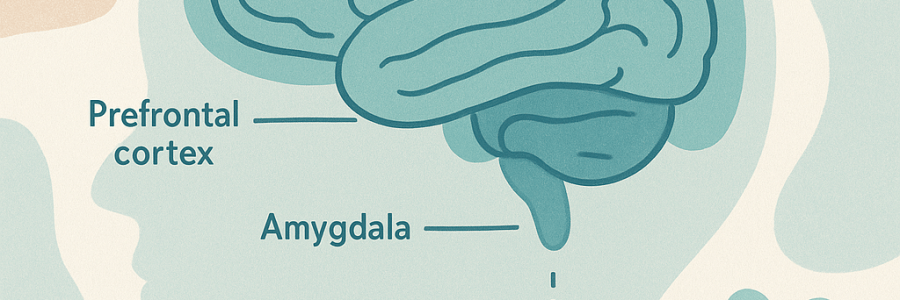
2. Psychological Factors 3. Practical Steps Backed by Science 💡 Key Insight: Neuroscience shows your brain’s wiring, shaped by past relationships, influences how you perceive love—but it is plastic. Meaning, through mindful practice, therapy, and supportive relationships, your brain can learn to recognize love more fully, and heal from the feeling that it was “never there.”

Intensity triggers the brain’s fear system

In the early stage of a relationship it is very common for someone to feel a strong connection and then suddenly pull back. Psychology and neuroscience show several reasons why this happens. 1. Intensity triggers the brain’s fear system At the beginning of attraction, the brain releases dopamine, oxytocin, and adrenaline. These chemicals create excitement, passion, and the… Read More Intensity triggers the brain’s fear system

The Energy We Give Is Often the Energy We Receive

In relationships, human behaviour often works like a mirror. What we project outward frequently comes back to us in similar form. If we communicate with warmth, openness and respect, those qualities tend to invite the same response. But when we project coldness, distance or hostility, it is not surprising when the response we receive feels… Read More The Energy We Give Is Often the Energy We Receive

Social Connection and Healthy Relationships

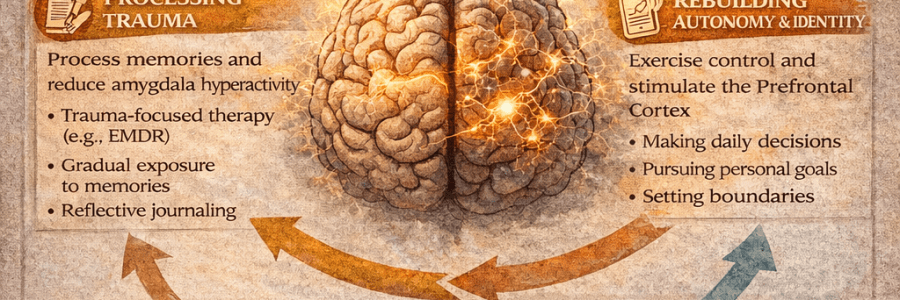
Recovering from long-term abuse is a deeply challenging process because the brain and nervous system have adapted to constant stress, threat, and control. Neuroscience and psychology highlight several key needs for survivors to heal effectively. These needs target retraining the nervous system, rebuilding self-esteem, and restoring emotional safety. Here’s a comprehensive overview: 1. Safety and Stabilization Neuroscience: Chronic abuse keeps the brain… Read More Social Connection and Healthy Relationships

Identity and Life Narrative Are Entangled

When a long-term marriage has been abusive, the emotional and neurological processes are more complex than in a normal breakup. In many cases, the person who experienced the abuse doesn’t immediately move on, even when the relationship was harmful. Research in Neuroscience and Psychology explains several reasons why this happens. 1. The Brain Has Built Deep Neural Bonds A long-term relationship… Read More Identity and Life Narrative Are Entangled

Mixed signals

Sometimes when someone pulls away, it doesn’t necessarily mean the feelings were false. In Psychology and Neuroscience, there is a pattern often linked to attachment systems in the brain. A person can feel strong emotions but become overwhelmed when those feelings start to require vulnerability or commitment. Here are three subtle signs that someone may have real feelings but becomes scared… Read More Mixed signals

The Brain’s Fantasy Mechanism

In the early stages of romance, the brain can create something psychologists sometimes call the “illusion of early love.” It feels incredibly real and powerful, but a lot of it is actually driven by temporary neurochemistry rather than deep emotional knowledge of the other person. Here’s what Neuroscience and Psychology show happens. 1. The Dopamine “Love High” When we meet someone… Read More The Brain’s Fantasy Mechanism