Why can love feel euphoric, addictive, calming, terrifying, healing, and emotionally overwhelming all at the same time?
Modern neuroscience suggests that romantic attachment is not “just emotion.” It involves complex interactions between brain reward systems, attachment pathways, stress regulation networks, memory systems, hormones, and social bonding mechanisms.
Over the last two decades, research reviews and neurobiological studies have increasingly explored how chemicals such as dopamine, oxytocin, and vasopressin influence human attachment, attraction, bonding, and relationship behaviour.
Dopamine: The Reward and Motivation System
Early romantic attraction strongly activates dopamine pathways within the brain’s reward circuitry, particularly areas linked to motivation, anticipation, pleasure, and reinforcement.
This is one reason early-stage romantic attraction can feel:
- exhilarating
- obsessive
- energising
- euphoric
- emotionally consuming
- and intensely focused on one person
Dopamine is not simply the “pleasure chemical.” It is heavily involved in:
- motivation
- pursuit
- anticipation
- reward prediction
- and emotional reinforcement
This helps explain why intense romantic experiences can sometimes resemble behavioural addiction patterns in the brain.
The uncertainty of early relationships may even increase dopamine activation further, which is why unpredictability and intermittent reinforcement can become psychologically powerful.
Oxytocin: Bonding, Trust, and Emotional Safety
Oxytocin is often referred to as the “bonding hormone” or “attachment hormone.”
It is associated with:
- physical affection
- trust
- emotional closeness
- caregiving
- sexual intimacy
- and social bonding
Oxytocin release occurs during:
- touch
- hugging
- orgasm
- eye contact
- affectionate interaction
- and emotionally connected experiences
Research suggests oxytocin helps reduce fear responses and increases feelings of emotional safety and connection.
However, oxytocin is not a magical “love chemical.” It does not automatically create healthy relationships. In some situations, it may strengthen attachment bonds even within unhealthy dynamics if emotional intensity and reinforcement are present.
Vasopressin: Pair Bonding and Protective Attachment
Vasopressin has also been linked to attachment and pair bonding, particularly in studies examining long-term partner bonding and social attachment behaviours.
Animal and human studies suggest vasopressin may play roles in:
- loyalty
- territorial bonding
- protective behaviour
- emotional attachment maintenance
- and long-term relational stability
Research into vasopressin is ongoing, but many scientists believe it contributes to the neurobiology of enduring attachment patterns.
Attachment Systems and Emotional Memory
Love and attachment are not governed by one chemical alone.
They involve interactions between:
- reward systems
- emotional memory networks
- stress regulation systems
- attachment experiences from childhood
- previous relationship history
- and current emotional environment
This is why relationships can feel profoundly healing for some people — and emotionally destabilising for others.
Our nervous systems are shaped not only by present relationships, but also by:
- past experiences
- trauma
- emotional safety
- abandonment
- trust
- rejection
- and patterns learned over years of attachment experience
Why Intense Relationships Can Feel Addictive
Neurobiological reviews suggest that intense romantic attachment activates some of the same neural pathways involved in craving and reinforcement.
This does not mean love is an addiction.
But it does explain why:
- emotional withdrawal can feel physically painful
- separation can trigger anxiety or obsessive thinking
- inconsistent affection can create powerful attachment reinforcement
- and emotionally intense relationships can become difficult to leave even when unhealthy
Intermittent reinforcement — unpredictable cycles of affection and withdrawal — can strengthen emotional attachment through reward unpredictability mechanisms within the brain.
Healthy Attachment vs Emotional Dysregulation
Strong chemistry and emotional intensity are not automatically unhealthy.
The difference usually lies in whether the relationship gradually moves toward:
- stability
- safety
- emotional consistency
- trust
- mutual respect
- accountability
- and nervous system regulation
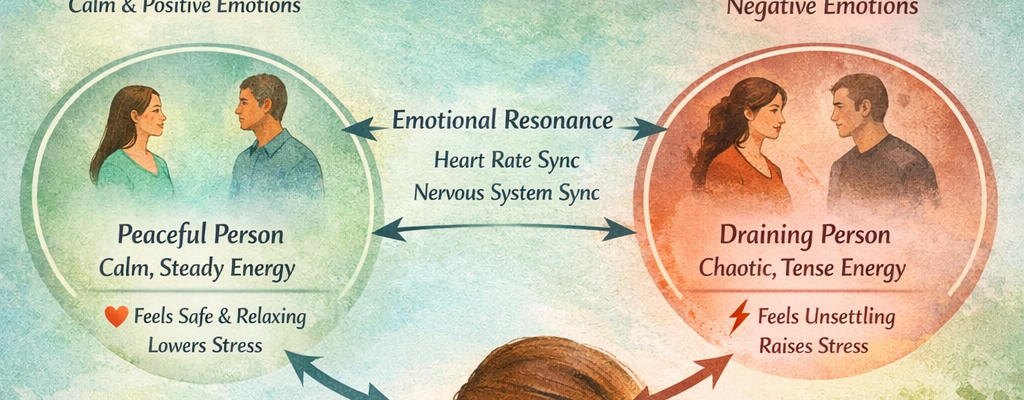
Healthy love tends to calm the nervous system over time.
Unhealthy attachment often keeps it activated.
The Most Important Insight
Perhaps one of the most important lessons from attachment neuroscience is this:
love is both biological and psychological.
Human beings are wired for connection.
But chemistry alone does not determine relationship health.
Because while dopamine may create attraction, and oxytocin may strengthen bonding, long-term emotional wellbeing still depends on:
- character
- consistency
- empathy
- emotional safety
- communication
- and mutual respect over time.
Neurobiology may explain why we attach.
But behaviour determines whether attachment becomes healing or harmful.

