Neuroscience and Psychology of Power, Persistence, and Perceived Control
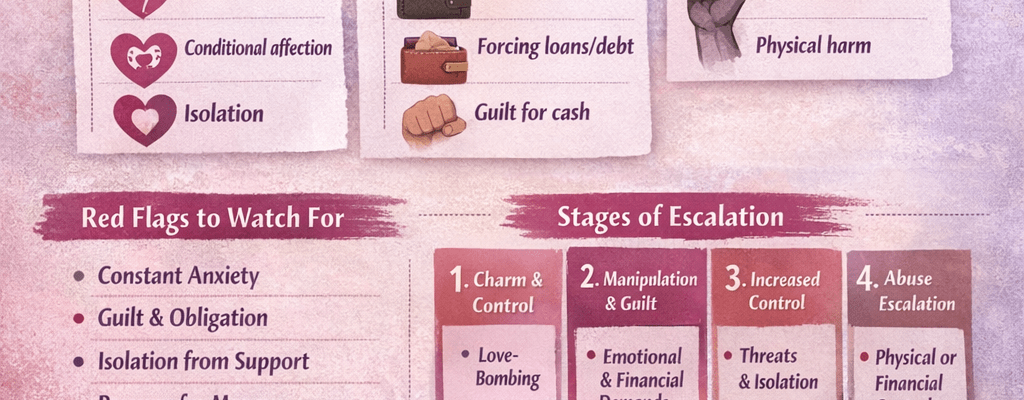
Abusive or controlling dynamics are not only expressed directly between individuals. They can also extend through systems, communication, and indirect pressure—long after physical separation or legal boundaries exist.
When control cannot be maintained in one way, it often shifts into another.
The Need to Maintain Control
From a psychological perspective, individuals who rely on control-based dynamics often struggle when that control is disrupted.
Control provides:
- Emotional stability
- Predictability
- A sense of power and identity
When control is lost, it can trigger strong internal stress responses. This is not about “winning” in a conscious sense—it is about restoring psychological equilibrium.
Neuroscience shows that perceived loss of control activates the brain’s threat response system, increasing anxiety and motivating behaviour aimed at regaining influence or certainty.
Indirect Forms of Control
When direct control is no longer possible, behaviour may shift into indirect forms, such as:
- Legal or procedural involvement
- Repeated formal contact through representatives
- Attempts to access information or spaces indirectly
- Continued presence in systems connected to the other person
These behaviours can create ongoing psychological pressure even without direct interaction.
Cognitive Dissonance and External Reality
For the person experiencing control-based behaviour, there is often a clear contrast between:
- Documented reality (legal orders, assessments, history)
- Ongoing behaviour (continued attempts to engage or influence)
This creates cognitive dissonance not only for observers, but also within the broader system around the situation.
Some people interpret continued involvement as “neutral,” while others understand it as part of an ongoing behavioural pattern.
Why Systems Become Part of the Dynamic
When legal or formal processes are involved—such as lawyers, inspections, or structured communication—they can unintentionally become part of the psychological landscape of control.
Not because the systems themselves are harmful, but because:
- They maintain connection between parties
- They extend the timeline of interaction
- They keep attention focused on the original dynamic
From a behavioural standpoint, this can prolong emotional and psychological engagement even after separation.
Neuroscience of Attachment and Resistance
The brain is highly sensitive to unresolved relational dynamics.
Even in absence, the nervous system may remain activated due to:
- Prior emotional intensity
- Repeated conflict or uncertainty
- Perceived ongoing threat or involvement
This can keep attention fixed on the situation, reinforcing the sense that the dynamic is still “active,” even when direct contact is minimal.
Behaviour vs Stated Intent
A key principle in psychology is that behaviour often carries more weight than stated intent.
Statements may suggest:
- Disinterest
- Dislike
- Distance
But behaviour may still reflect:
- Engagement
- Persistence
- Structural involvement
This mismatch is where interpretation becomes complex and often contested.
The Core Psychological Pattern
Across behavioural neuroscience, one principle remains consistent:
When control is perceived to be threatened, behaviour will adapt in ways designed to restore stability—even indirectly.
This does not always appear obvious on the surface, but it is often visible in patterns over time.
Final Reflection
Understanding these dynamics requires separating:
- Legal process from psychological impact
- Formal communication from emotional interpretation
- Physical distance from perceived control
Control-based behaviour does not always disappear when separation occurs. It can evolve, shift, or express itself through different channels.
And from a neuroscience perspective, this reflects a fundamental principle:
The brain seeks regulation, even when the external situation has changed.

