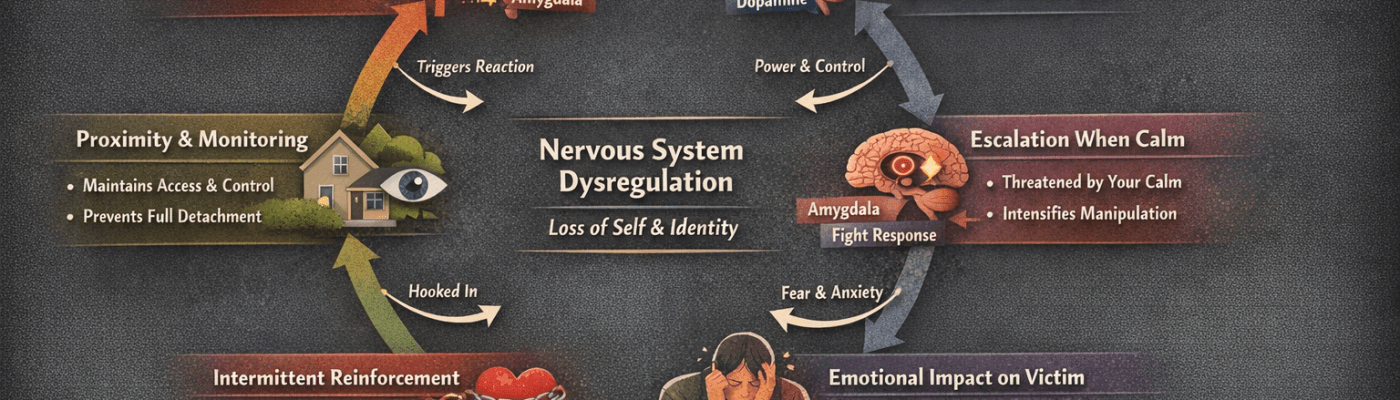
One of the most frustrating phrases survivors hear during divorce is:
“The marriage has broken down due to irreconcilable differences.”
Sometimes that is true.
People do grow apart. They fall out of love. They want different futures. Those are genuine irreconcilable differences.
But abuse is not one of them.
When a relationship ends because one person has lived through years of physical violence, psychological abuse, coercive control, intimidation, financial abuse or fear, it is not simply a case of “differences.”
It is abuse.
Calling it “irreconcilable differences” sanitises what really happened.
It turns a deliberate pattern of harmful behaviour into a mutual disagreement.
Those are not the same thing.
Abuse Is Not a Difference of Opinion
A disagreement is choosing different schools for your children.
A disagreement is arguing about where to live.
A disagreement is having different financial priorities.
Abuse is something entirely different.
Abuse is one person repeatedly choosing control over respect.
Fear over safety.
Domination over partnership.
No amount of legal language should disguise that reality.
Words Matter
Language shapes how society understands domestic abuse.
When abuse is described as “a difficult marriage” or “irreconcilable differences,” responsibility becomes blurred.
It can sound as though both people contributed equally to the breakdown.
But abuse is not a shared failure.
The responsibility for abusive behaviour belongs to the person choosing to abuse.
The Marriage Didn’t Fail—Trust Did
Healthy marriages sometimes end because two good people cannot make the relationship work.
Abusive relationships end because the foundations of marriage have already been destroyed.
Love cannot exist alongside fear.
Respect cannot exist alongside control.
Trust cannot survive repeated abuse.
The marriage did not simply “break down.”
It was damaged by abusive behaviour.
Survivors Deserve the Truth
For many survivors, hearing their years of suffering reduced to “irreconcilable differences” can feel like yet another dismissal.
It overlooks the fear.
The manipulation.
The humiliation.
The injuries.
The financial control.
The isolation.
The years spent trying to make something work that was never an equal partnership.
Survivors deserve language that reflects reality.
Because abuse is not a difference.
It is a pattern of behaviour.
And until we stop hiding abuse behind comfortable phrases, we risk minimising the lived experiences of those who have endured it.
Truth matters.
Names matter.
When abuse is the reason a relationship ends, we should have the courage to call it exactly what it is.

