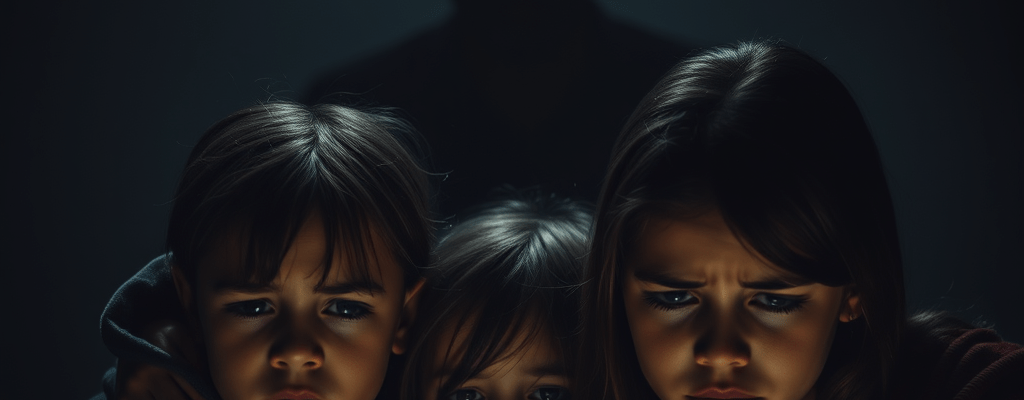
One of the most uncomfortable truths about parenting is that children learn far more from what they observe than from what they are told.
Parents may spend years teaching values, giving advice, and explaining what is important in life. Yet children are often paying closer attention to behaviour than words.
They watch how we treat people.
They watch how we handle conflict.
They watch how we speak about money.
They watch whether kindness, compassion, loyalty, and empathy are genuinely valued or simply talked about.
As adults, we are sometimes shocked by the behaviour of our children. We wonder how they became so focused on money, status, possessions, or self-interest. We question why they seem emotionally distant or uninterested in the wellbeing of others.
Sometimes those traits come from influences outside the home. Friends, relationships, social media, culture, and life experiences all play a role.
However, it is also worth asking some difficult questions.
What messages did they receive growing up?
What behaviours were modelled?
What priorities did they see demonstrated every day?
If children grow up hearing constant discussions about money, inheritance, possessions, status, and what people are worth financially, they may learn that these things are the most important measures of success.
If they rarely witness compassion, generosity, responsibility, or caring for others, they may struggle to develop those qualities themselves.
This is not about blame. Parenting is one of the hardest jobs in the world, and no parent gets everything right.
But there is wisdom in recognising that children are often mirrors reflecting aspects of the environment in which they were raised.
The difficult reality is that if an adult child appears highly materialistic, emotionally detached, or indifferent to the needs of others, those attitudes may not have appeared from nowhere.
They may have been learned.
They may have been reinforced.
They may have been rewarded.
Of course, there are exceptions. Many people reject the values they were raised with and choose a different path. Human beings are not prisoners of their upbringing.
Yet when we see consistent patterns repeated across generations, it is often worth looking beyond the individual and examining the family culture that shaped them.
Children become adults.
Adults become parents.
And values, both positive and negative, are often passed from one generation to the next.
Perhaps the greatest gift we can give our children is not wealth, property, or inheritance, but the example of kindness, empathy, integrity, and genuine concern for others. Those are the values that endure long after money has been spent.

