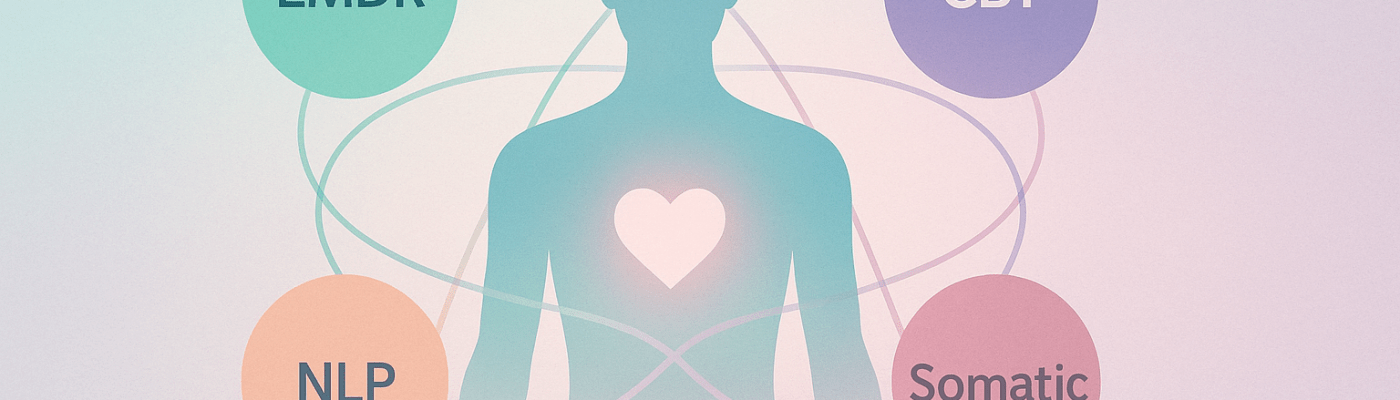
Stop the confusion. Start seeing patterns clearly.
When a relationship feels emotionally confusing, unstable, or overwhelming, it can be difficult to know what is real and what is distortion created by stress, attachment, or repeated conflict cycles.
This evidence-informed guide uses principles from Psychology and Neuroscience to help you recognise emotional safety, unhealthy patterns, and potential abuse dynamics—clearly and without overwhelm.
Why clarity feels so hard
When you are emotionally invested in a relationship, the brain does not evaluate it objectively.
Instead, multiple systems compete:
- Attachment systems seek connection
- Threat systems detect emotional risk
- Cognitive systems try to rationalise contradictions
This internal conflict can lead to:
- overthinking
- emotional confusion
- difficulty making decisions
- reliance on external opinions
You are not “overreacting”—your nervous system is processing mixed signals.
A science-based relationship clarity framework
Use this structured tool to assess patterns over time, not isolated moments.
1. Emotional safety
Ask yourself:
- I feel calm and respected most of the time
- I often feel anxious, confused, or emotionally unsettled
- I feel like I must carefully manage my behaviour or words
- I feel emotionally drained after interactions
- I feel like myself in this relationship
👉 Key insight: Emotional safety should be consistent, not occasional.
2. Behaviour patterns over time
- Problems are acknowledged and change occurs
- The same issues repeat in cycles
- Promises are made but not sustained
- Behaviour changes unpredictably
- Things feel stable and improving over time
👉 In psychology, patterns are more important than isolated positive moments.
3. Control and autonomy
- My boundaries are respected
- I feel pressured, guilted, or emotionally influenced
- I can make independent decisions
- I feel controlled, monitored, or restricted
- I feel safe expressing disagreement
👉 Loss of autonomy is a key psychological red flag.
4. Psychological impact
- My confidence feels stable or improving
- I doubt my memory, perception, or judgement
- I feel more like myself over time
- I feel emotionally smaller or less certain
- I feel clearer, grounded, and more stable
Abuse severity guide (important awareness tool)
In relational psychology, abuse is defined by pattern, power imbalance, and emotional impact, not single incidents.
Low concern
- Occasional conflict
- Emotional repair happens
- Respect mostly intact
Moderate concern
- Repeated invalidation or manipulation
- Emotional confusion and instability
- Boundaries tested or ignored
High concern
- Gaslighting or coercive behaviour
- Fear, control, or emotional dependency
- Isolation from support systems
Severe concern
- Threats, domination, or coercive control
- Persistent fear or inability to leave safely
- Loss of autonomy or psychological safety
Neuroscience: why it feels confusing
In Neuroscience, prolonged emotional stress can shift the brain into survival mode:
- Hypervigilance (constant alertness)
- Freeze response (shutdown, indecision, numbness)
- Trauma bonding (attachment to cycles of distress and relief)
These are not personality traits—they are nervous system adaptations to stress.
The key truth
In Psychology:
Healthy relationships create clarity, emotional safety, and consistency over time.
Unhealthy relationships create confusion, instability, and self-doubt over time.
Final decision filter
Ask:
- Is this situation improving or repeating?
- Do I feel more free or more restricted over time?
- Does this bring clarity or confusion?
- Am I growing into myself—or shrinking away from myself?
Take the next step toward clarity
If you recognise patterns of emotional confusion, instability, or loss of clarity in your relationships, structured reflection can help you reconnect with your own sense of reality and emotional safety.
Start your clarity process today
👉 Download the Relationship Clarity Checklist
👉 Learn how to identify emotional patterns and regain perspective
👉 Understand your nervous system’s response to relationships
Enter your email below and receive the free psychology-based checklist to help you understand emotional patterns, red flags, and relationship clarity.
relationship clarity tool, emotional abuse signs, psychology of relationships, neuroscience of attachment, toxic relationship patterns, gaslighting signs, emotional safety checklist, trauma bonding explanation, relationship red flags guide

