Where Do We Learn Gratitude, Kindness, and Manners?

Gratitude, kindness, etiquette, and manners are often seen as β€œsoft skills,” but they are foundational to human relationships. These behaviors are not innate β€” they are learned through a combination of family upbringing, cultural environment, education, and sometimes formal training. Let’s break down how we acquire them. 1. Family: The First Classroom The family is the… Read More Where Do We Learn Gratitude, Kindness, and Manners?

Age Group Preferences (Based on Studies)

Research shows thatΒ paedophiles often have specific and consistent age preferences, rather than being indiscriminate. This is well-documented in neuroscience, forensic psychology, and criminology. Let’s break it down clearly and safely: 🧠 1. Clinical and Forensic Definitions πŸ“Š 2. Age Group Preferences (Based on Studies) Research (Seto, 2008; Blanchard et al., 2012) shows clear age-based targeting patterns: Category… Read More Age Group Preferences (Based on Studies)

Tactical Guide: Presenting a Psychologist’s Report in Court

1️⃣ Structure the Report Clearly Tip: Number each section and use headings β€” judges and lawyers appreciate clear navigation. 2️⃣ Focus on Objectivity 3️⃣ Evidence Points to Include Tip: Courts value multiple sources of evidence that reinforce the psychologist’s conclusions. 4️⃣ Anticipate Challenges 5️⃣ Presentation in Court 6️⃣ Protective Measures 7️⃣ Recommended Phrasing Techniques βœ… Key Takeaway: The strongest report is neutral,… Read More Tactical Guide: Presenting a Psychologist’s Report in Court

1️⃣ Understand the Purpose of the Report

A psychologist’s report can serve multiple functions in a divorce: Courts value objective, fact-based analysis over opinionated or emotional statements. 2️⃣ Work Closely With Your Lawyer 3️⃣ Focus on Objectivity Manipulative spouses often attack the credibility of psychological evidence. To counter this: 4️⃣ Document Manipulative Patterns 5️⃣ Anticipate Challenges Manipulative spouses may: To mitigate this: 6️⃣ Submission Process 7️⃣ Protect Yourself Psychologically High-conflict divorces can… Read More 1️⃣ Understand the Purpose of the Report

Characteristics of Hidden Cruelty

β€œHidden cruelty,” β€”likely referencingΒ Alice Miller’s work on poisonous pedagogyβ€”refers toΒ subtle, socially accepted forms of harm inflicted on children that are not overtly recognized as abuse. Unlike obvious physical violence or screaming, hidden cruelty isΒ covert, psychologically manipulative, or morally justified, making it hard for both children and society to label it as abusive. Let’s break it… Read More Characteristics of Hidden Cruelty

The Importance of Early Mother-Infant Bonding

1. The Importance of Early Mother-Infant Bonding 2. Effects of an Authoritarian, Militaristic Father in Early Life 3. Psychological and Emotional Consequences 4. Neurobiological Perspective 5. Long-Term Outlook πŸ’‘ Summary Insight:Separation from a nurturing mother in the first weeks, combined with an authoritarian father, can set up a child for insecure attachment, hypervigilance, emotional dysregulation, and low… Read More The Importance of Early Mother-Infant Bonding

Β Smacking, punishment, and manipulation.

Alice Miller was one of the most outspoken voices on it. Let me expand on her ideas about poisonous pedagogy, then bring in the perspectives of other psychologists and child development experts on smacking, punishment, and manipulation. Alice Miller: Poisonous Pedagogy She argued that these experiences don’t just vanishβ€”they shape the adult psyche, often leading to suppressed… Read More Β Smacking, punishment, and manipulation.

Neurobiological self-soothing strategy,

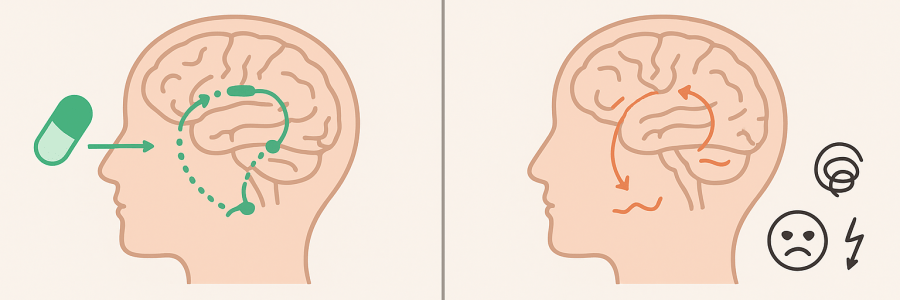
πŸ’™ β€” when toddlers rock back and forth or bang their heads rhythmically in bed, neuroscience views this behavior as self-stimulation and self-regulation. It can be completely normal at certain stages of development, but it can also signal unmet emotional or sensory needs depending on the context. Let’s break it down: 🧠 Neuroscience of Rhythmic Rocking… Read More Neurobiological self-soothing strategy,

β€œDigging Their Own Grave: Why Families Interfere β€” and Make Everything Worse”

A psychological insight into control, denial, and destruction When a relationship breaks downβ€”especially one involving abuse, control, and traumaβ€”the last thing anyone needs is a Greek chorus of interfering in-laws, whispering from the sidelines and trying to orchestrate the next act. But here we are. What could have been a straightforward legal separationβ€”a 50/50 divorce,… Read More β€œDigging Their Own Grave: Why Families Interfere β€” and Make Everything Worse”

πŸ”Ž What Is aΒ CitaciΓ³n de TestigosΒ in a Divorce Case?

In a divorce case, a citaciΓ³n de testigos (witness summons or subpoena) is a formal legal order that requires a person to appear in court and testify about matters related to the divorce proceedings. This is part of the evidentiary process in family court in Spain (or other civil jurisdictions), and it can play a crucial role in shaping the judge’s understanding… Read More πŸ”Ž What Is aΒ CitaciΓ³n de TestigosΒ in a Divorce Case?