One-sided or exploitative relationships

A classic pattern of one-sided or exploitative relationships, and both psychology and neuroscience give powerful insight into why these dynamics feel so draining and confusing. Here’s a breakdown that connects behaviour, brain science, and emotional impact 👇 ⚖️ 1. The Psychology of One-Sided Relationships People who make everything about what you can do for them often show traits linked to narcissistic or emotionally avoidant patterns:… Read More One-sided or exploitative relationships

💭 “You Don’t Miss What You Never Had”

The Psychology and Neuroscience of Absence, Longing, and Emotional Imprinting We often hear the phrase “you don’t miss what you never had” — and on the surface, it sounds simple.But in psychological and neurological terms, this truth carries layers of meaning about attachment, emotional learning, and the brain’s relationship with experience. 🧠 The Brain Only Grieves What It… Read More 💭 “You Don’t Miss What You Never Had”

🧠 When You Know What You Don’t Want:

The Neuroscience of Rebuilding Direction and Desire There comes a time when you’re certain of what no longer fits — relationships, environments, or versions of yourself that feel constraining — yet you’re not quite sure what comes next.That in-between space can feel confusing or even empty. But from a psychological and neuroscientific perspective, it’s one… Read More 🧠 When You Know What You Don’t Want:

🌿 One Year of Growth: The Neuroscience of Becoming Yourself Again

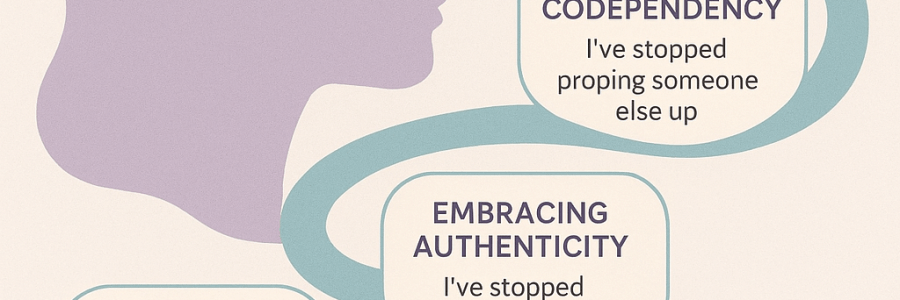
One year can change everything. Over the past twelve months, I’ve learned more about myself than in a lifetime. I’ve discovered strength I didn’t know I had — not the kind that hides behind a smile, but the quiet resilience that grows from truth, healing, and self-compassion. For years, I was the crutch for others,… Read More 🌿 One Year of Growth: The Neuroscience of Becoming Yourself Again

“One year of your life can make so much difference.”

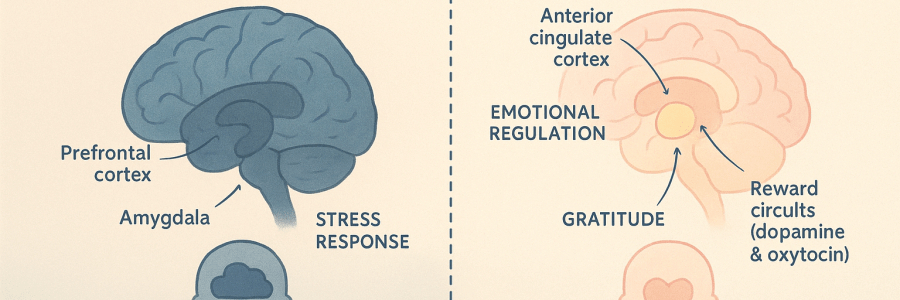
🧠 The Neuroscience and Psychology of One Year of Growth “One year of your life can make so much difference.”When you consciously choose healing, your brain’s neuroplasticity — its ability to rewire — begins to reshape how you think, feel, and relate. Every moment of self-reflection builds new neural connections for insight and self-compassion. 1. Self-Awareness: Seeing Yourself from… Read More “One year of your life can make so much difference.”

🧠 1. What happens in the brain (neuroscience perspective)

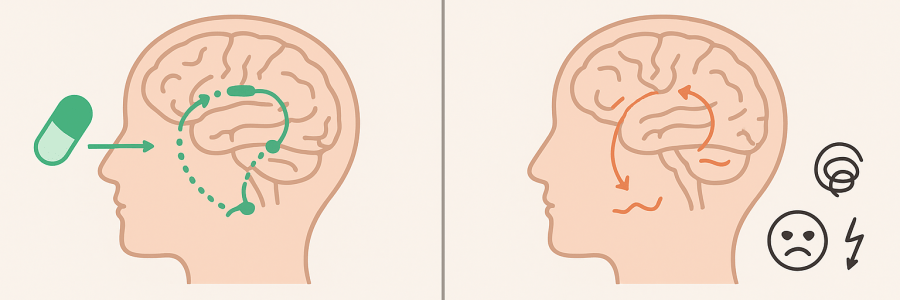
Antipsychotic medication (used for conditions like schizophrenia, schizoaffective disorder, or severe bipolar disorder) works by regulating dopamine and sometimes serotonin activity in key brain circuits — especially those involving: When you’ve been on these medications for years, your brain adapts to their presence: So, if someone suddenly stops taking the medication, the brain’s chemistry rebounds — dopamine activity can spike unpredictably.This “dopamine… Read More 🧠 1. What happens in the brain (neuroscience perspective)

Moral Equilibrium and the Brain: Regret, Empathy, and Compassion

Moral equilibrium is the inner drive to restore balance when someone feels that actions or decisions have violated their own or societal moral standards. It’s the part of us that says, “I wish I had acted differently.” Psychological Perspective From a psychological standpoint, people often experience moral regret when they recognize that an opportunity to act with empathy… Read More Moral Equilibrium and the Brain: Regret, Empathy, and Compassion

Why they switch to insults — psychology

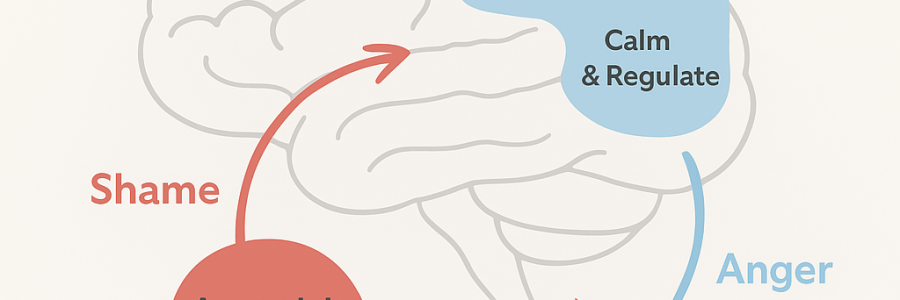
If intimidation (threats, legal bluster, looming consequences) doesn’t get the response the abuser wants, they often switch to insults and verbal abuse. Here’s a clear, short psychology + neuroscience explanation and practical guidance you can use. Why they switch to insults — psychology Why insults hurt — neuroscience (brief, cautious) Practical steps you can take

Defense Mechanisms

1. Compartmentalization 2. Cognitive Dissonance 3. Trauma and Family Dynamics 4. Emotional Blind Spots 5. Social and Moral Pressures In short: The mind and brain are remarkably capable of holding contradictions. Someone can care deeply about child welfare in society while being psychologically, emotionally, or neurologically “blind” to abuse in their own family. Fear, shame, loyalty, cognitive dissonance, trauma, and… Read More Defense Mechanisms