Defense Mechanisms

1. Compartmentalization 2. Cognitive Dissonance 3. Trauma and Family Dynamics 4. Emotional Blind Spots 5. Social and Moral Pressures In short: The mind and brain are remarkably capable of holding contradictions. Someone can care deeply about child welfare in society while being psychologically, emotionally, or neurologically “blind” to abuse in their own family. Fear, shame, loyalty, cognitive dissonance, trauma, and… Read More Defense Mechanisms

The Neuropsychology of Reclaiming Power: How Survivors Rebuild Confidence, Intuition, and Emotional Strength After Trauma

Trauma, whether from abuse, manipulation, or prolonged adversity, often leaves survivors feeling disempowered, hyper-vigilant, and emotionally fragmented. Neuroscience and psychology help explain why reclaiming personal power is both a complex and achievable process. 1. The Brain Under Trauma 2. Emotional Rebuilding 3. Reclaiming Confidence 4. Strengthening Intuition 5. Emotional Resilience 6. Practical Strategies for Reclaiming… Read More The Neuropsychology of Reclaiming Power: How Survivors Rebuild Confidence, Intuition, and Emotional Strength After Trauma

The Neuroscience of Redemption and Repair — For the Abused

When the truth finally surfaces and the mask of manipulation falls, the person who endured years — sometimes decades — of deceit and emotional abuse enters one of the most complex psychological phases: recovery. It’s not just emotional. It’s neurological.Your brain, after long exposure to manipulation, control, or fear, must literally rewire itself back to safety and… Read More The Neuroscience of Redemption and Repair — For the Abused

When the Lies Catch Up: The Neuroscience of a Life Built on Deception

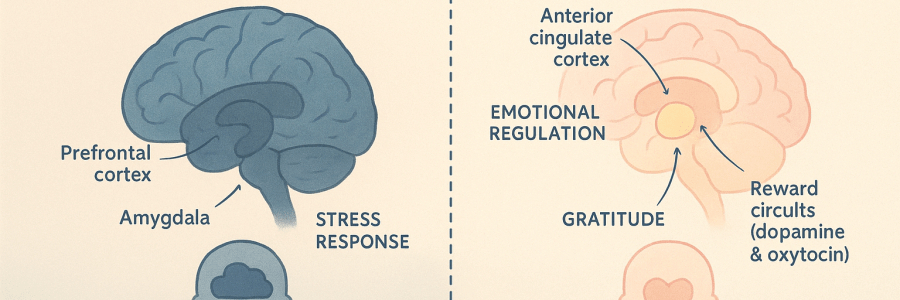
For years, some people manage to live in a world of manipulation — lying, cheating, plotting — without apparent consequence. But the human brain is not designed to sustain deception forever. Eventually, the mind, the body, and reality itself begin to close in. 🧠 The Neuroscience: Stress, Fear, and ExposureChronic deceit activates the brain’s amygdala and prefrontal cortex,… Read More When the Lies Catch Up: The Neuroscience of a Life Built on Deception

Being the “Easy-Going One”: The Neuroscience of Over-Tolerating Bad Behavior

People often say, “You’re so understanding,” “You’re easy-going,” or “Nothing seems to bother you.”But sometimes, that calm exterior isn’t peace — it’s over-tolerance, a nervous system trained to keep the peace even when you’re hurting. 🧠 The Brain Behind Being “Laid-Back” When you grow up or live in environments where conflict feels unsafe, your brain learns to minimize tension to stay protected. This… Read More Being the “Easy-Going One”: The Neuroscience of Over-Tolerating Bad Behavior

🧠 Neuroscience of Rediscovery

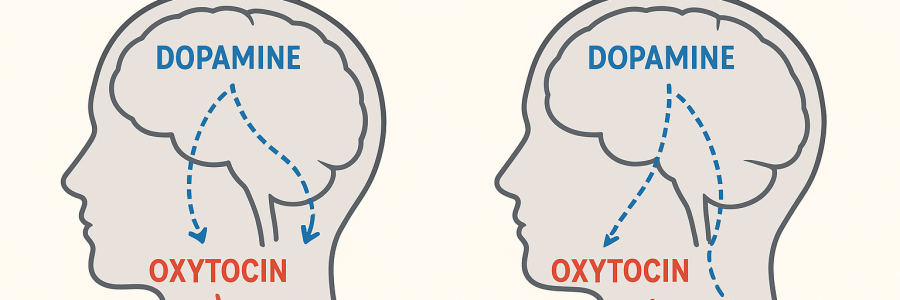
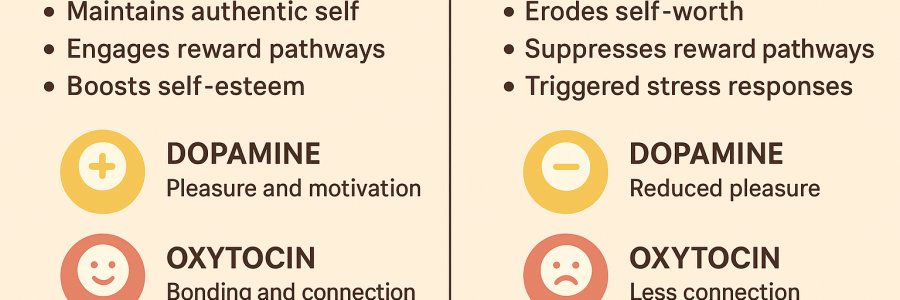
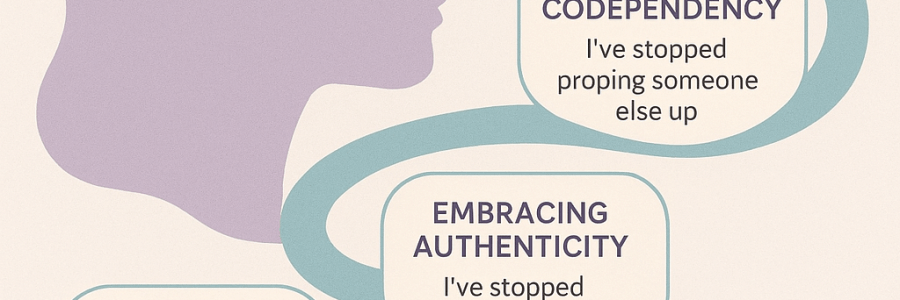
Rediscovering yourself after years of being shaped by someone else’s influence. From a neuroscience and psychological perspective, what you’re describing is a genuine process of neural and emotional liberation — your brain is literally rewiring for autonomy, pleasure, and connection. Here’s how that works: 🧠 Neuroscience of Rediscovery 💬 Psychological Perspective 🌱 Simple Practices to Strengthen This Growth

“Playing the victim”

“Playing the victim” as a chronic psychological defense pattern, often seen when someone feels loss of control, guilt, shame, or fear of exposure. Let’s unpack it from both a neuroscientific and psychological perspective. 🧠 Neuroscience: What’s happening in the brain When people feel cornered or their image threatened, the brain’s threat system (amygdala, hypothalamus, and periaqueductal gray) activates. This triggers a cascade of stress… Read More “Playing the victim”

When “Concern” Turns into Surveillance: The Neuroscience of Hidden Control

When someone has taped your phone, planted a hidden camera, or placed a tracker on your car, it’s not love — it’s surveillance.These actions are meant to dominate, not protect. From a neuroscience perspective, this kind of violation rewires the brain’s safety systems. The moment we sense that our privacy has been invaded, the amygdala — the brain’s fear… Read More When “Concern” Turns into Surveillance: The Neuroscience of Hidden Control

💬 Communication & Repair in New Relationships

Neuroscience and Psychology of Emotional Safety When a new relationship begins, it’s not just chemistry and attraction at play — your nervous system is watching closely. It’s scanning for safety cues: Can I be myself here? Can I speak honestly without fear? Will I be punished, ignored, or understood when conflict arises? These early patterns of communication and… Read More 💬 Communication & Repair in New Relationships