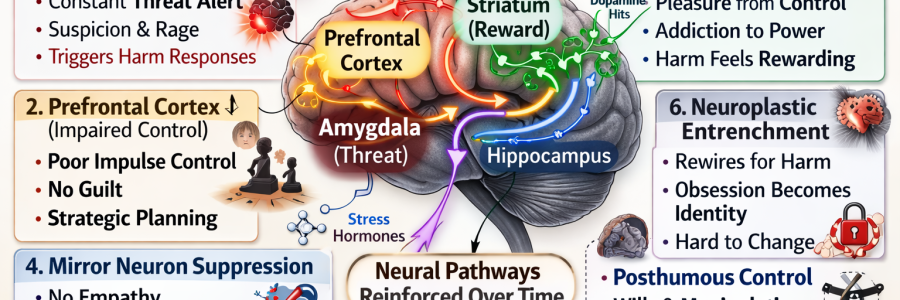
Stop Trying to Understand the Abuser: The Science of Letting Go

There is a point in every abusive dynamic where the focus quietly shifts. At the beginning, you try to understand: You analyse, adjust, tolerate, and try again. But this is where many people get trapped. Because the focus stays on them. Why You Try to Understand Them From a Psychology perspective, this is not weakness—it’s patterning. Humans are… Read More Stop Trying to Understand the Abuser: The Science of Letting Go

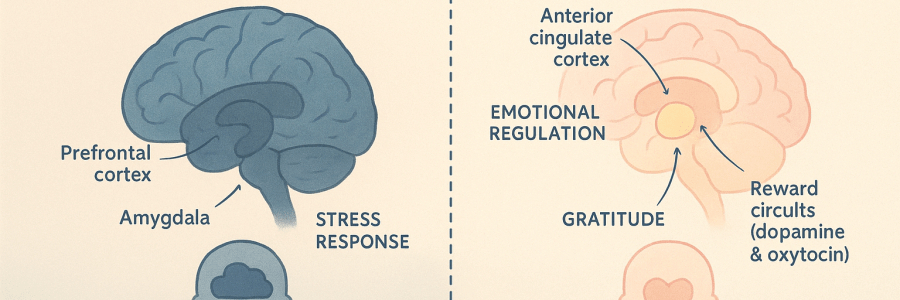
You Were Never Meant to Stay in Survival Mode

From Trauma to Re-Engagement There comes a point after prolonged stress, emotional abuse, or repeated loss where something shifts quietly inside you. You stop reacting the way you used to.You stop expecting things to change.You stop reaching forward. From the outside, it may look like calm. Stability, even. But internally, it feels like something else… Read More You Were Never Meant to Stay in Survival Mode

What people usually mean by “God’s waiting room”

“God’s waiting room” isn’t a formal term in Neuroscience or Psychology—it’s a metaphor people use in everyday language. But it points to some very real psychological and neurological states. Colloquially, it often refers to: But beyond the literal, it’s often describing a mental and emotional experience. The psychology behind it In psychology, this idea connects to a few key… Read More What people usually mean by “God’s waiting room”

When Control Overrides Logic: The Psychology Behind Property Sale Sabotage

From the outside, it looks irrational. A property has been pushed onto the market for months. Pressure builds. Urgency is created. Deadlines are imposed. The message is consistent: we must sell, and we must sell now. Then, finally, the outcome arrives — a full asking price offer. And yet… the deal stalls. No signature. No movement.… Read More When Control Overrides Logic: The Psychology Behind Property Sale Sabotage

On Staying the Course: When Delay Stops Being a Distraction

There comes a point in any long, high-friction process where something quietly shifts. Not in the situation itself — but in perspective. What once felt urgent, reactive, and emotionally charged begins to look more structured. Less personal. More mechanical. A sequence rather than a story. The Cost of Constant Delay In extended negotiation or legal… Read More On Staying the Course: When Delay Stops Being a Distraction

The Negotiation Circus: A Case Study in the Moving Goalpost Effect

There are negotiations that feel structured, linear, and predictable. And then there are negotiations that feel like: “Yes 👍 … just kidding 🙂 … actually no … wait yes … but also no … but let’s revisit this later.” Welcome to the circus. Act One: The Confident “Yes” The opening act is always smooth. “Yes,… Read More The Negotiation Circus: A Case Study in the Moving Goalpost Effect

High-conflict negotiations or controlling interpersonal dynamics.

A few relevant concepts: 1. Coercive control (behavioural pattern, not a diagnosis)This is when one party keeps influence over another by creating uncertainty, dependency, or repeated disruption of progress. In practical terms it can look like: The effect is often stress, exhaustion, and loss of momentum. 2. Intermittent reinforcement (reward system effect)From a neuroscience perspective,… Read More High-conflict negotiations or controlling interpersonal dynamics.

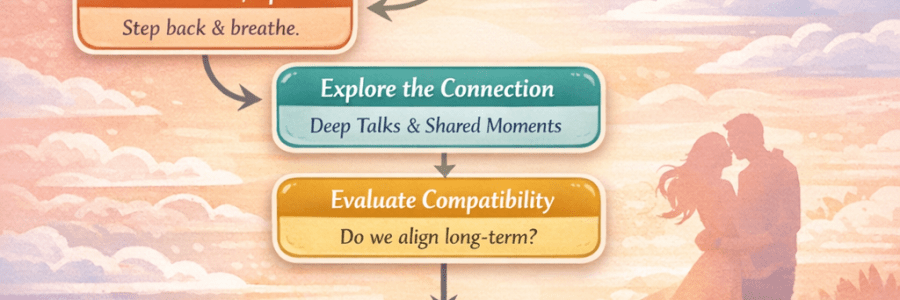
When Is It Safe to Date Again After a Long-Term Abusive Relationship?

Leaving a long-term abusive relationship is not just a physical transition—it is a deep emotional and neurological one. Many people find themselves asking: When is the right time to date again? There is no fixed timeline. Healing is not measured in weeks or months. Instead, the answer lies in your internal state, not external pressure. From both… Read More When Is It Safe to Date Again After a Long-Term Abusive Relationship?

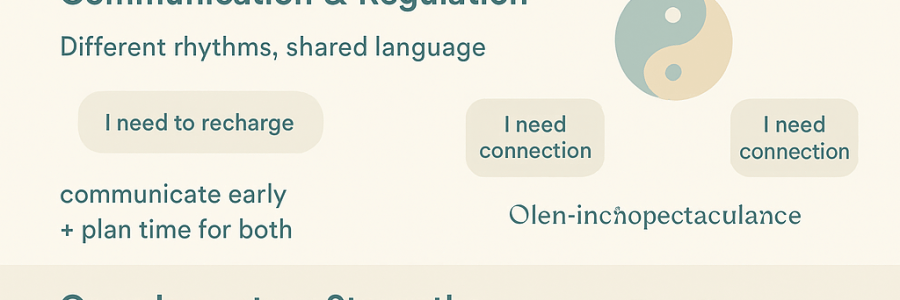
Can You Heal Through Dating? The Psychology Behind Love and Emotional Growth

In a world where connection is often just a swipe away, many people wonder whether dating can help them heal from past relationships, emotional wounds, or patterns that no longer serve them. It’s a natural question—because relationships are where many of our wounds are created, it seems logical that they might also be where healing… Read More Can You Heal Through Dating? The Psychology Behind Love and Emotional Growth