Why Thinking Isn’t Enough: The Difference Between Mental and Body-Based Healing

Many people believe that healing comes from understanding—analysing the past, gaining insight, and making sense of what happened. And while awareness is important, it is often not enough. This is where many people feel stuck. They understand their patterns.They can explain their experiences.They know why they feel the way they do. And yet, nothing truly… Read More Why Thinking Isn’t Enough: The Difference Between Mental and Body-Based Healing

When a Woman Chooses Peace Instead of Another Man After Abuse… It’s Not a Phase. It’s a Nervous System Exit.

There comes a moment after abuse — physical, emotional, or financial — when something inside a woman quietly changes. Not dramatically.Not with a speech.Not with a revenge arc or a new man on standby. Just a very calm internal announcement: “I’m done here.” And it doesn’t mean: It means something far more permanent: Peace has… Read More When a Woman Chooses Peace Instead of Another Man After Abuse… It’s Not a Phase. It’s a Nervous System Exit.

What happens in women after intimacy

🔥 1. Dopamine: reward system (same core mechanism) During intimacy in women: After orgasm: 👉 This is similar to men. But in women, dopamine is often more tightly linked with emotional context, not just physical release. 💞 2. Oxytocin: stronger and longer-lasting in women Women typically release higher and more sustained oxytocin levels than men. Oxytocin is responsible… Read More What happens in women after intimacy

Why Behaviour Can Change After Intimacy (Neuroscience Explained)

One of the most confusing experiences in relationships is noticing a change in emotional availability after intimacy. Someone may feel close, attentive, or emotionally present before or during sex, and then appear more distant, withdrawn, or detached afterwards. This shift can feel personal — but in many cases, it is rooted in neurobiology rather than… Read More Why Behaviour Can Change After Intimacy (Neuroscience Explained)

When Cruelty Feels Rewarding

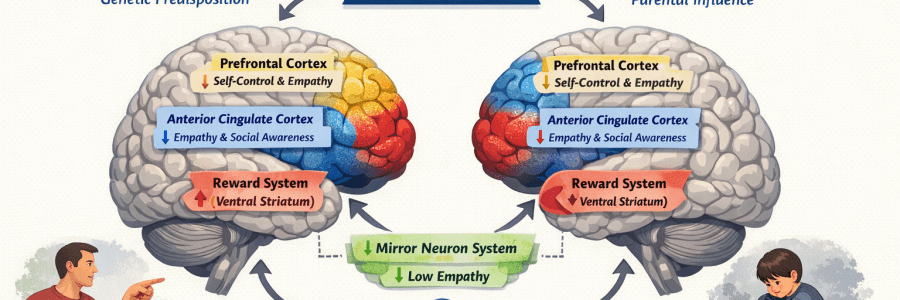
The Neuroscience and Psychology of Sadistic Behaviour Most people feel distress when they see someone else in pain. But not everyone. For some individuals, another person’s discomfort, fear, or humiliation does not trigger empathy—it triggers something very different. It creates reward. When Empathy Is Reversed In healthy emotional functioning, the brain responds to others’ pain with… Read More When Cruelty Feels Rewarding