🌍 Sell Up and Go – A New Life on the Other Side of the World ✨✈️

There are moments in life when you know deep down: something has to change.When the weight of the past is too heavy, when the place you live carries too many scars, when the air you breathe is filled with memories you no longer want. For many survivors of abuse, the bravest thought is also the simplest:💭 What… Read More 🌍 Sell Up and Go – A New Life on the Other Side of the World ✨✈️

🌍 Moving to the Other Side of the World to Break Free ✈️💔➡️❤️

Sometimes the only way to save yourself is to put oceans, borders, and time zones between you and the person who has been hurting you. For many survivors of abuse, leaving isn’t just about walking out the door—it’s about breaking free from the invisible chains of fear, control, and manipulation. I almost did it once… Read More 🌍 Moving to the Other Side of the World to Break Free ✈️💔➡️❤️

Why Sex and Abuse Don’t Mix: The Neuroscience and Psychology Behind Lost Desire

When someone has lived under the control of an abuser—whether the abuse is emotional, physical, sexual, or financial—the idea of sex often becomes the last thing they want to think about. Many survivors describe not only a loss of desire, but also a deep aversion to sex, even in safe relationships later on. This isn’t weakness, and it… Read More Why Sex and Abuse Don’t Mix: The Neuroscience and Psychology Behind Lost Desire

From Trauma to Transformation: Join Me in Spain for a Healing Retreat

I know how it feels.I have lived with trauma for 32 years.I have breathed it for decades. I know the weight it carries, the way it drains your spirit, the way it convinces you that life will always feel this way. But I also know something else—I know that healing is possible. Because I’ve done… Read More From Trauma to Transformation: Join Me in Spain for a Healing Retreat

Healing Emotional Trauma: Rewire Your Brain at Our Retreat in Spain

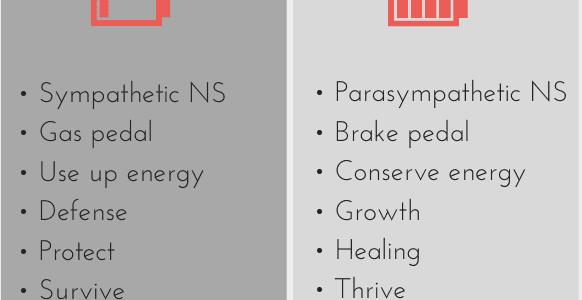
Emotional trauma can leave deep imprints—not only on the heart, but on the brain and body as well. When we’ve been through prolonged stress, loss, or abuse, the nervous system can become stuck in survival mode. Thoughts spiral negatively, emotions feel overwhelming, and a constant state of tension can make peace seem out of reach.… Read More Healing Emotional Trauma: Rewire Your Brain at Our Retreat in Spain

Life After Abuse: Same Routines, Different Freedom

When people leave an abusive relationship, outsiders sometimes imagine that their life becomes instantly unrecognizable—new hobbies, new social circles, a completely new identity. But the truth is often quieter and more profound. For many survivors, the external routines remain the same: the same home, the same hobbies, the same daily responsibilities. What changes isn’t always… Read More Life After Abuse: Same Routines, Different Freedom

Can Untreated Attachment Issues Lead to Abuse?

A Neuroscience Perspective Attachment is the first language of the human brain. From the moment we are born, the way our caregivers respond to our cries, needs, and emotions literally wires our nervous system. When that attachment is secure, a child learns safety, regulation, and trust. But when early attachment is inconsistent, neglectful, or traumatic—and… Read More Can Untreated Attachment Issues Lead to Abuse?

🔬 How Attachment Issues Lead to Shame & Anger in Adults

💙 — deep shame and unresolved anger in adulthood often trace back to early attachment issues. Neuroscience shows that the first years of life are when the brain’s relational blueprint is formed, and if a child’s caregivers are inconsistent, neglectful, frightening, or rejecting, those early experiences can wire the brain for mistrust, self-blame, and dysregulated emotions. Let… Read More 🔬 How Attachment Issues Lead to Shame & Anger in Adults

1. Attachment is Biological, Not Just Emotional

💙 — when a baby is separated from their birth mother (whether due to maternal health issues, hospitalization, or adoption), it can have profound effects on early attachment, because the brain is wired to expect continuous, responsive caregiving in those first weeks and months. Let me explain from a neuroscience and psychological perspective: 🧠 What… Read More 1. Attachment is Biological, Not Just Emotional

🔬 Early Attachment from a Neuroscience Perspective

Early attachment issues are one of the most important areas where neuroscience and psychology meet, because the way a child bonds (or struggles to bond) with caregivers literally wires their brain. Let me unpack this in a neuroscience-based way: 🔬 Early Attachment from a Neuroscience Perspective 1. The Brain’s “Attachment Circuitry” 2. Stress and the HPA Axis… Read More 🔬 Early Attachment from a Neuroscience Perspective