Recovering from trauma or difficult life experiences is rarely linear. Emotional ups and downs, confusion, and uncertainty are normal, but what often helps most is the people you surround yourself with. Spending time with supportive friends and family isn’t just comforting—it can actively regulate your emotions, reinforce healthy coping strategies, and complement professional therapy.
Why Connection Matters
Humans are social beings. When recovering from trauma, isolation can amplify feelings of fear, doubt, and emotional overwhelm. Consistent, reliable connections provide:
- Emotional Regulation: Being around people who are calm, understanding, and consistent can help stabilize your mood. Their presence can act as a mirror, showing that your emotions are valid and manageable.
- Perspective and Guidance: Trusted friends or family can help you see situations clearly when your mind is clouded by past trauma.
- Reinforcement of Therapy: Social support complements therapy, helping you apply strategies learned in sessions to real-life situations.
- A Sense of Normalcy: Trauma can disrupt your sense of safety and routine. Regular, predictable interactions with loved ones remind you that life still has stability.
Who to Spend Time With When Unsure
Sometimes it’s hard to know whom to lean on, especially if relationships have been inconsistent or if you feel misunderstood. Consider these guidelines:
- Choose Consistency Over Quantity: One or two reliable people are better than a large group of unpredictable acquaintances.
- Seek Availability: Friends or family who check in regularly, listen without judgment, and show patience are invaluable.
- Observe Emotional Impact: Notice how interactions make you feel. Safe people leave you feeling calmer, understood, and supported, not drained or confused.
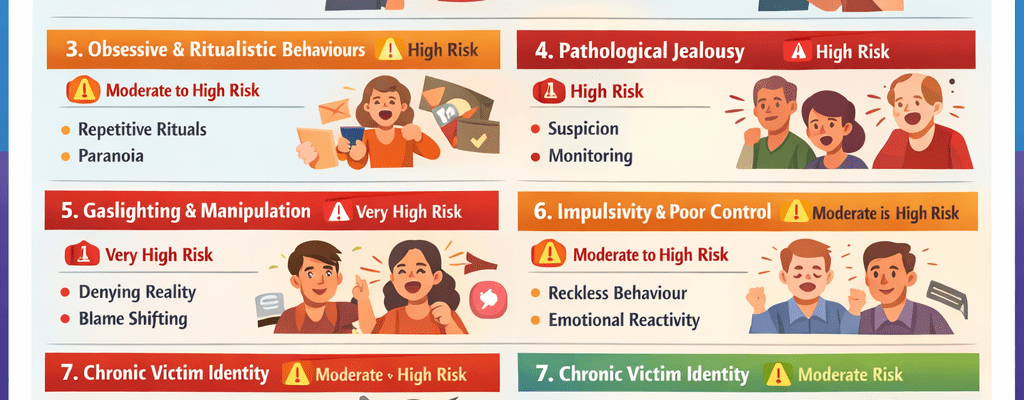
- Avoid Emotional Rollercoasters: People who provoke extreme highs and lows may disrupt your healing process.
- Professional Insight: Sometimes your therapist can guide you on which relationships are safe to engage with during recovery.
Practical Tips for Maintaining Balance
- Set Boundaries: You can enjoy connections without overextending yourself. It’s okay to say no when you need rest or space.
- Plan Regular Interactions: Even brief, predictable check-ins or shared activities can anchor your emotional well-being.
- Engage in Shared Activities: Meals, walks, games, or hobbies with supportive people help create positive associations and rebuild trust.
- Reflect After Social Time: Notice how you feel afterward. Are you calmer? Energized? More hopeful?
Remember
Healing is a journey, and the people around you can either help or hinder that journey. Surround yourself with those who are present, consistent, and compassionate, and allow yourself to step back from relationships that feel destabilizing. Emotional recovery thrives in safe, nurturing spaces—sometimes that’s with family, sometimes with friends, and sometimes with both.
 Linda C J Turner | Trauma Therapist & Emotional Healing Specialist