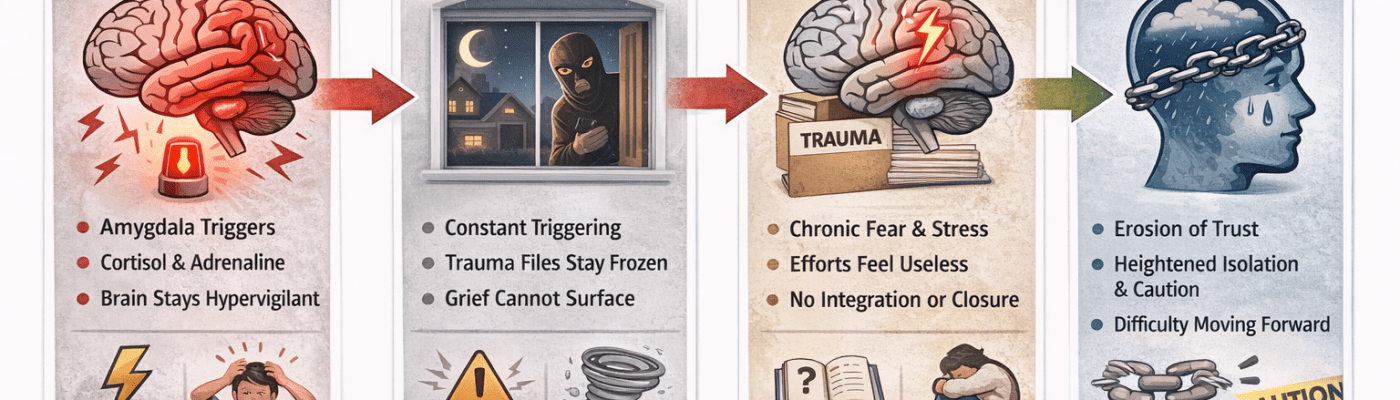
High-risk behaviour profiles describe patterns of thinking, emotional regulation, and behaviour that significantly increase the likelihood of psychological harm, emotional abuse, coercive control, and physical violence within relationships.
These patterns are not personality flaws.
They are deeply ingrained nervous system and psychological survival strategies — often rooted in trauma, attachment disturbance, or maladaptive control systems.
Understanding these profiles empowers:
- Early recognition
- Boundary protection
- Abuse prevention
- Trauma recovery
🔴 Core High-Risk Psychological Indicators
1. Emotional Volatility & Rage Dysregulation
Key signs:
- Sudden anger
- Explosive reactions
- Disproportionate rage
- Rapid mood shifts
- Verbal aggression
- Intimidation
Psychology:
- Nervous system locked in threat mode
- Poor emotional regulation
- Low frustration tolerance
- Fear-based anger responses
Risk level: 🚨 Very High
Strong predictor of physical and emotional abuse.
2. Coercive Control Patterns
Key signs:
- Monitoring behaviour
- Isolation tactics
- Micro-control of daily activities
- Rules & restrictions
- Surveillance behaviours
- Dominance dynamics
Psychology:
- Insecurity masked as control
- Fear of abandonment
- Power-based relating
- Attachment disturbance
Risk level: 🚨 Extremely High
Primary driver of domestic abuse dynamics.
3. Obsessive & Ritualistic Behaviours Linked to Anxiety or Paranoia
Key signs:
- Repetitive rituals
- Symbolic actions
- Superstitious behaviours
- Safety rituals
- Paranoid ideation
- Hypervigilance
Psychology:
- Chronic fear activation
- Compulsive attempts to create control
- Dysregulated threat perception
Risk level: ⚠️ Moderate → High
Escalates dramatically when paired with rage or control behaviours.
4. Pathological Jealousy & Possessiveness
Key signs:
- Suspicion
- Accusations
- Monitoring communications
- Isolation from friends/family
- Extreme insecurity
Psychology:
- Attachment trauma
- Abandonment fear
- Control through surveillance
Risk level: 🚨 High
Strong predictor of escalating abuse and violence.
5. Gaslighting & Psychological Manipulation
Key signs:
- Denying reality
- Blame shifting
- Distorting facts
- Minimising harm
- Rewriting history
Psychology:
- Power-based relating
- Ego defence
- Control preservation
Risk level: 🚨 Very High
Leads to severe psychological injury.
6. Impulsivity & Poor Behavioural Control
Key signs:
- Reckless behaviour
- Poor frustration tolerance
- Rapid emotional reactions
- Difficulty delaying gratification
Psychology:
- Prefrontal cortex under-regulation
- Emotional immaturity
- Low impulse inhibition
Risk level: ⚠️ Moderate → High
Especially dangerous when combined with anger and entitlement.
7. Chronic Victim Identity & Externalised Blame
Key signs:
- Everyone is against them
- Never accountable
- Constant grievance narratives
- Persistent resentment
Psychology:
- Shame avoidance
- Ego protection
- Emotional immaturity
Risk level: ⚠️ Moderate
Escalates when paired with entitlement and anger.
🧠 Most Dangerous Combination (Highest Risk Profile)
🚨 Rage + Control + Obsessive Thinking + Abuse History
This profile strongly predicts:
- Escalating violence
- Coercive control
- Severe emotional abuse
- Physical harm
This combination requires professional intervention and protective distancing.
Neuroscience of High-Risk Behaviour
High-risk profiles show:
- Amygdala hyperactivation (fear + threat)
- Prefrontal cortex suppression (poor regulation)
- Dopamine imbalance (reward-seeking & impulsivity)
- Cortisol dysregulation (chronic stress)
- Autonomic nervous system instability
This creates:
👉 Reactive behaviour instead of reflective response.
🚩 Early Warning Signs in Dating & Relationships
- Intensity very early
- Emotional flooding
- Love-bombing
- Possessiveness
- Control disguised as care
- Rapid emotional dependence
- Jealousy framed as passion
- Boundary resistance
🛡 Trauma-Informed Safety Rule
Confusion is a red flag.
Fear is a warning.
Walking on eggshells is danger.
Healthy connection feels:
- Calm
- Clear
- Stable
- Predictable
- Respectful
❤️ Trauma-Informed Reframe for Survivors
If you were drawn into a high-risk dynamic:
This does not mean:
- You are weak
- You caused it
- You allowed it
- You failed
It means:
👉 Your nervous system learned survival patterns under threat.
Healing restores choice.
🌱 Healing After High-Risk Relationships
Recovery focuses on:
- Nervous system regulation
- Boundary rebuilding
- Trauma processing
- Attachment repair
- Emotional safety restoration
- Self-trust recovery
✨ Final Words
High-risk behaviour patterns are predictable, recognisable, and preventable.
Awareness creates:
- Protection
- Empowerment
- Freedom
- Healing
If you have experienced emotionally or physically abusive relationships, trauma-informed therapy can help restore safety, confidence, and nervous system balance.
🌿
 Linda C J Turner | Trauma Therapist & Emotional Healing Specialist