People are not born cruel.
Cruelty is learned, reinforced, and practiced over time.
From a neuroscience perspective:
- Infants are born with capacity for empathy
- Empathy circuits (mirror neurons, anterior insula, ACC) strengthen with attuned caregiving
- Cruelty emerges when those circuits are:
- neglected
- overridden by fear
- rewarded for dominance, humiliation, or control
Cruelty becomes conditioned behavior, not an innate trait.
How Cruelty Becomes Reinforced in the Brain
When someone harms another person and experiences:
- relief
- power
- pleasure
- control
- emotional regulation
…the brain releases dopamine.
Over time:
- Pain inflicted on others → reward
- Empathy → inconvenient or threatening
- Dominance → self-soothing
This is why cruelty can escalate if unchecked.
Can Long-Term Cruelty Be Fixed?
It depends — and the conditions are strict.
Cruelty can be modified if:
- The person recognises the behavior
- There is no ongoing reward for cruelty
- They experience meaningful consequences
- They engage in long-term, specialised therapy
- They are motivated by loss, not guilt
Cruelty is unlikely to change if:
- The person denies harm
- They externalise blame
- They feel justified
- They enjoy the suffering
- They retain access to power, control, or victims
Important truth:
Cruelty does not heal through insight alone.
It only changes when reward pathways are disrupted.
Do Cruel People Know They Are Cruel?
This varies by psychological profile.
Many cruel people:
- Do not label themselves as cruel
- Reframe behavior as:
- “honesty”
- “discipline”
- “truth-telling”
- “tough love”
- Believe the victim “deserves it”
Some do know — and don’t care.
Especially when cruelty brings:
- status
- fear-based compliance
- emotional regulation
Common Examples of Cruelty in Relationships
Cruelty is not just physical. It often looks like:
- Withholding affection to cause distress
- Enjoying emotional breakdowns or tears
- Public humiliation or mockery
- Silent treatment used as punishment
- Gaslighting someone into self-doubt
- Weaponising children, finances, or health
- Deliberately breaking boundaries repeatedly
- Smiling, joking, or feeling calm while the other suffers
Cruelty is defined by intent + impact, not tone.
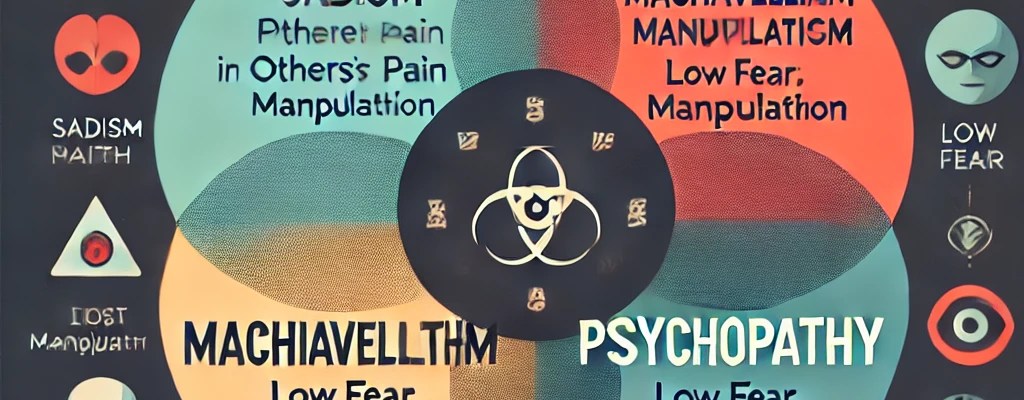
Cruelty vs Sociopathy vs Psychopathy
(Plain-language clinical comparison)
| Feature | Cruelty (Learned Pattern) | Sociopathy | Psychopathy |
|---|---|---|---|
| Empathy | Suppressed or eroded | Inconsistent, shallow | Severely impaired or absent |
| Origin | Learned & reinforced | Developmental + environment | Strong neurobiological component |
| Emotional Response | Can feel pleasure from harm | Reactive, volatile | Cold, controlled |
| Guilt/Remorse | Possible but often avoided | Minimal, situational | Largely absent |
| Awareness of Harm | Often reframed or denied | Knows, justifies | Knows, indifferent |
| Change Possible? | Sometimes with strong conditions | Limited | Very rare |
| Relationship Pattern | Control, punishment, dominance | Exploitation, instability | Manipulation, predation |
| Motivation | Power, regulation, validation | Impulsivity, resentment | Control, boredom, gain |
Key distinction:
Cruelty can exist without sociopathy or psychopathy — but when cruelty is enjoyed, escalated, and unremorseful, overlap increases.
The Core Truth
Cruelty feels like control —
but neurologically, it shrinks the capacity for connection.
Over time:
- Empathy circuits weaken
- Attachment deteriorates
- Relationships become transactional
- Genuine joy becomes inaccessible
Cruel people often end up:
- isolated
- feared, not loved
- emotionally impoverished
- reliant on domination to feel alive
That is the real cost of cruelty.
 Linda C J Turner | Trauma Therapist & Emotional Healing Specialist
Gosh!! Loads to get my teeth into. I was having a similar topic of conversation with my wife just yesterday. I will enjoy reading and comparing notes 😀
LikeLiked by 1 person
Interesting timing — these conversations often surface when something is ready to be examined more closely. I hope the piece gives you plenty to reflect on.
LikeLike
Good morning Paul, most people are not born cruel.
Cruelty usually develops from early emotional wounds, unmet needs, insecure attachment, trauma, or learned survival strategies.
Some people may be born with higher emotional reactivity or lower empathy, but how care, safety, and boundaries are experienced in early life shapes how those traits express themselves.
In other words:
Cruel behaviour is usually learned, adapted, or defensive — not innate.
Looking forward to hearing what you and your wife discover as you compare notes.
LikeLiked by 1 person