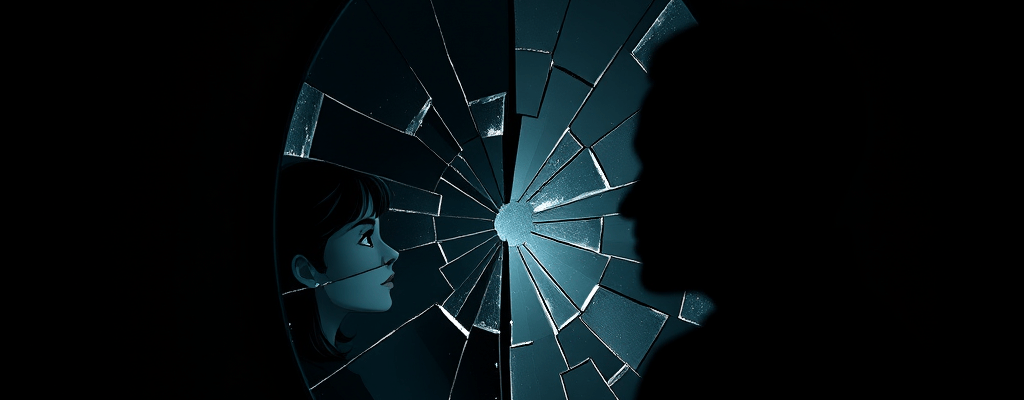
When someone consistently chooses cruelty and meanness over kindness and compassion, their legacy becomes one of pain, broken relationships, and long-lasting emotional scars. The impact of such behavior ripples outward, affecting ex-partners, siblings, children, grandchildren, and even the broader community. This legacy is not just about the harm caused during the person’s lifetime but also about the enduring effects on those left to pick up the pieces.
What Does a Legacy of Cruelty Look Like?
Cruelty and meanness manifest in various ways—manipulation, emotional abuse, neglect, physical harm, or consistent devaluation of others. While the abuser may rationalize their behavior or dismiss its severity, the people in their orbit often carry the weight of these actions for years, sometimes for a lifetime.
Ex-Partners: The Pain of Emotional Debris
Ex-partners often emerge from these relationships scarred by manipulation, betrayal, and emotional abuse. Many spend years rebuilding their sense of self-worth, often grappling with feelings of shame, guilt, or inadequacy.
- Broken Trust: An ex-partner who endured a cruel relationship may find it challenging to trust others again. The constant devaluation and manipulation they experienced can make them wary of forming new bonds.
- Emotional Exhaustion: Living with cruelty takes a toll, leaving ex-partners emotionally drained and struggling to reclaim their autonomy and joy.
- Ripple Effects: If there are shared children, the toxicity can continue post-separation, with the ex-partner navigating manipulative co-parenting dynamics or shielding their children from ongoing harm.
Siblings: Strained Bonds and Lingering Resentments
Cruelty within sibling relationships often creates lasting divides. The legacy may be one of estrangement, bitterness, and unresolved pain.
- Rivalry Turned Toxic: Cruel siblings may exploit rivalry to assert dominance or diminish their brothers and sisters, leaving lasting feelings of inadequacy or resentment.
- Erosion of Support: Siblings often represent a source of lifelong support, but cruelty can erode these bonds, leaving individuals without the comforting presence of familial solidarity.
- Generational Impact: Strained sibling relationships can extend into future generations, with children of estranged siblings missing out on potential family connections.
Children: Growing Up in the Shadow of Cruelty
For children, growing up under the shadow of cruelty can have profound and lasting effects. Whether the cruelty is directed at them, their other parent, or siblings, the emotional wounds often carry into adulthood.
- Low Self-Worth: Children subjected to consistent criticism, neglect, or devaluation often internalize these messages, leading to struggles with self-esteem and self-worth.
- Strained Relationships: Many children of cruel parents struggle to form healthy relationships in adulthood, often repeating toxic patterns or isolating themselves for fear of being hurt again.
- Longing for Love: Even in the face of cruelty, children may yearn for their parent’s love and approval, creating a painful cycle of hope and rejection.
- Breaking the Cycle: Some children become determined to break free from their parent’s toxic legacy, investing in their healing and vowing to raise their own children differently.
Grandchildren: Inheriting the Echoes of Cruelty
Grandchildren may experience cruelty in more indirect ways, but the legacy can still shape their lives.
- Emotional Distance: If their parents suffered under a cruel grandparent, the grandchildren may grow up in a household shaped by emotional wounds and strained relationships.
- Family Estrangement: Cruelty often fractures families, leaving grandchildren disconnected from extended relatives and missing out on the sense of belonging and history that a strong family can provide.
- Intergenerational Healing: Some grandchildren may find themselves on the frontlines of family healing, working to reconcile the past while creating a better future.
What to Expect from a Legacy of Cruelty
- Estrangement and Isolation
Cruelty often drives people away. Ex-partners, siblings, children, and even grandchildren may choose to distance themselves for their emotional safety. Over time, the individual who perpetuated the cruelty may find themselves isolated, cut off from meaningful relationships. - Bitterness and Resentment
For those left in the wake of cruelty, feelings of anger and resentment may linger for years. These emotions can poison familial bonds and prevent reconciliation, even after the abuser has passed away. - A Reputation of Harm
A legacy of cruelty lives on through stories, memories, and emotional scars. Others may remember the person not for their achievements but for the pain they caused. This reputation can overshadow any positive contributions they may have made in other areas of their life. - Generational Trauma
Cruelty creates cycles of pain that are often passed from one generation to the next. Children and grandchildren may struggle with the emotional residue of abuse, repeating patterns or working tirelessly to break free from them. - Opportunities for Healing
While the effects of cruelty are deeply damaging, they also create opportunities for survivors to grow, heal, and rebuild. Many ex-partners, siblings, children, and grandchildren use their experiences as a catalyst for personal transformation, developing resilience and a commitment to kindness.
Choosing a Different Legacy
For individuals who recognize cruelty in their own behavior, it is never too late to change. Acknowledging the harm done, taking accountability, and committing to personal growth can repair relationships and shift the narrative. Kindness, humility, and a willingness to make amends can pave the way for healing, even in deeply fractured families.
For those affected by a legacy of cruelty, healing often begins with setting boundaries, seeking support, and reclaiming their narratives. Therapy, support groups, and self-reflection can help survivors process their experiences and build lives rooted in compassion and connection.
Conclusion
A legacy of cruelty is a heavy burden, one that leaves scars on every relationship it touches. However, the story does not have to end with pain. Whether through personal transformation or generational healing, there is always a chance to rewrite the narrative. Kindness, accountability, and the courage to break cycles of harm can create a new legacy—one of love, respect, and hope for future generations.
 Linda C J Turner | Trauma Therapist & Emotional Healing Specialist