Romantic Love + Reward / Motivation Systems

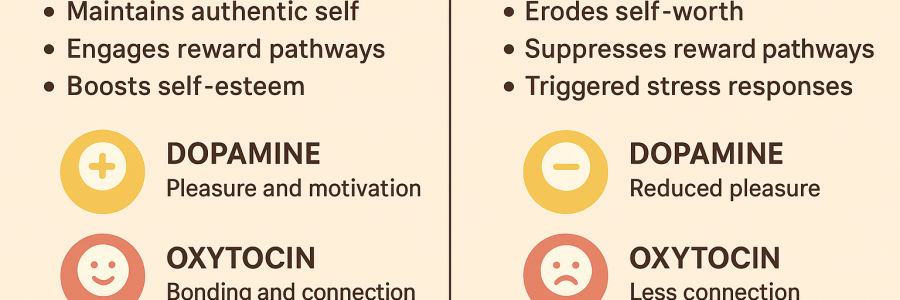
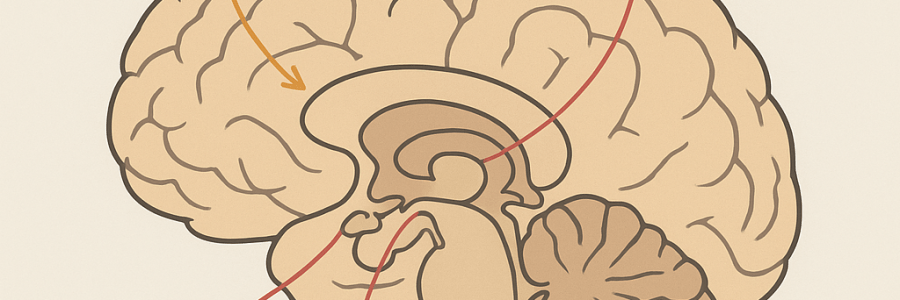
An fMRI study of a neural mechanism for mate choice (Fisher et al., 2005) This fMRI study found that when people thought of or looked at their beloved, brain areas in the dopaminergic reward pathways (specifically the ventral tegmental area [VTA] and the caudate nucleus) were active. PubMed+2PMC+2 The authors concluded that “romantic love” functions as… Read More Romantic Love + Reward / Motivation Systems

1. Financial abuse within relationships

According to the National Network to End Domestic Violence (NNEDV), “financial abuse occurs in 99% of domestic violence cases.” NNEDV+1 Example: forbidding someone to work, hiding or controlling finances, restricting access to bank accounts. NNEDV+1 There is a strong link between lack of financial autonomy (income, assets) and vulnerability to such abuse. London Met Repository+1 2. Economic abuse… Read More 1. Financial abuse within relationships

Predatory Opportunism

When behavior signals predatory opportunism, not genuine connection. It is not accidental, and it is not about you. 🧠 Pattern Breakdown 1. Early vulnerability used as an entry point “I’m sick… I don’t have insurance…” This is manufactured urgency.It invites rescue before trust exists. ✅ Healthy people solve early problems without testing your resources. 2. Asset-scanning questions “Do you own the house?”… Read More Predatory Opportunism

Relief vs. Calm — What’s the difference?

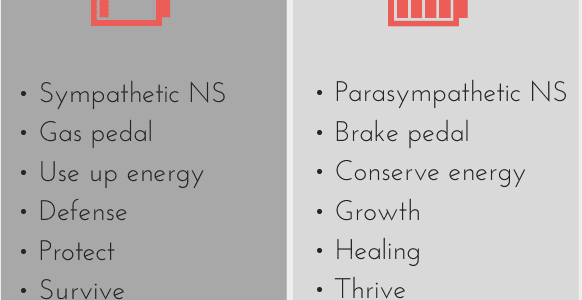
Relief Relief is a reactive physiological‑emotional state. It occurs when a stressor or threat diminishes or ends. For example: you finish a difficult project, get through an argument, narrowly avoid a danger. The tension, vigilance or threat drops and you feel “whew”—that’s relief. In nervous‑system terms, relief often means that your sympathetic (“fight/flight/alert”) system was active or… Read More Relief vs. Calm — What’s the difference?

Transactional relationships driven by money and security

When people live with someone primarily for financial gain or a luxury lifestyle, the relationship quietly shifts from connection to transaction. Affection becomes currency. Tolerance replaces boundaries. Harm is excused not because it isn’t felt, but because survival—or comfort—feels more urgent than integrity. From a neuroscience perspective, this dynamic is not accidental. The human brain… Read More Transactional relationships driven by money and security

When Relief Feels Like Love

When you’ve experienced emotional neglect, betrayal, or manipulation, your body adapts before your mind does. Your attachment system—designed to seek safety and predictability—lowers its standards. What once counted as “basic decency” starts to feel like security. The nervous system quietly revises the rules. In this state, not being hurt can register as being loved. When someone is merely… Read More When Relief Feels Like Love

Self Erasure

At some point, many people notice a quiet shift in their relationships. Conversations stop being mutual. Listening fades. What replaces it is agenda—people focused less on connection and more on what they can extract from a situation. This is how many relationships become transactional. Some people are interested only in favors, free help, emotional labor,… Read More Self Erasure

Freedom After Decades of Abuse: The Neuroscience of Choice and Self-Determination

IntroductionSurvivors of long-term abuse often experience a profound psychological weight. Decades of emotional, physical, or relational trauma can shape not only beliefs and behaviors but also neural architecture. Emerging from such a context into a space of autonomy—symbolized here by “having no ring on your finger”—can trigger complex emotional, cognitive, and neurobiological responses. Psychological Perspective… Read More Freedom After Decades of Abuse: The Neuroscience of Choice and Self-Determination

Healthy Reciprocity: Building Safety and Reward in Relationships

Reciprocity is the backbone of trust, emotional safety, and attachment. It works because your brain and nervous system are wired to seek predictable, rewarding interactions. 1. The Neurochemistry of Reciprocity When someone consistently responds to your needs — emotionally, physically, or socially — your brain releases key neurochemicals: Neurochemical Role Effect on Relationships Oxytocin Bonding hormone Promotes… Read More Healthy Reciprocity: Building Safety and Reward in Relationships