Reclaim Your Space — A Neuroscience & Psychological Perspective
When you remove the remnants of an abusive relationship and take control of your living space, you are doing much more than tidying up. You are engaging in a profound act of neurobiological and psychological self-reclamation. The space you inhabit directly interacts with your brain, body, and nervous system — influencing how safe, calm, and empowered… Read More Reclaim Your Space — A Neuroscience & Psychological Perspective

Letting Go!

Life has a strange way of opening up only when your nervous system stops running in survival mode.When you’re anxious, fearful, or desperate, your brain goes into threat response — fight, flight, or freeze.In that state, you can’t see clearly, you can’t choose calmly, and you can’t receive anything new.Your whole system is focused on protecting you,… Read More Letting Go!

A Year of Freedom: What It Really Looks Like When You Finally Get Your Life Back

People say I’ve changed this past year.They say I look lighter… happier… me again.I didn’t understand what they meant at first — because when you’ve lived inside control for decades, freedom doesn’t feel like freedom.It feels like confusion.It feels like guilt.It feels like you’re doing something wrong. But this year, everything shifted. I shop now without panic… Read More A Year of Freedom: What It Really Looks Like When You Finally Get Your Life Back

Sociopathy vs Psychopathy:

Understanding the Crossover 1. Both fall under the same umbrella: Antisocial Personality Disorder (ASPD) Think of ASPD as the wider category.“Sociopathy” and “psychopathy” are subtypes or patterns within it. So yes — they can look similar.But they develop differently and behave differently. 2. The Key Difference: Sociopathy = emotional dysregulation.Psychopathy = emotional disconnection.** Sociopathy usually involves: intense emotions anger outbursts… Read More Sociopathy vs Psychopathy:

Why Someone Would Choose to Love or Stay With a Known, Diagnosed Sociopath

1. Sociopathy is not always abusive A diagnosis is not a destiny.Many sociopathic individuals can be: stable loyal consistent protective charismatic highly supportive People stay because the relationship is not always bad — sometimes it’s genuinely functional. 2. Sociopaths can be incredibly charming and compelling Their strengths often include: charisma confidence directness emotional steadiness intelligence boldness presence… Read More Why Someone Would Choose to Love or Stay With a Known, Diagnosed Sociopath

Early Warning Signs:

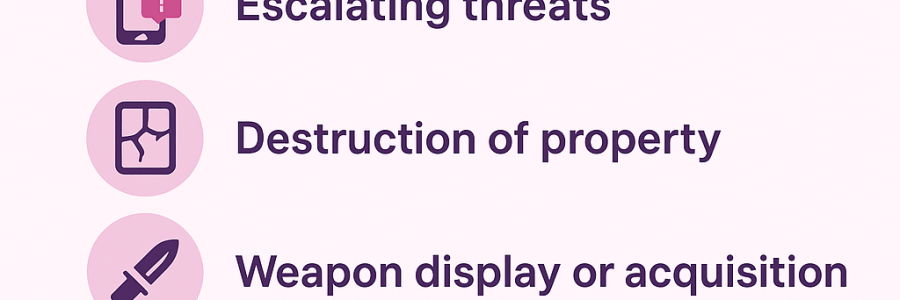
“How to Spot Sociopathy Turning Towards Anger or Abuse”** These signs don’t mean someone is sociopathic — and sociopathy alone doesn’t guarantee abuse.These are behavioural red flags, not diagnostic markers. They indicate when someone’s emotional wiring + unregulated anger is creating a dangerous pattern. **⚠️ EARLY WARNING SIGN 1 Anger with no build-up**Sudden, explosive, disproportionate reactions to: questions… Read More Early Warning Signs:

When Sociopathy Goes Wrong: How Anger Becomes Abuse

Sociopathy (ASPD traits) by itself does not automatically lead to abuse or violence.Many sociopathic people live calm, structured, pro-social lives. But certain combinations of traits can create a volatile system — especially when unregulated anger gets added.It’s the mix that matters, not the label. Below is what typically happens when sociopathy does turn destructive. 1. The Missing Brake Pedal Neurotypical people often feel an immediate emotional… Read More When Sociopathy Goes Wrong: How Anger Becomes Abuse