From Surviving to Living: Proof That Change After Abuse Is Possible

For many people living in abusive, controlling, or deeply unhealthy relationships, life can begin to feel very small. Not because they are weak.But because chronic stress changes the way the brain and body function. You stop living. You start surviving. You become focused on: That is survival mode. And for many, it can last years.… Read More From Surviving to Living: Proof That Change After Abuse Is Possible

Avoidant coping

Avoidant coping is a psychological strategy where a person manages stress, discomfort, or emotional pain by avoiding it rather than engaging with it. It often provides short-term relief—but usually creates long-term problems. What it looks like Instead of dealing with something directly, a person may: Example:A partner says, “Can we talk about where this relationship is going?”The avoidant person… Read More Avoidant coping

Why We Keep Knocking on Closed Doors

“Sometimes the bravest thing you can do is stop knocking on doors that were never going to open—and start building a home within yourself.” This idea sounds poetic, but beneath it sits a powerful truth rooted in both psychology and neuroscience. At its core, it means this: Stop looking outside yourself for emotional safety, validation, and belonging—and begin… Read More Why We Keep Knocking on Closed Doors

Personality Psychology

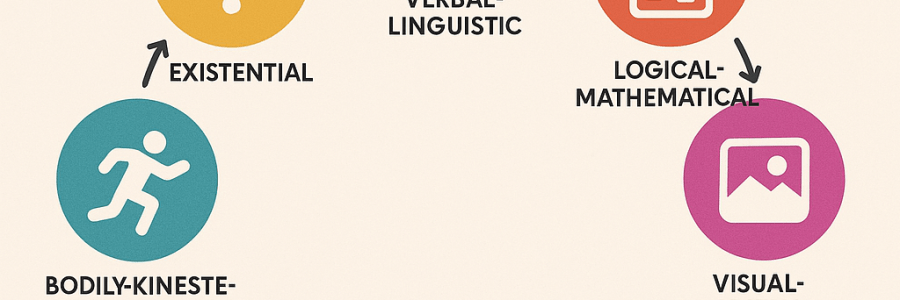
Personality psychology is an academic field within psychology that investigates the enduring patterns of thought, emotion, and behavior that define individuals. It seeks to explain how personalities develop, how they differ among people, and how they influence human experience and interaction. The field blends theory, empirical research, and applied practice in understanding human individuality. Key… Read More Personality Psychology

“Staying in the Sacred”

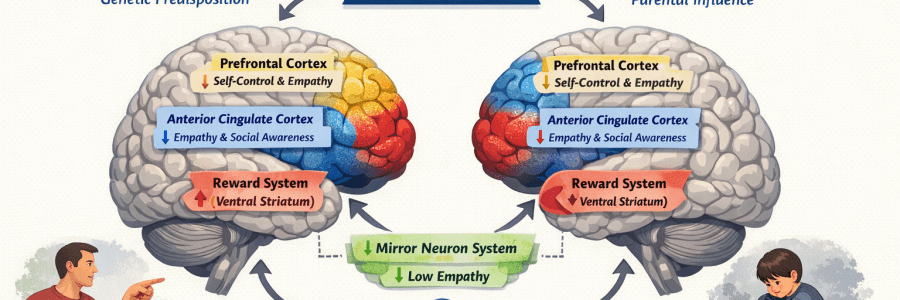
The concept of “staying in the sacred” by protecting one’s personal truth and emotional boundaries aligns deeply with principles in neuroscience and psychology regarding self-identity, emotional regulation, and interpersonal relationships. Understanding how the brain processes truth, healing, and boundaries can illuminate why safeguarding your inner narrative is crucial for mental and emotional well-being. The Neuroscience… Read More “Staying in the Sacred”

When “Connection” Drains You: What Neuroscience and Psychology Reveal About Inauthentic Relationships

Feeling emotionally drained rather than grounded after interacting with someone often signals a deeper truth your nervous system is trying to communicate. Neuroscience and psychology explain why certain relationships, despite seeming genuine on the surface, leave you unsettled and exhausted. Understanding this dynamic can help you protect your well-being and cultivate authentic connections. The Nervous… Read More When “Connection” Drains You: What Neuroscience and Psychology Reveal About Inauthentic Relationships

The Neuroscience of Social Interaction and Time Investment

The concept of time as a precious resource is deeply rooted in both neuroscience and psychology, emphasizing the importance of how we choose to spend it—especially in social interactions. Engaging with people who uplift us rather than confuse or manipulate us has profound effects on our mental well-being, cognitive function, and emotional health. The Neuroscience… Read More The Neuroscience of Social Interaction and Time Investment

Sadism

Sadism isn’t just “being mean” or “cold.” Clinically and psychologically, it refers to a pattern where a person derives pleasure, satisfaction, or a sense of control from causing others discomfort, humiliation, or suffering. It exists on a spectrum—most people don’t meet any clinical threshold, but some traits can show up in everyday behaviour in milder… Read More Sadism