To the Ones Who Stand Beside You: The Neuroscience of Support, Healing, and Why Human Connection Saves Us
When life breaks us—through trauma, abuse, grief, loss, or illness—something extraordinary happens.
We discover who stands beside us.
Not the people who appear when life is easy.
Not the ones who like the polished version of us.
But the ones who stay when we are raw, grieving, angry, confused, or rebuilding.
The people who sit with us in silence.
Who answer the phone.
Who remind us to eat.
Who help us believe in ourselves when we cannot.
To those people—thank you.
Because neuroscience tells us something profound:
Human connection doesn’t just comfort us. It helps heal us.
The brain was built for connection
Humans are not designed to heal in isolation.
Social Baseline Theory suggests that our brains evolved expecting support from others. In simple terms, your nervous system assumes you will not face danger alone.
That means when trusted people stand beside you, your brain literally uses less energy to cope with stress.
You feel safer.
You think more clearly.
Your body relaxes.
This is not weakness.
It is biology.
Trauma changes the brain—but safety changes it back
Trauma activates the brain’s alarm system, especially the Amygdala.
The amygdala scans constantly for danger:
Is this safe?
Can I trust this?
Am I about to be hurt again?
After abuse or trauma, it often becomes overactive.
That is why survivors may:
- overthink,
- struggle to trust,
- feel hyper-alert,
- expect abandonment,
- or react strongly to small triggers.
Their brain is not “broken.”
It is protecting them.
But healing happens when safety is repeated.
A calm voice.
A consistent friend.
A reliable partner.
A therapist who listens.
A loved one who stays.
Over time, the Neuroplasticity allows the brain to change.
It learns:
Maybe not everyone leaves.
Maybe not everyone harms me.
Maybe I am safe now.
That is healing.
Co-regulation: borrowing someone else’s calm
One of the most powerful ideas in trauma science is Co-regulation.
This means your nervous system can “borrow” calm from another person.
Have you noticed how:
- one reassuring hug can reduce panic,
- a trusted voice can slow your breathing,
- someone holding your hand can stop the spiral?
That is not imagination.
Your body responds through the Vagus Nerve, which helps regulate heart rate, breathing, and emotional state.
Safe people literally help your body feel safe.
Oxytocin: the chemistry of trust
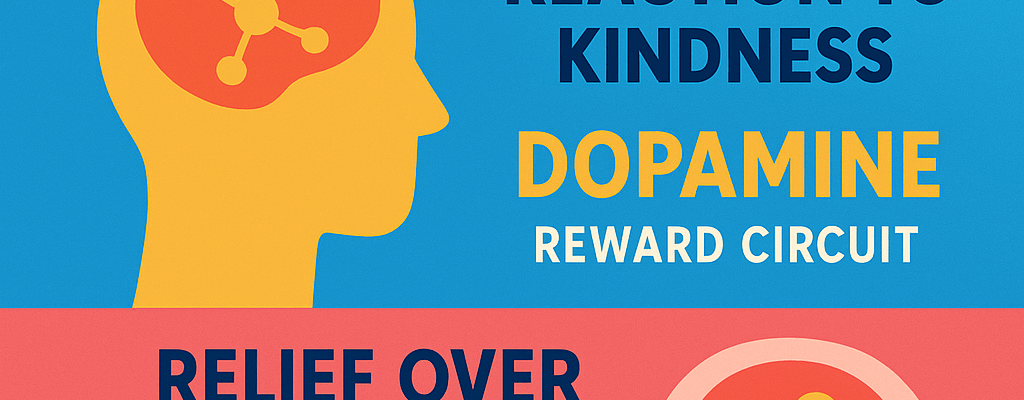
When someone supports us consistently, the brain releases Oxytocin.
Oxytocin:
- lowers stress,
- reduces fear,
- increases feelings of safety,
- strengthens emotional bonding.
This is why kindness matters.
Not because it is sentimental—
because it is neurological.
To the ones who stand beside us
To the friend who checked in.
To the daughter who said, “Listen to me.”
To the therapist who held space.
To the family member who never gave up.
To the person who simply stayed.
You may never fully know what your presence did.
You helped regulate a nervous system.
You helped repair trust.
You helped rebuild a life.
You became evidence that not all people hurt.
And sometimes—
that is the beginning of everything.
For those still healing
If you are rebuilding after trauma:
look for the people who bring calm, not chaos.
The nervous system knows.
It knows who exhausts you.
It knows who feels unsafe.
It knows who helps you exhale.
Choose the people who let your shoulders drop.
Those are your people.
Those are the ones to keep.
Because healing is not always done alone.
Sometimes it happens because someone stood beside you long enough for your brain to believe in safety again.

