Why Safety, Structure, and Support Systems Matter

Neuroscience, Psychology, and the Human Need for Security Safety is not an abstract concept—it is a lived, structured reality built over time. I am staying where I am safe. I have: This is not uncertainty. This is a structured safety system. The Neuroscience of Safety From a neuroscience perspective, the brain prioritises perceived safety above almost… Read More Why Safety, Structure, and Support Systems Matter

Control, Distance, and Indirect Power Dynamics

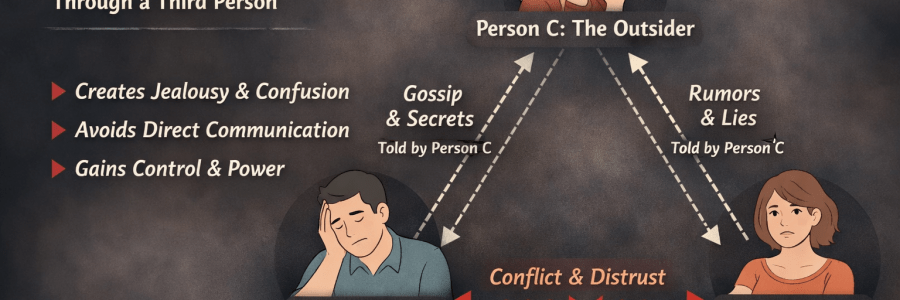
A Neuroscience and Psychology Perspective on Behaviour Beyond Separation Abusive or controlling dynamics do not always end when physical distance increases or legal boundaries are introduced. In many cases, the pattern of behaviour simply adapts. When direct control is no longer possible, it often shifts into indirect forms. The Need to Maintain Control From a… Read More Control, Distance, and Indirect Power Dynamics

Control, Resistance, and Behavioural Patterns in Conflict

Neuroscience and Psychology of Power, Persistence, and Perceived Control Abusive or controlling dynamics are not only expressed directly between individuals. They can also extend through systems, communication, and indirect pressure—long after physical separation or legal boundaries exist. When control cannot be maintained in one way, it often shifts into another. The Need to Maintain Control… Read More Control, Resistance, and Behavioural Patterns in Conflict

When Someone Stays in a Place They Say They Dislike

Neuroscience, Psychology, and Control-Based Behaviour He hates the climate.He hates the food.He dislikes the people.He struggles with the crowds in summer. Even his sister has said she does not think he will stay. So the question naturally becomes: Why does he stay? Why, indeed? When Words and Behaviour Do Not Match From a psychological perspective,… Read More When Someone Stays in a Place They Say They Dislike

Why Victims Should Not Have to Keep Proving the Truth

The Neuroscience and Psychology of Denial It should not be necessary to repeatedly present court orders, DASH risk assessments, psychological reports, medical evidence, witness statements, and legal outcomes just to be believed. When there is documented evidence—when professionals, courts, and specialists have already assessed the situation—the expectation should be understanding and support. Yet too often,… Read More Why Victims Should Not Have to Keep Proving the Truth