Intensity triggers the brain’s fear system

In the early stage of a relationship it is very common for someone to feel a strong connection and then suddenly pull back. Psychology and neuroscience show several reasons why this happens. 1. Intensity triggers the brain’s fear system At the beginning of attraction, the brain releases dopamine, oxytocin, and adrenaline. These chemicals create excitement, passion, and the… Read More Intensity triggers the brain’s fear system

The healthy balance

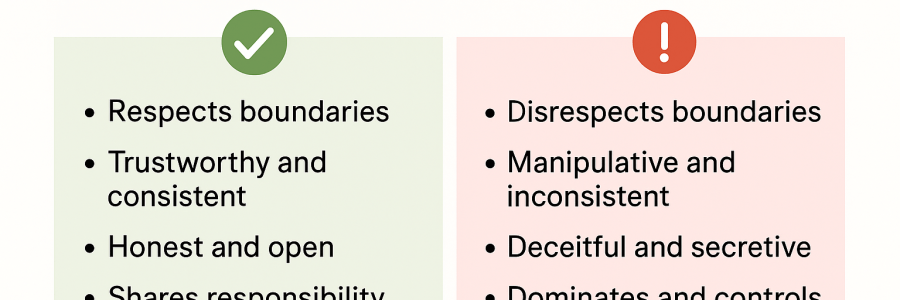
Here are 5 subtle signs someone may have weak or unhealthy boundaries in relationships, based on findings in relationship psychology and behavioural neuroscience. 1. Difficulty saying “no” One of the clearest signs of weak boundaries is the inability to refuse requests. People with this pattern often: Psychologists link this behaviour to a strong need for approval. The… Read More The healthy balance

The Energy We Give Is Often the Energy We Receive

In relationships, human behaviour often works like a mirror. What we project outward frequently comes back to us in similar form. If we communicate with warmth, openness and respect, those qualities tend to invite the same response. But when we project coldness, distance or hostility, it is not surprising when the response we receive feels… Read More The Energy We Give Is Often the Energy We Receive

Gratitude and support 

That sense of gratitude and support is incredibly powerful for healing, and both neuroscience and psychology show why having male and female friends along with family can make such a profound difference. 1. Social Support Reduces Stress Neuroscience: Psychology: 2. Different Perspectives Promote Emotional Balance Psychologically, this diversity of social input helps survivors rebuild identity and trust in relationships, showing that not all… Read More Gratitude and support 

Social Connection and Healthy Relationships

Recovering from long-term abuse is a deeply challenging process because the brain and nervous system have adapted to constant stress, threat, and control. Neuroscience and psychology highlight several key needs for survivors to heal effectively. These needs target retraining the nervous system, rebuilding self-esteem, and restoring emotional safety. Here’s a comprehensive overview: 1. Safety and Stabilization Neuroscience: Chronic abuse keeps the brain… Read More Social Connection and Healthy Relationships

Why Some Abusive Personalities Deteriorate With Age

Research in Psychology and Neuroscience shows that some abusive or highly narcissistic personalities often become more rigid, angry, and unhappy as they grow older. This pattern is often associated with traits linked to Narcissistic Personality Disorder, though not every abusive person has the disorder. The reason has a lot to do with how their identity and emotional regulation are structured. Why Some… Read More Why Some Abusive Personalities Deteriorate With Age