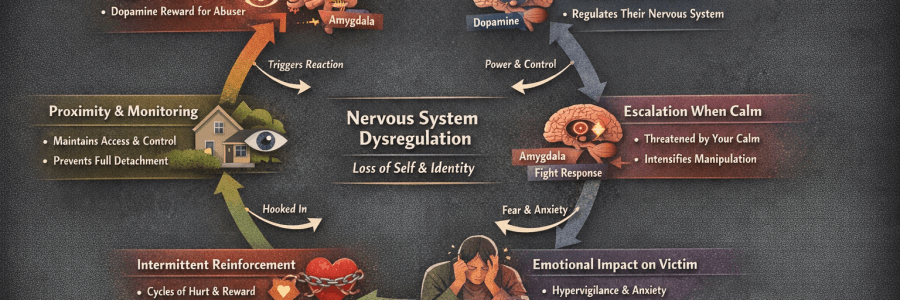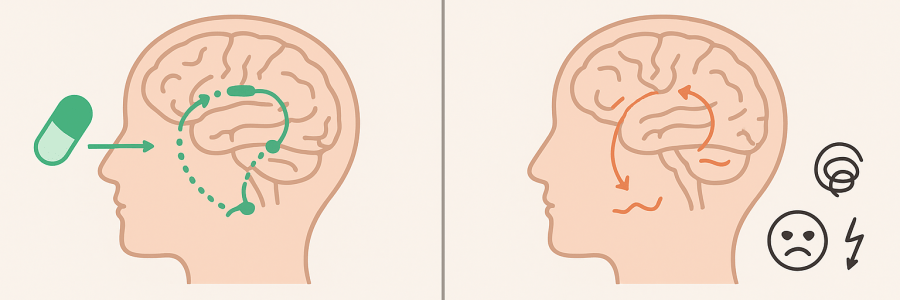
The Neuroscience of Redemption and Repair — For the Abused

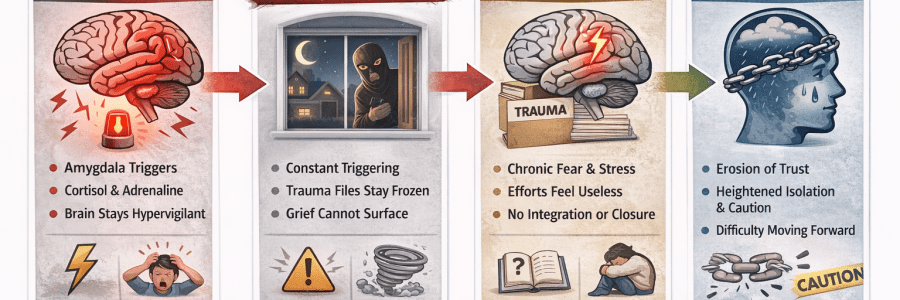
When the truth finally surfaces and the mask of manipulation falls, the person who endured years — sometimes decades — of deceit and emotional abuse enters one of the most complex psychological phases: recovery. It’s not just emotional. It’s neurological.Your brain, after long exposure to manipulation, control, or fear, must literally rewire itself back to safety and… Read More The Neuroscience of Redemption and Repair — For the Abused

The Psychology of Exposure: When Manipulation Meets Its Reckoning

For someone who has lived a lifetime of control, deceit, and manipulation, exposure is not just a social or legal event — it’s a psychological collapse. When the mask slips, the brain and body react as if under mortal threat, because in many ways, the identity built on lies begins to die. 🧠 The Neuroscience of Being Found Out When… Read More The Psychology of Exposure: When Manipulation Meets Its Reckoning

Collusive Collapse: When Shared Deception Implodes

When deceit is shared — within a family, business, or social group — it forms a psychological ecosystem built on mutual protection, silence, and denial. Everyone involved plays a role, consciously or not, in maintaining the illusion. But when even one thread is pulled, the entire structure begins to unravel. 🧩 The Psychology of CollusionAt… Read More Collusive Collapse: When Shared Deception Implodes

When the Lies Catch Up: The Neuroscience of a Life Built on Deception

For years, some people manage to live in a world of manipulation — lying, cheating, plotting — without apparent consequence. But the human brain is not designed to sustain deception forever. Eventually, the mind, the body, and reality itself begin to close in. 🧠 The Neuroscience: Stress, Fear, and ExposureChronic deceit activates the brain’s amygdala and prefrontal cortex,… Read More When the Lies Catch Up: The Neuroscience of a Life Built on Deception

Being the “Easy-Going One”: The Neuroscience of Over-Tolerating Bad Behavior

People often say, “You’re so understanding,” “You’re easy-going,” or “Nothing seems to bother you.”But sometimes, that calm exterior isn’t peace — it’s over-tolerance, a nervous system trained to keep the peace even when you’re hurting. 🧠 The Brain Behind Being “Laid-Back” When you grow up or live in environments where conflict feels unsafe, your brain learns to minimize tension to stay protected. This… Read More Being the “Easy-Going One”: The Neuroscience of Over-Tolerating Bad Behavior

🧠 The Neuroscience of Emotional Awareness

You’re Not “Too Much”: The Neuroscience of Emotional Depth and Connection Many women are told they’re “too emotional” or “too intense” when, in reality, they’re simply emotionally aware and capable of genuine connection. When someone accuses you of being “too much,” what they often mean is: “I can’t meet you at the level of emotional depth you require.” 🧠 The… Read More 🧠 The Neuroscience of Emotional Awareness

WOKE

When someone calls you “woke”, the meaning can change depending on who says it and how they mean it — because the term has evolved a lot over time. Here’s a breakdown: 🌱 Original meaning (positive) ⚖️ Modern use (mixed or political) 🔥 Criticism and sarcasm (negative use) 🧠 Psychological and cultural perspective Being called “woke” today reflects a culture clash: Essentially, it’s no longer… Read More WOKE

🌿 No Games, No Silence — Just Genuine Connection

The Neuroscience of Being with Someone Who Truly Wants to Be There There’s something deeply refreshing about spending time with someone who genuinely wants to be with you — no guessing, no mixed signals, no games. They don’t disappear to create control, or stay silent to create doubt. They show up. They’re present. And your… Read More 🌿 No Games, No Silence — Just Genuine Connection