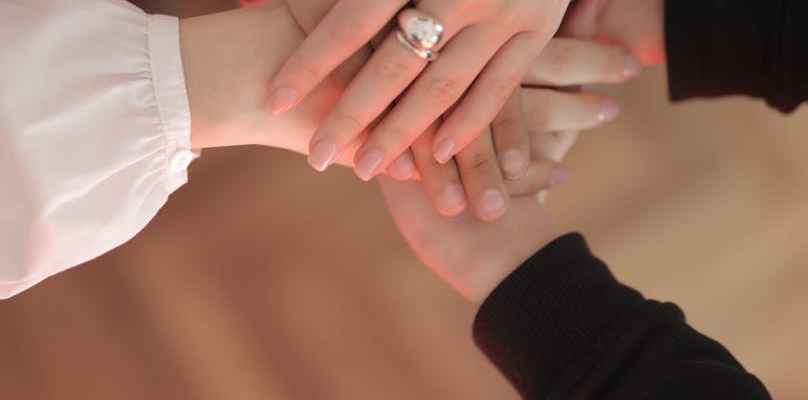
Supporting someone after an abusive or controlling relationship is not about having all the answers.
It is about creating an environment where they can feel safe, respected and free to rebuild their confidence at their own pace.
Small, consistent acts of kindness often make a greater difference than dramatic gestures.
What to Do
✓ Listen without judgement
Allow them to tell their story in their own time. Listen to understand, not to investigate.
✓ Believe their experience
Many survivors have spent years being doubted, dismissed or told they were imagining things. Simply saying, “I believe you,” can be profoundly reassuring.
✓ Be patient
Recovery is rarely a straight line. There will be good days, difficult days and moments of self-doubt.
✓ Be reliable
Keep your promises. Arrive when you say you will. Consistency helps rebuild trust.
✓ Encourage independence
Support them in making their own decisions rather than making decisions for them.
✓ Respect their boundaries
Ask before offering physical comfort. Accept if they say no. Respect their need for space or quiet.
✓ Offer practical help
Sometimes practical support—such as helping with shopping, transport, paperwork or childcare—can reduce overwhelming stress.
✓ Encourage healthy routines
Regular meals, sleep, gentle exercise and time outdoors can all support recovery.
✓ Celebrate progress
Recognise achievements, no matter how small. Healing often happens through many small steps.
✓ Let them rediscover themselves
Encourage hobbies, friendships, interests and goals that help rebuild their sense of identity.
✓ Stay calm
Your calm presence can provide reassurance during moments of anxiety or distress.
✓ Accept that healing takes time
There is no deadline for recovery. Every person’s journey is different.
What Not to Do
✗ Don’t say, “Why didn’t you leave sooner?”
Leaving an abusive relationship is often complicated by fear, financial dependence, emotional attachment, children or concerns about safety.
✗ Don’t pressure them to “move on”
Healing cannot be rushed. Pushing someone to get over what happened may leave them feeling misunderstood.
✗ Don’t minimise their experience
Avoid comments such as:
- “It couldn’t have been that bad.”
- “At least they never hit you.”
- “Everyone argues.”
These statements can deepen feelings of isolation.
✗ Don’t take control
After living with coercive control, survivors need opportunities to make their own choices. Support their decisions rather than replacing one controlling voice with another.
✗ Don’t constantly criticise the abusive partner
While it may seem helpful, relentless criticism can sometimes make survivors feel defensive or ashamed, especially if they still have mixed emotions about the relationship.
✗ Don’t expect gratitude
Support should be freely given, not something that creates a sense of obligation.
✗ Don’t dismiss setbacks
Periods of sadness, fear or uncertainty do not mean recovery has failed. They are often part of the healing process.
✗ Don’t make promises you cannot keep
Reliability is more valuable than grand promises.
✗ Don’t compare their recovery with someone else’s
Every survivor’s experience, circumstances and healing journey are unique.
✗ Don’t expect them to become the person they were before
Recovery is not about returning to the past. It is about building a future where they feel safe, confident and free to be themselves.
Remember
People recovering from abuse often need the very things that were missing in the relationship:
- Safety instead of fear.
- Respect instead of criticism.
- Patience instead of pressure.
- Honesty instead of manipulation.
- Consistency instead of unpredictability.
- Choice instead of control.
- Compassion instead of judgement.
You do not have to be perfect to help someone heal.
You simply need to offer what abuse denied them: a relationship built on trust, kindness, respect and emotional safety.
Sometimes the most powerful message you can give a survivor is not through words at all. It is through your actions—showing, day after day, that healthy relationships are calm, dependable and free from fear.


