“Love bombing” is a term now widely used to describe a pattern of overwhelming affection, attention, admiration, and emotional intensity early in a relationship.
While the phrase itself is often used casually online, psychology and relationship research do recognise patterns of manipulative idealisation and devaluation that can occur in unhealthy or coercive dynamics.
In the beginning, the experience can feel extraordinary.
The person may:
- communicate constantly
- shower someone with compliments and affection
- talk about destiny, soulmates, or “perfect connection” very quickly
- accelerate emotional or sexual intimacy
- mirror interests and values intensely
- create a feeling of being uniquely understood
- or make the relationship feel unusually intense and consuming very early on
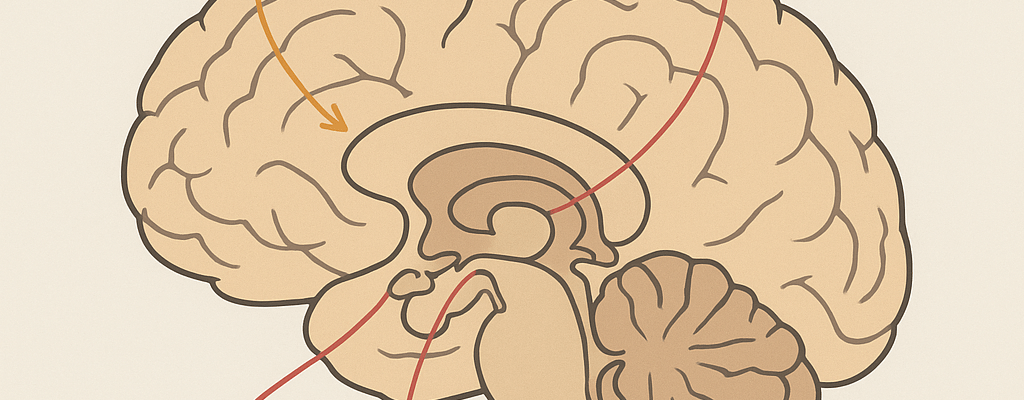
Neuroscience helps explain why this can feel so powerful.
Intense romantic attention activates reward and attachment systems in the brain involving dopamine, oxytocin, adrenaline, and emotional reinforcement pathways. The nervous system can become highly activated, creating feelings of:
- excitement
- emotional certainty
- euphoria
- obsession
- anticipation
- and rapid attachment
This does not automatically mean manipulation is occurring. Genuine chemistry and strong attraction can happen naturally between emotionally open people.
The key issue is what happens next.
In manipulative idealisation–devaluation cycles, the intense affection phase is often followed by:
- withdrawal
- criticism
- emotional inconsistency
- confusion
- unpredictability
- blame shifting
- reduced empathy
- intermittent reinforcement
- or emotional distancing once attachment has formed
The contrast between intense closeness and later coldness can create a psychologically destabilising effect. The brain becomes focused on regaining the original emotional high, often causing people to work harder for approval, affection, or emotional stability.
Research into coercive control and emotionally manipulative relationships shows that intermittent reinforcement — unpredictable cycles of reward and withdrawal — can strengthen emotional dependency and attachment bonds.
This is one reason people often say:
“I kept chasing the person they were at the beginning.”
Importantly, not every intense romance is unhealthy.
Some relationships genuinely begin with strong chemistry and emotional excitement while still developing into stable, respectful partnerships.
The difference usually becomes visible over time.
Healthy relationships gradually move toward:
- emotional consistency
- mutual respect
- accountability
- stable communication
- safety
- and balanced independence
Manipulative dynamics often move toward:
- confusion
- imbalance
- dependency
- emotional instability
- walking on eggshells
- and loss of self-trust
One of the most protective things a person can do is slow the pace of emotional attachment enough to observe consistency.
Because attraction can be immediate.
But emotional safety reveals itself slowly.

