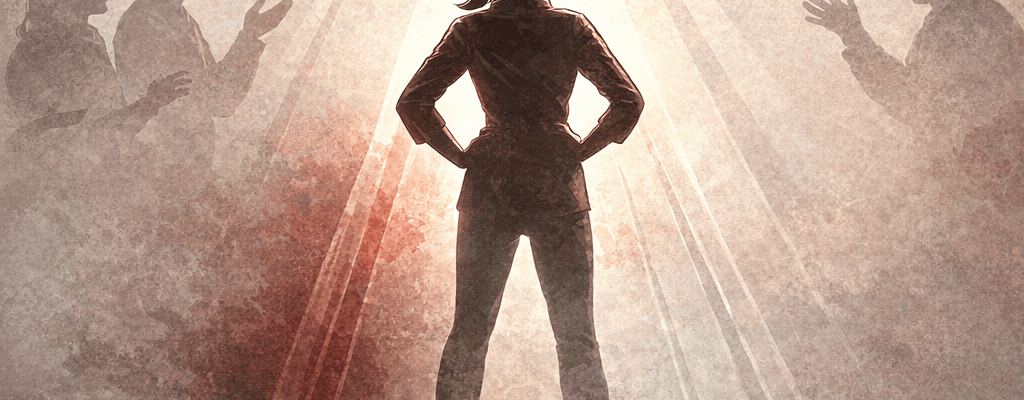
One of the biggest misconceptions people have about abusive or coercive relationships is that once the relationship ends, the danger automatically disappears.
Unfortunately, psychology, neuroscience, and real-life experience often tell a very different story.
For many people, separation and divorce are not the end of emotional pressure, intimidation, control, or fear. In fact, research consistently shows that periods of transition — separation, moving home, legal proceedings, financial division, and rebuilding independence — can sometimes become the most psychologically vulnerable stages of all.
That is why protection and support systems matter.
And more importantly:
protection does not suddenly become unnecessary simply because a marriage certificate no longer exists.
Safety is not about marital status.
Safety is about wellbeing, stability, and reducing risk.
For people recovering from long-term emotional stress, coercive dynamics, or abusive relationships, the nervous system often remains on high alert long after the relationship itself has ended.
Neuroscience explains this clearly.
When someone has lived for years in an unpredictable emotional environment, the brain becomes conditioned to anticipate threat:
- scanning tone of voice
- analysing behaviour
- monitoring reactions
- preparing for conflict before it happens
Over time, hypervigilance becomes survival.
This does not disappear the moment divorce papers are signed.
Healing takes time.
Safety takes consistency.
And recovery requires more than simply “moving on.”
That is why ongoing support and protection are so important.
Knowing that the Guardia Civil continue to provide protection after divorce offers something many survivors have not felt for a very long time:
Security.
Not dependence.
Not weakness.
Security.
The reassurance that your safety still matters even after the relationship officially ends.
Because true recovery is not just about leaving a relationship.
It is about rebuilding a life where fear no longer controls your nervous system, your decisions, your sleep, your home, or your future.
And that process deserves protection too.
Perhaps one of the most important messages survivors need to hear is this:
You do not have to prove you are “strong enough” by navigating everything alone.
Protection is not punishment.
Support is not failure.
And continuing safeguards after divorce are not about living in fear —
they are about creating the conditions in which healing finally becomes possible.

