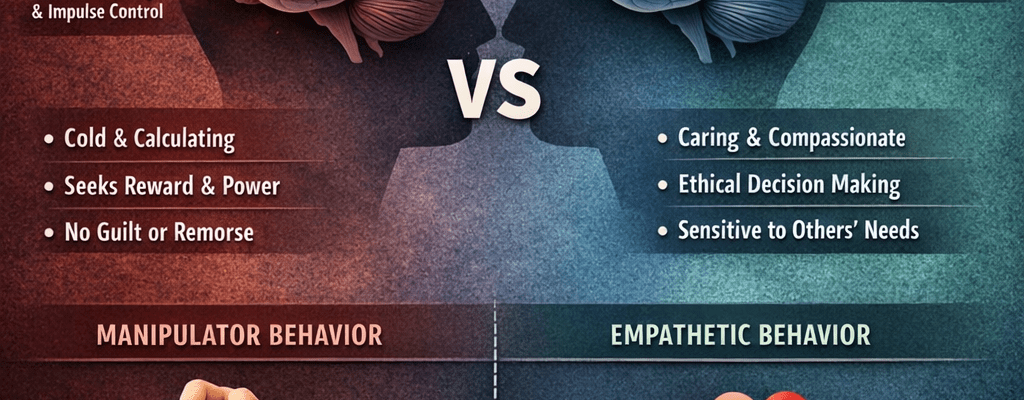
After an abusive long-term relationship ends, many people notice a striking contrast over time: the survivor gradually becomes stronger and more peaceful, while the abusive partner often becomes more bitter, chaotic, or unstable.
Research in Psychology and Neuroscience helps explain why these two paths can diverge so dramatically.
1. The Survivor’s Brain Begins Healing
Once the abusive environment is gone, the nervous system is no longer constantly under threat.
During the relationship the brain was often operating in survival mode:
- elevated cortisol (stress hormone)
- hyperactive amygdala (threat detection)
- emotional suppression to avoid conflict
When safety returns, the brain gradually restores balance.
This allows:
- clearer thinking
- emotional processing
- rebuilding self-trust
Over time, the prefrontal cortex (the rational, reflective part of the brain) becomes more active again. This helps people make calmer decisions and build healthier relationships.
2. The Abuser Loses Their Regulation System
In many abusive dynamics, the controlling partner relied on dominating the other person to regulate their own emotions.
Control gave them:
- a sense of power
- relief from insecurity
- validation of their identity
When the partner leaves, that psychological system collapses.
Without someone to dominate or blame, unresolved issues inside the abuser become much harder to manage.
This can lead to:
- escalating anger
- obsessive legal or financial battles
- bitterness or fixation on the past
3. Survivors Process Reality — Abusers Often Avoid It
Healing requires facing the truth of what happened.
Survivors often work through:
- grief
- anger
- reflection
- rebuilding their life story
This process is painful but ultimately leads to growth and clarity.
Abusive personalities frequently protect their ego by avoiding responsibility. Instead they may:
- rewrite history
- blame the other person
- maintain a victim narrative
Psychologically this prevents growth because the brain never integrates the experience honestly.
4. Social and Emotional Isolation
Over time, controlling behaviour often pushes people away.
Friends, family, and even new partners may eventually see patterns of:
- manipulation
- hostility
- lack of empathy
As a result, some abusive individuals experience increasing isolation as they age.
Meanwhile survivors who rebuild their lives often attract healthier connections, because they develop stronger boundaries and emotional insight.
5. Post-Traumatic Growth vs. Psychological Stagnation
A key concept in Post‑Traumatic Growth is that adversity can trigger deep personal development.
Survivors frequently gain:
- emotional wisdom
- independence
- compassion
- a strong sense of self
The abusive partner, however, may remain trapped in the same patterns because change requires self-reflection and accountability.
💡 One of the most powerful observations therapists make:
Over time, the survivor often finds peace and freedom, while the person who lived through anger and control may remain trapped inside those same emotions.
The greatest victory after leaving an abusive relationship is not revenge or winning battles.
It is reclaiming your life, your calm, and your sense of self.
If you want, I can also explain something many people find fascinating:
why abusive or narcissistic personalities often become more difficult and unhappy as they grow older, from a neuroscience and psychological perspective. The research behind that is quite revealing.
 Linda C J Turner | Trauma Therapist & Emotional Healing Specialist