
Neuroscience is the scientific study of the brain, nervous system, and how they shape:
- Thoughts
- Emotions
- Behaviour
- Memory
- Trauma responses
- Attachment
- Healing
In simple terms:
Neuroscience explains why we feel, think, and react the way we do.
It helps us understand:
- Why trauma rewires the brain
- Why anxiety feels uncontrollable
- Why some people shut down, freeze, or dissociate
- Why emotional wounds can feel physical
- How healing actually happens
🧠 Key Brain Systems In Therapy

4
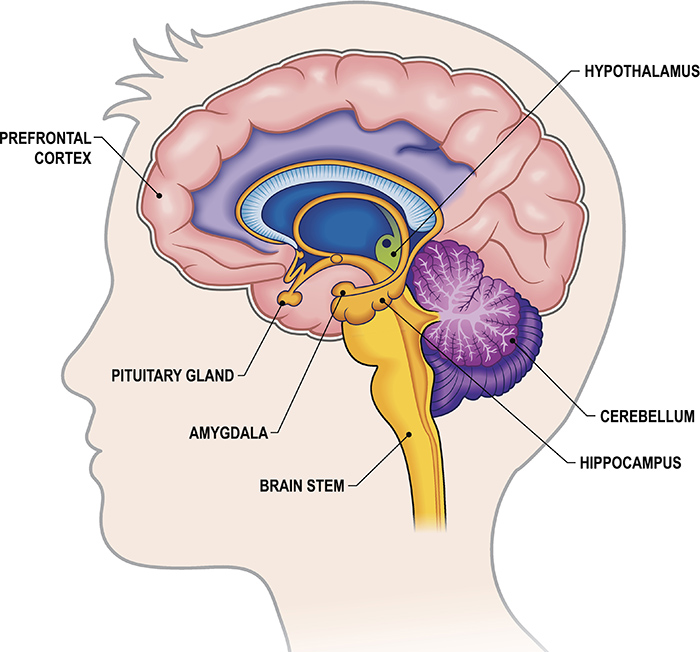
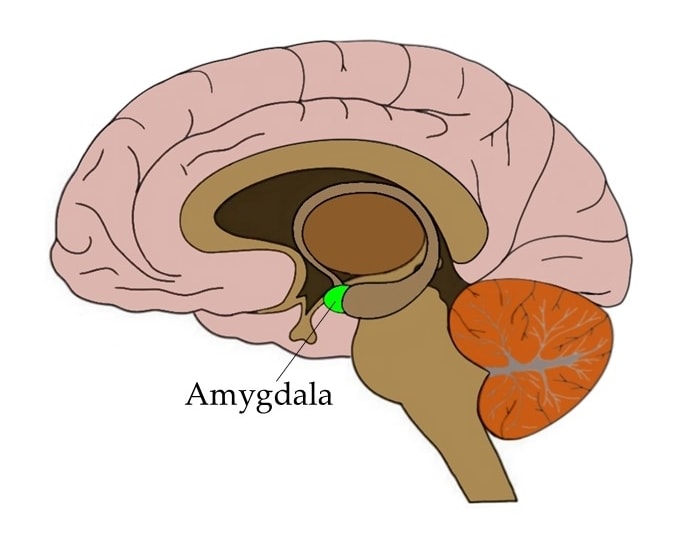
1️⃣ Amygdala – Fear & Threat Detector
- Scans constantly for danger
- Overactive in trauma, anxiety, PTSD
- Triggers fight / flight / freeze / fawn
2️⃣ Hippocampus – Memory & Meaning
- Stores emotional memories
- Trauma can fragment memory → flashbacks, triggers
3️⃣ Prefrontal Cortex – Thinking Brain
- Logic, reasoning, emotional regulation
- Goes offline under stress or trauma
4️⃣ Nervous System – Survival System
- Sympathetic = alert, anxious, stressed
- Parasympathetic = calm, safe, connected
Trauma dysregulates this balance.
🌿 How Neuroscience Is Used In Therapy
Neuroscience-based therapy focuses on regulating the nervous system and retraining the brain, not just talking.
1️⃣ Trauma Healing
- Reprocess traumatic memories
- Reduce fear-based brain activation
- Restore nervous system safety
2️⃣ Emotional Regulation
- Teach clients how to calm overwhelm
- Build safety in the body
- Reduce anxiety, panic, emotional flooding
3️⃣ Attachment Repair
- Heal childhood emotional wounds
- Repair insecure attachment styles
- Build safe, healthy relational patterns
4️⃣ Rewiring Negative Thought Loops
- Shift survival beliefs
- Build emotional resilience
- Create safer internal responses
🧬 Why Talk Therapy Alone Isn’t Always Enough
Talking happens in the thinking brain.
But trauma lives in the:
- Body
- Nervous system
- Emotional brain
That’s why people often say:
“I understand it — but I still feel stuck.”
Neuroscience-based therapy works bottom-up:
➡ Body → nervous system → emotional brain → thinking brain
This allows deep healing, not just intellectual insight.
🌱 Examples of Neuroscience-Based Therapy Tools
- Nervous system regulation
- Somatic (body-based) therapy
- EMDR
- Polyvagal-informed therapy
- Trauma-informed CBT
- Emotional intelligence training
- Mindfulness-based neuroplasticity
🧠 Neuroplasticity — The Game Changer
Neuroplasticity = the brain’s ability to change.
This means:
✨ Trauma is NOT permanent
✨ The brain can heal
✨ Emotional patterns can be rewritten
✨ New neural pathways can be formed
✨ Safety can be relearned
 Linda C J Turner | Trauma Therapist & Emotional Healing Specialist